What Is a Liquidity Sweep?
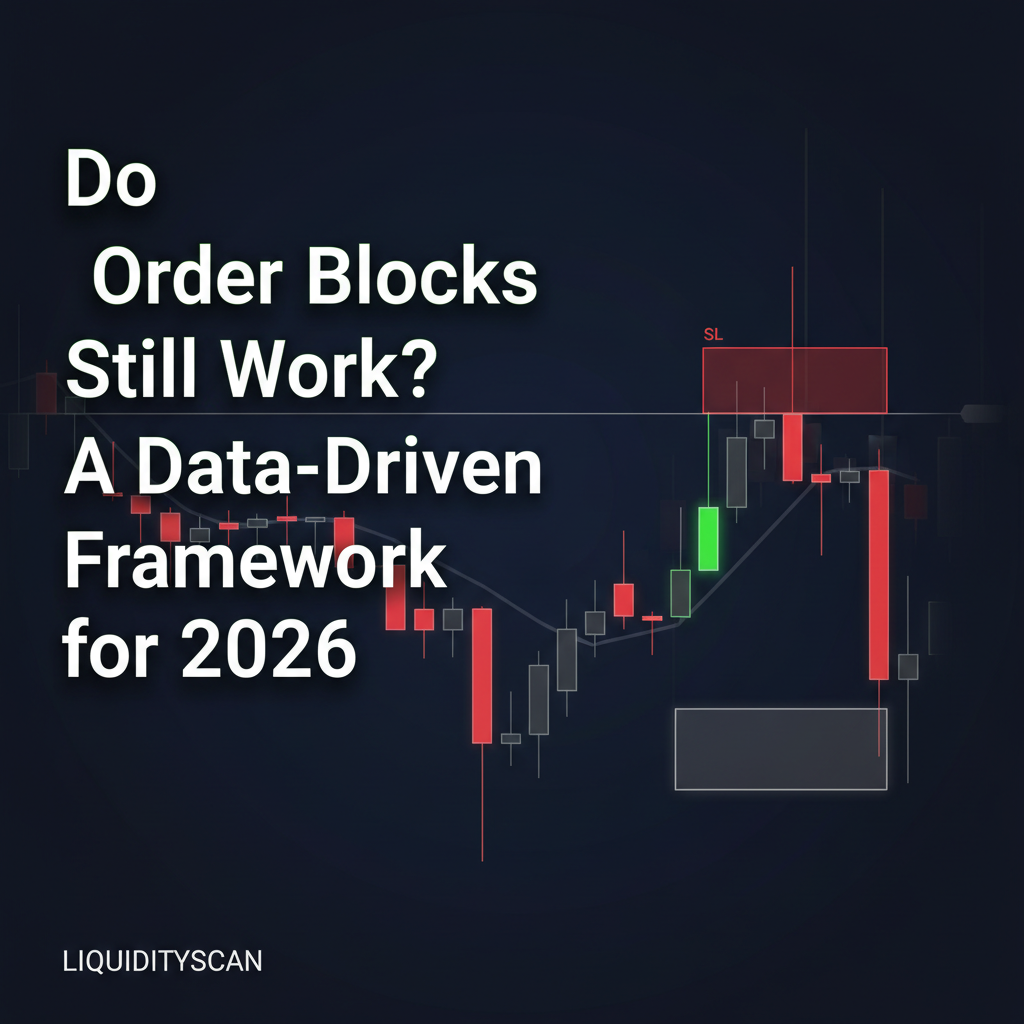
A liquidity sweep is a rapid price move that pierces a key high or low to engineer liquidity, only to immediately reverse, trapping traders before a significant move.
Think of it as the market's way of soaking up the orders parked above or below price. It snaps past a level, fills institutions with the counterparty they need, and trips the breakout crowd's stops on its way through, then turns and runs the other direction. The idea sits at the heart of Smart Money Concepts (SMC) and ICT trading.
Key Points
- Wick, Not Body: A classic liquidity sweep is defined by a candle's wick running a liquidity level, while its body fails to close beyond that level. A body closure suggests a potential break of structure, not a sweep.
- Targets Obvious Levels: Sweeps target clear pools of liquidity, such as old swing highs and lows, session highs/lows, or equal highs and lows where orders naturally accumulate.
- Fuel for Reversal: The primary purpose is to absorb a large number of orders to fuel an institutional campaign. This is often followed by an energetic move away from the swept level, known as displacement.
- Broader Than a Stop Hunt: While it includes hunting stops, a sweep also triggers pending breakout entries. This provides smart money with ample counterparty liquidity to enter large positions against the herd.
- Context is Everything: A sweep's significance is determined by its location. A sweep of a major high or low inside a premium or discount zone holds far more weight than a random wick in the middle of a range.
How to Identify a Liquidity Sweep
Spotting a sweep comes down to reading one specific sequence on a clean chart. Start by marking a clear, uncontested swing high or low on your chosen timeframe. We'll use the previous day's high on GBP/USD on the 15M chart as our reference.
Now watch for price to poke just a few pips or ticks above that level. Everything hinges on the candle's close. A valid sweep shows the wick punching through the level while the body closes back inside the previous range. That tells you the raid was a quick grab for orders, not a genuine breakout attempt.
The reaction is your final confirmation. A high-probability sweep gets answered by an immediate, aggressive move away from the level, often leaving a fair value gap (FVG) behind it. That one-two of a sweep followed by displacement is exactly the pattern our platform's CISD (Change in State of Delivery) engine scans for in real time, so you only look at the sweeps that actually produced a reaction worth trading.
Sweeps vs. Stop Hunts: A Crucial Distinction
Plenty of traders treat "liquidity sweep" and "stop hunt" as the same thing. They're not, and the slip glosses over how the event really works.
A stop hunt is narrow: it refers to triggering the cluster of stop-loss orders that algorithms know are sitting just beyond any meaningful swing point. As the educational materials from the CME Group explain, a triggered stop becomes a market order, dumping a rush of sell-side or buy-side flow that institutions are happy to absorb.
A liquidity sweep is the bigger event. It fires those stop-losses and it baits breakout traders into the market with pending buy-stop or sell-stop entry orders. Smart money sits on the other side of all of it, selling to the breakout buyers while absorbing the sell-stops from trapped longs. They're the counterparty to everyone's failure at once.
For years I just called these stop hunts. The breakthrough was realizing how much more gets swept, both the stops and the fresh entries. Once that clicked, the violence of the reversal made sense: the market has engineered failure on several fronts at the same time to fund what it actually intends to do.
The Role of Sweeps in Market Structure
A liquidity sweep isn't a random pattern. It's a working part of how the algorithm delivers price, the gear that lets the market shift between hunting external and internal range liquidity.
Picture the sequence. A sweep of external range liquidity, say last week's high, frequently comes right before a move back into the range to chase internal range liquidity like an old FVG or order block. That raid is a basic building block of the ICT market structure framework.
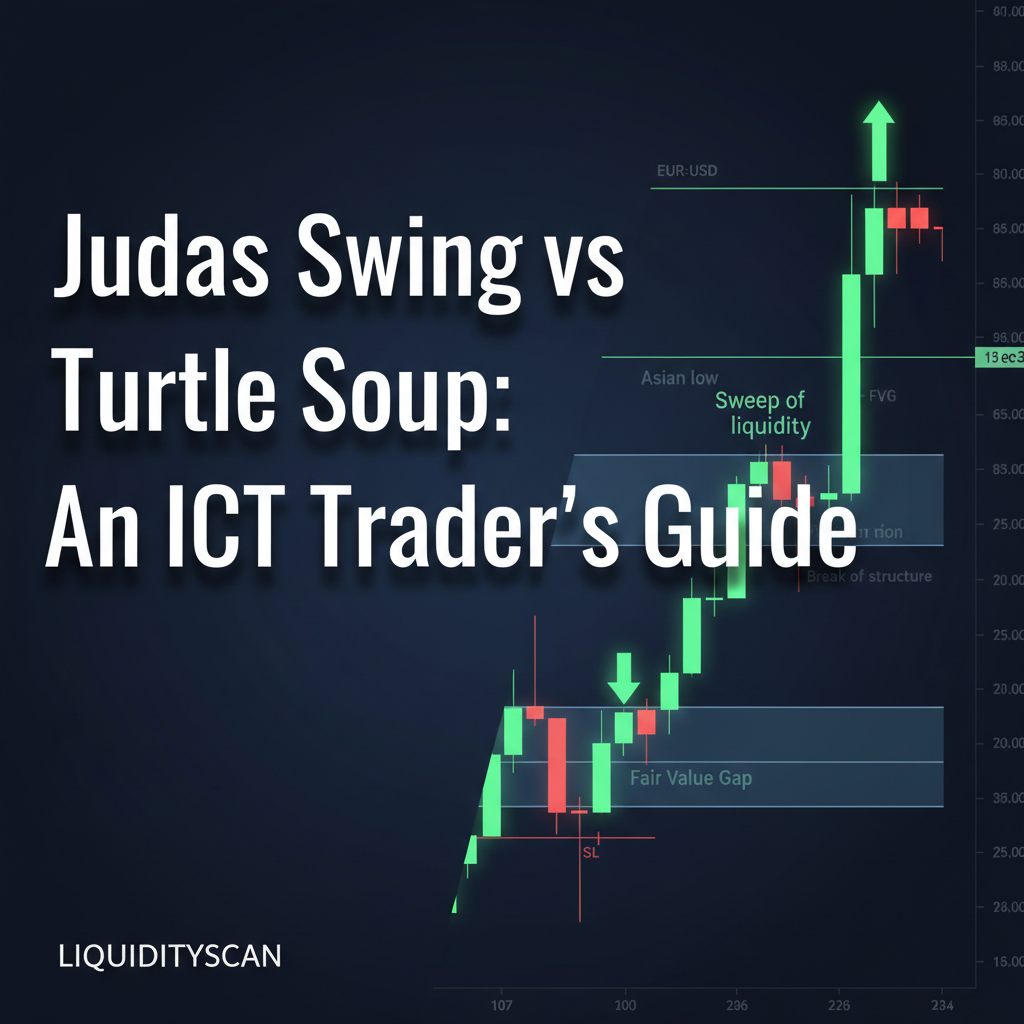
The textbook case is the Judas Swing during a London or New York kill zone. That opening move of the session often runs the high or low of the prior Asian session, sells traders on a trend that isn't there, then reverses hard to go after the day's real objective. Reading it correctly takes a solid grip on what market structure is and how liquidity pools shape the story price is telling. If you want to see how the same logic plays out session by session, our breakdown of London vs NY liquidity sweeps is a good next step.