▸ CATEGORY · LIQUIDITY
Liquidity
Articles filed under "Liquidity" — deep analysis from LiquidityScan Research.
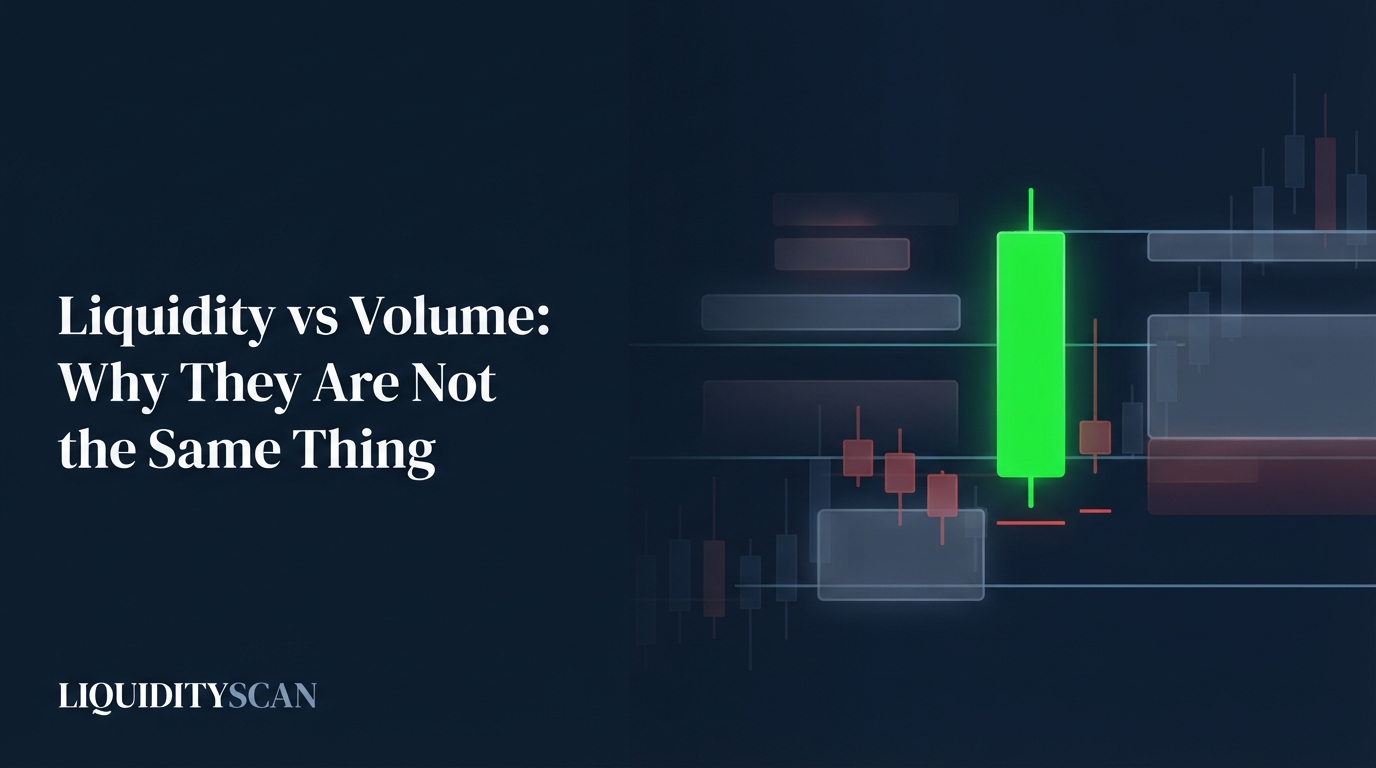
Liquidity vs Volume: Why They Are Not the Same Thing
Volume tells you how much changed hands in the past. Liquidity tells you where resting orders sit right now, waiting to be filled. Confusing the two is why traders chase moves instead of anticipating them.
 Hayk Muradian·
·10 min
Hayk Muradian·
·10 min
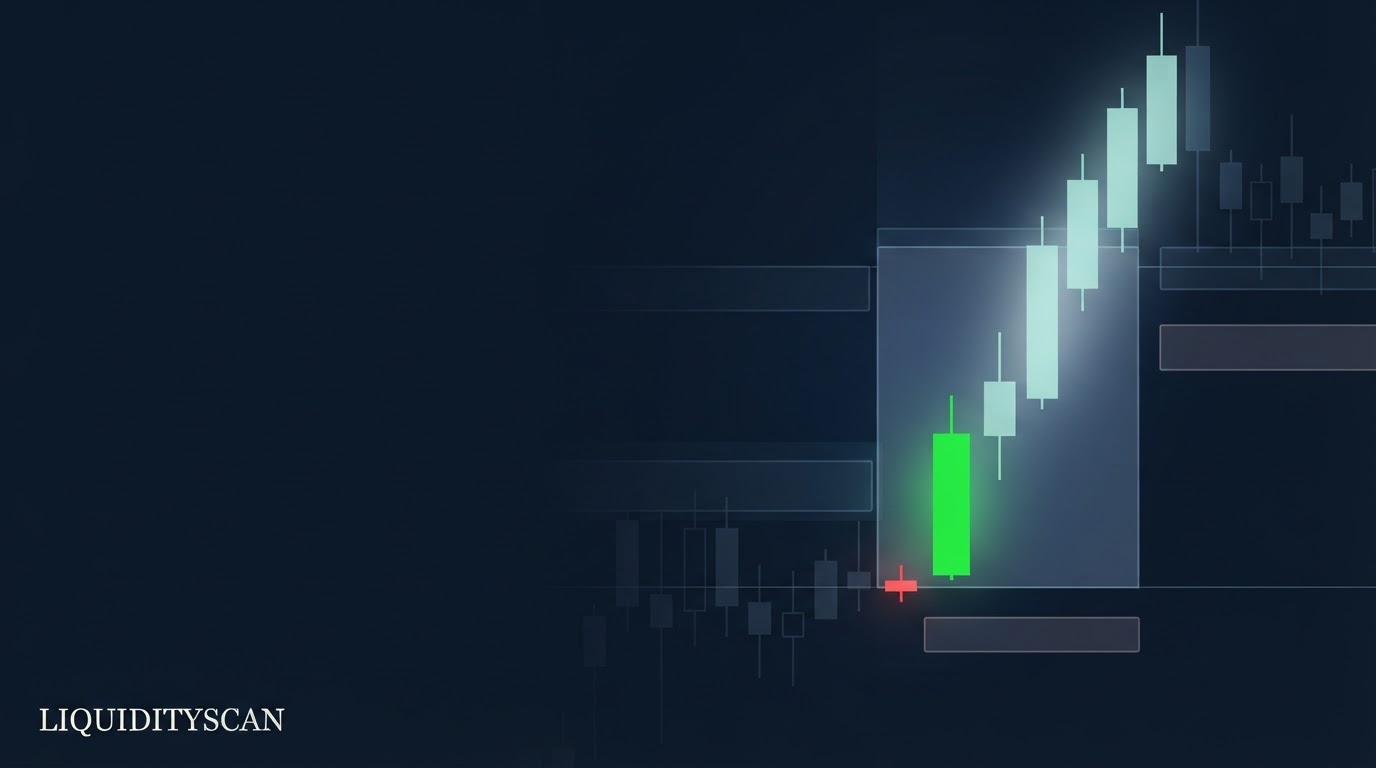
What Is a Liquidity Void and How to Trade It
A liquidity void is a stretch of price delivered in one direction with almost no opposing trade — wide bodies, tiny wicks, minimal candle overlap. Once price re-enters, it tends to traverse the whole void, which makes voids targets, not entry zones.
Hayk Muradian·
·11 min
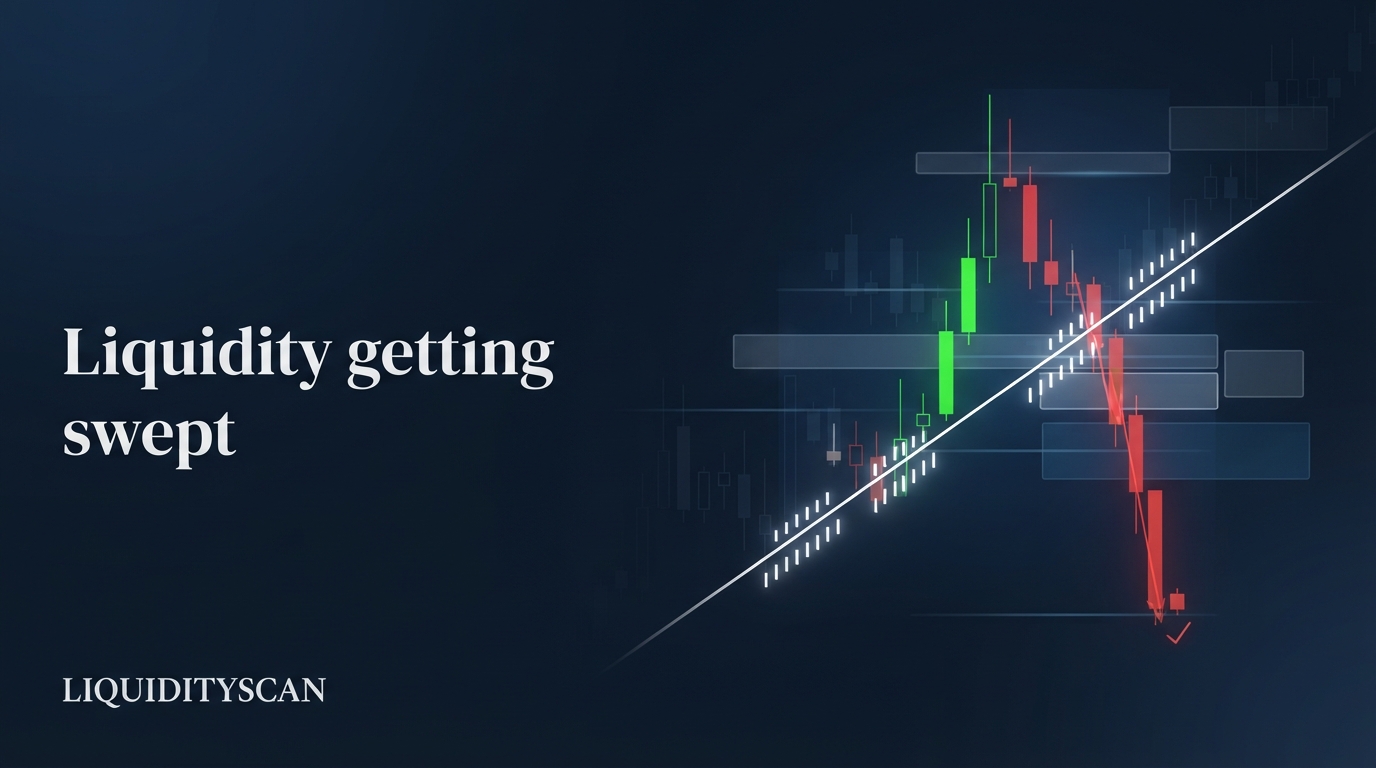
What Is Trendline Liquidity and Why It Gets Swept
Trendline liquidity is the cluster of stop-losses and breakout orders that builds along a widely watched diagonal. Every touch adds riders — and the more obvious the line, the more likely price breaks it, runs the stops into a discount array, and reverses: the classic fake breakdown.
Hayk Muradian·
·11 min
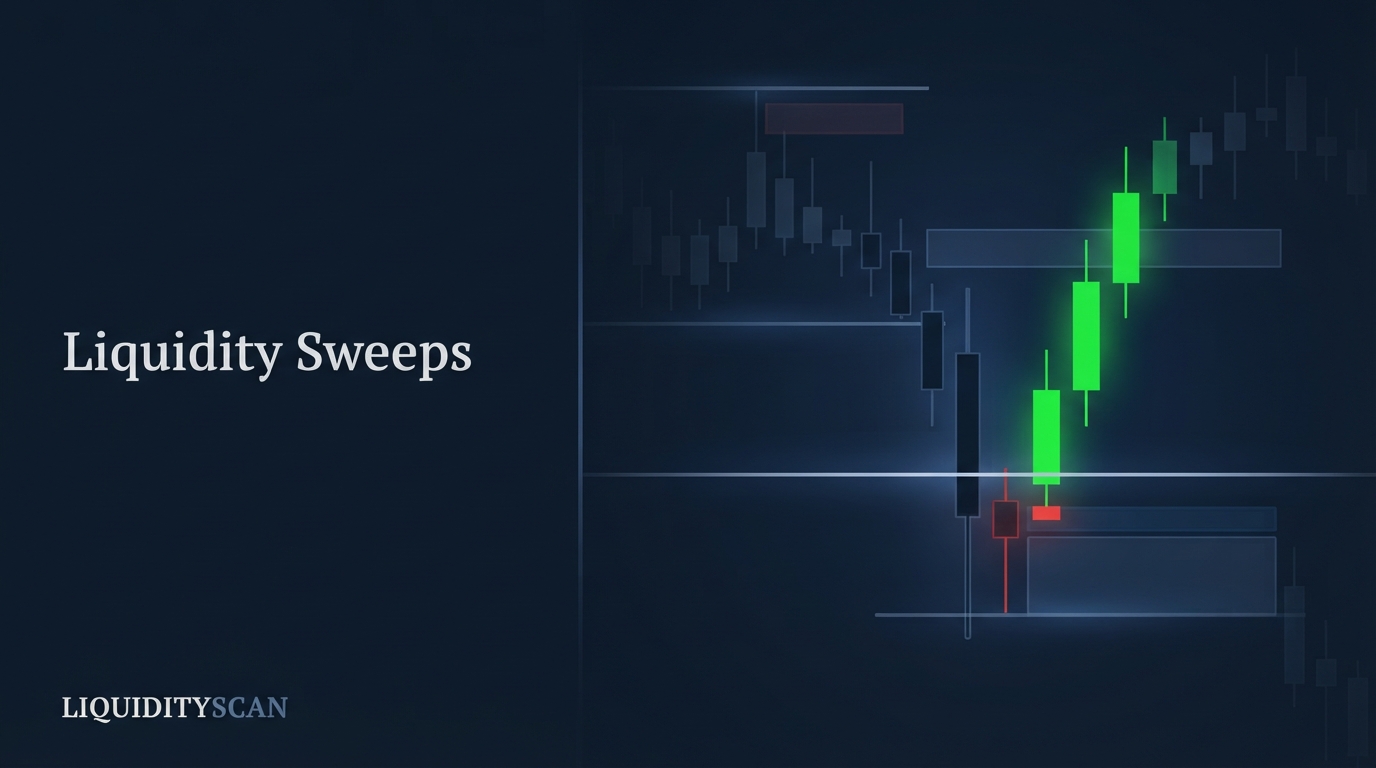
Do Liquidity Sweeps Actually Work? A Data-Driven Look
Yes — in a narrow, testable sense. Stop clustering beyond obvious highs and lows is documented market microstructure, so sweeps are real events. But positive expectancy depends entirely on pool selection, timing, and confirmation filters — which is why honest backtests disagree.
Hayk Muradian·
·11 min
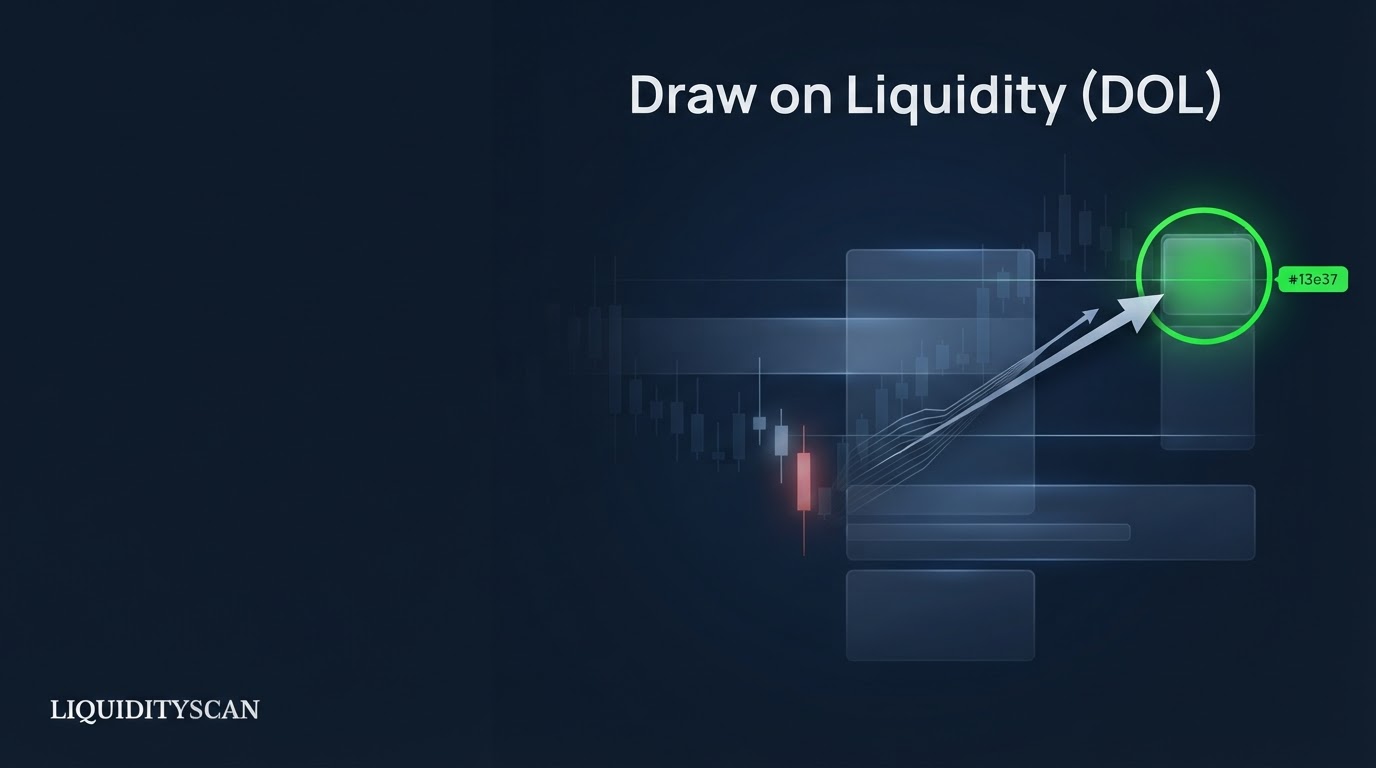
Draw on Liquidity (DOL): How to Predict the Next Target
The draw on liquidity (DOL) is the liquidity pool or inefficiency price is actively being delivered toward — the market's current magnet. Name it correctly and every expansion, sweep, and reversal starts making sense; name it wrong and no entry model can save the trade.
Hayk Muradian·
·11 min
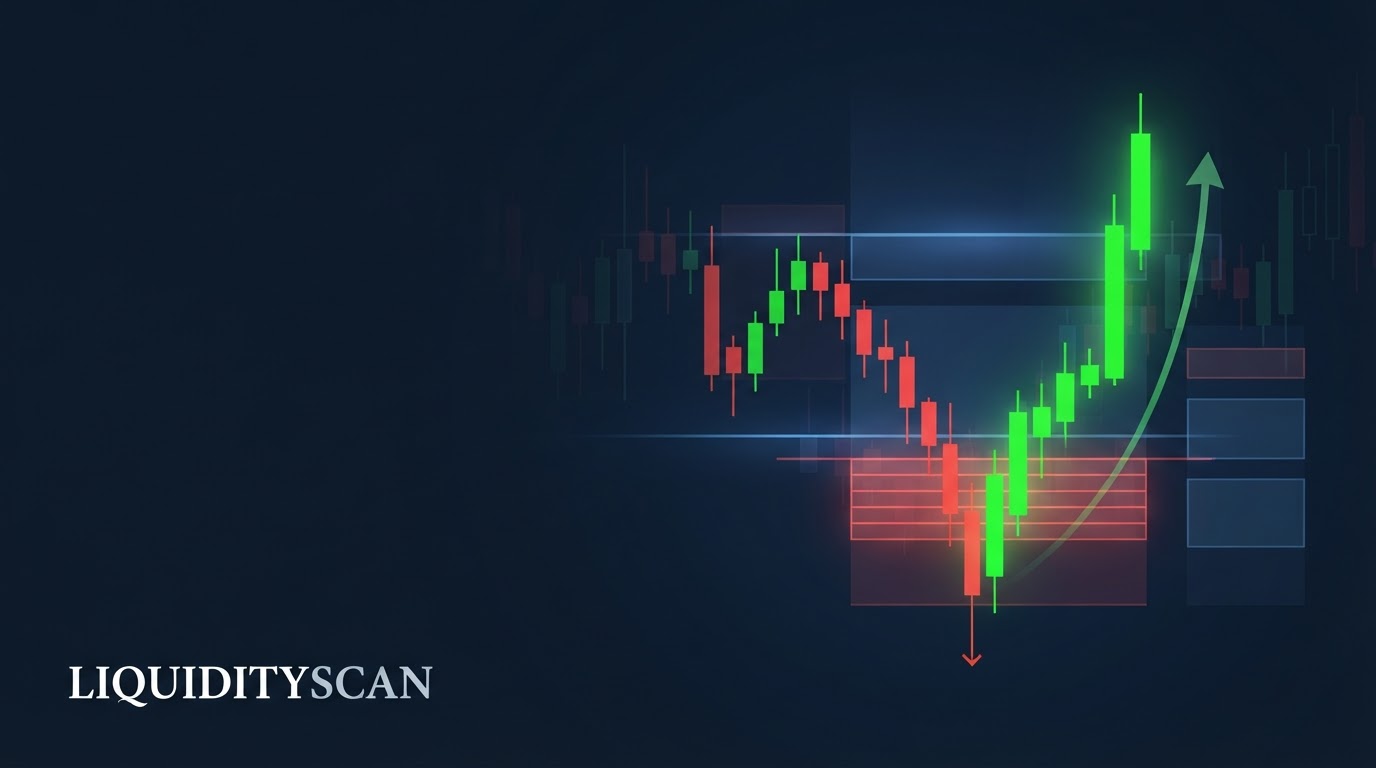
Why Does Price Reverse After a Liquidity Sweep?
Price reverses after a liquidity sweep because the triggered stops are the trade: resting stop orders become market orders, handing institutions the only pool of counterparty volume deep enough to fill size. Once that pool is absorbed, the pressure that drove price there is gone.
Hayk Muradian·
·11 min
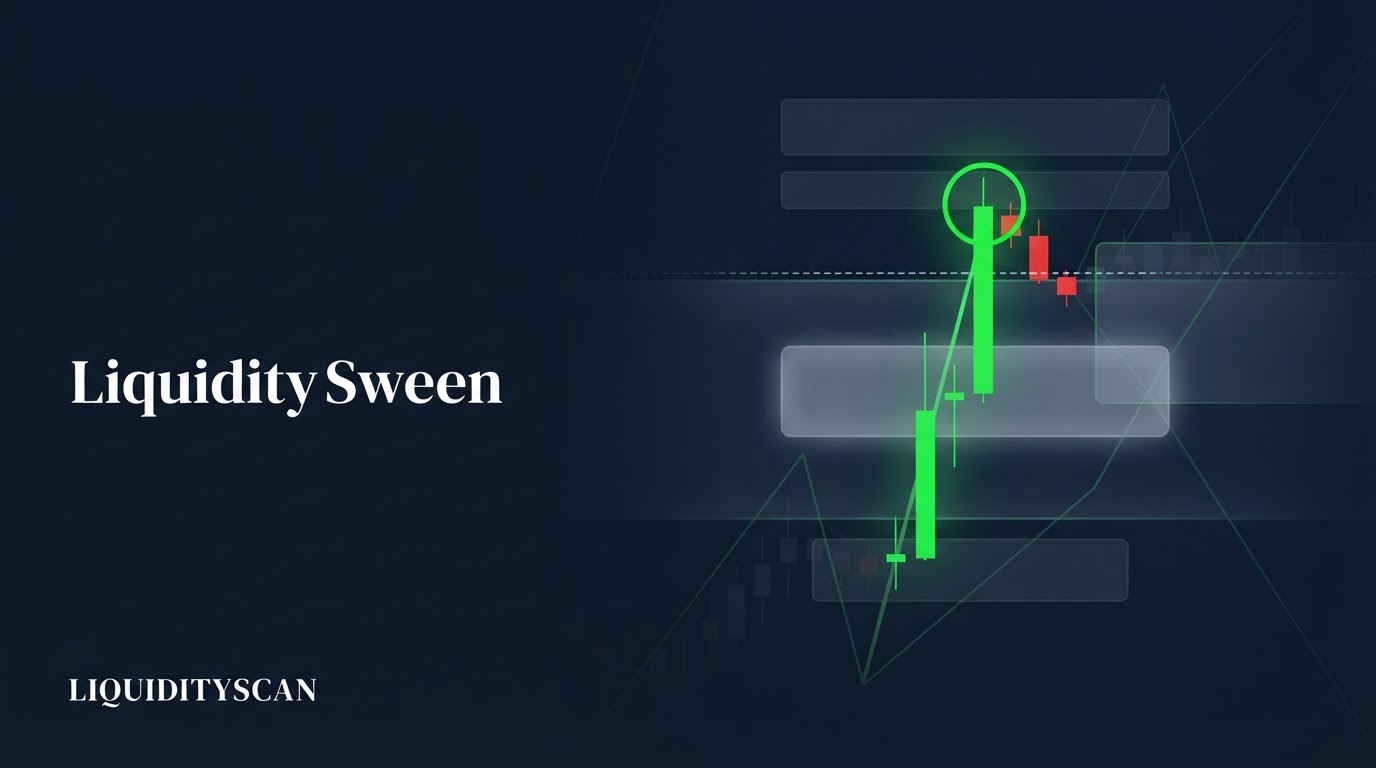
Liquidity Sweep vs Liquidity Grab: Is There a Difference?
Liquidity sweep and liquidity grab almost always describe the same event: price wicks through a stop cluster and reverses. The useful convention — sweep is the chart pattern (wick through, close back inside), grab is the institutional act of collecting those orders.
Hayk Muradian·
·13 min
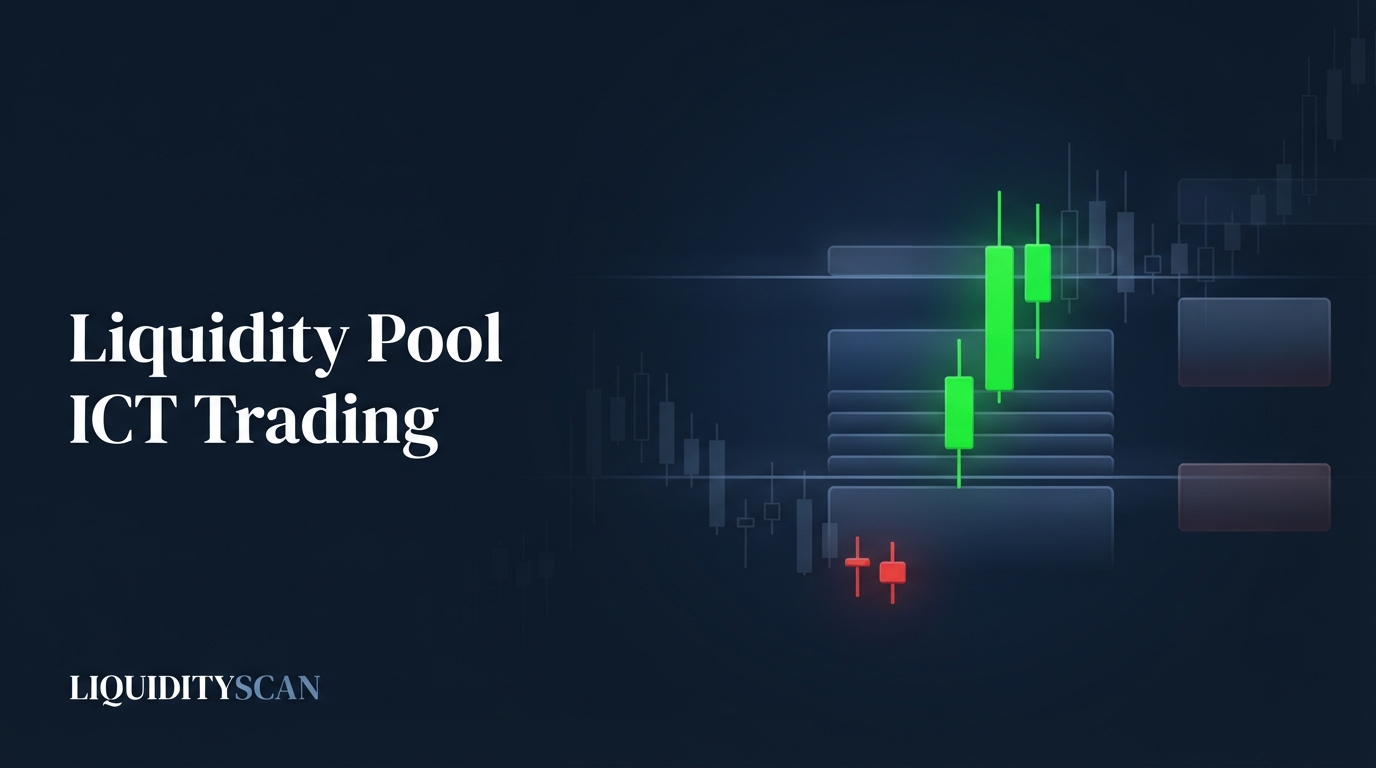
What Is a Liquidity Pool in ICT Trading?
A liquidity pool in ICT trading is a concentration of resting orders — protective stops, breakout entries, and pending limits — stacked at an obvious price level. Institutions drive price into these pools to fill size, which is why the most obvious highs and lows get run first.
Hayk Muradian·
·12 min
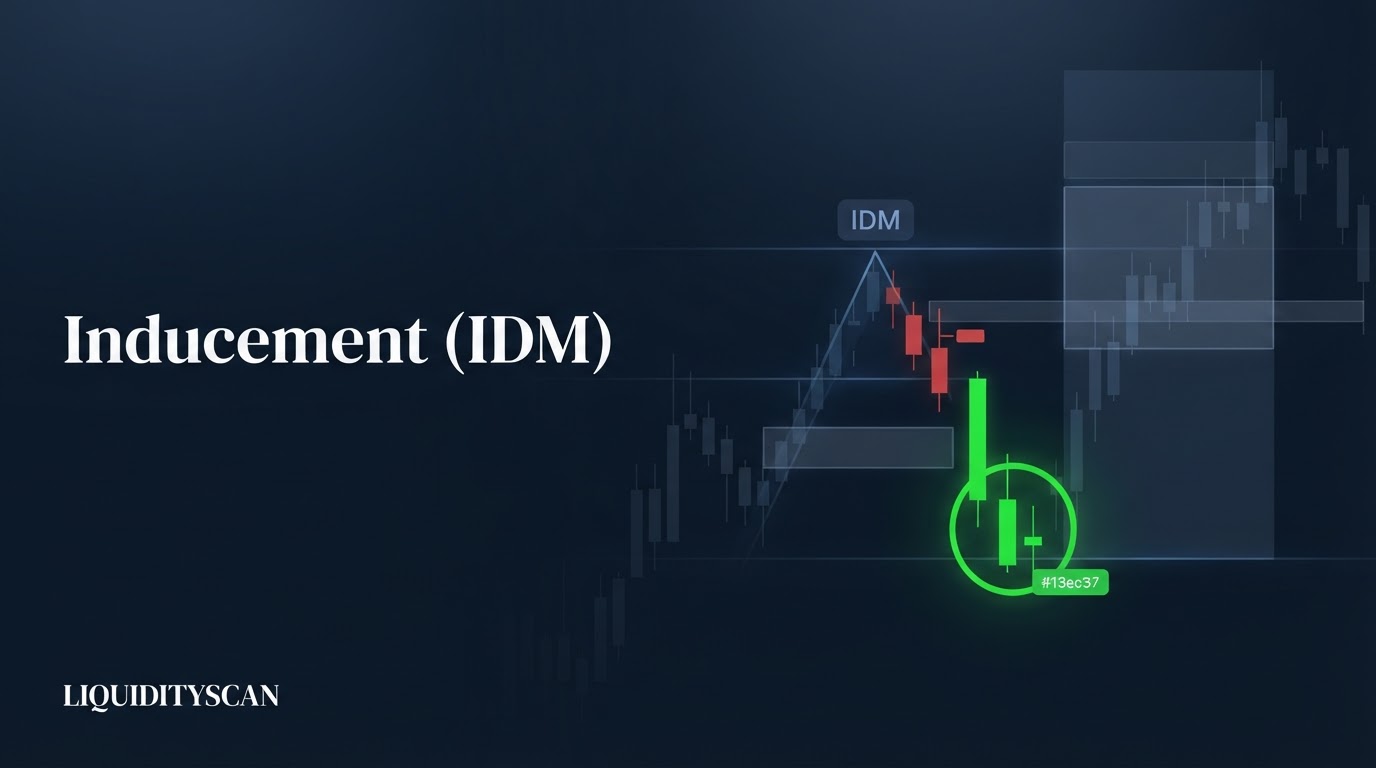
What Is Inducement (IDM) in Smart Money Concepts?
Inducement (IDM) is an engineered pocket of liquidity — a minor swing placed between current price and the real point of interest — designed to trap early entries whose stops fuel institutional fills. Here is how to identify it and why "IDM first" is the filter that saves SMC trades.
Hayk Muradian·
·11 min
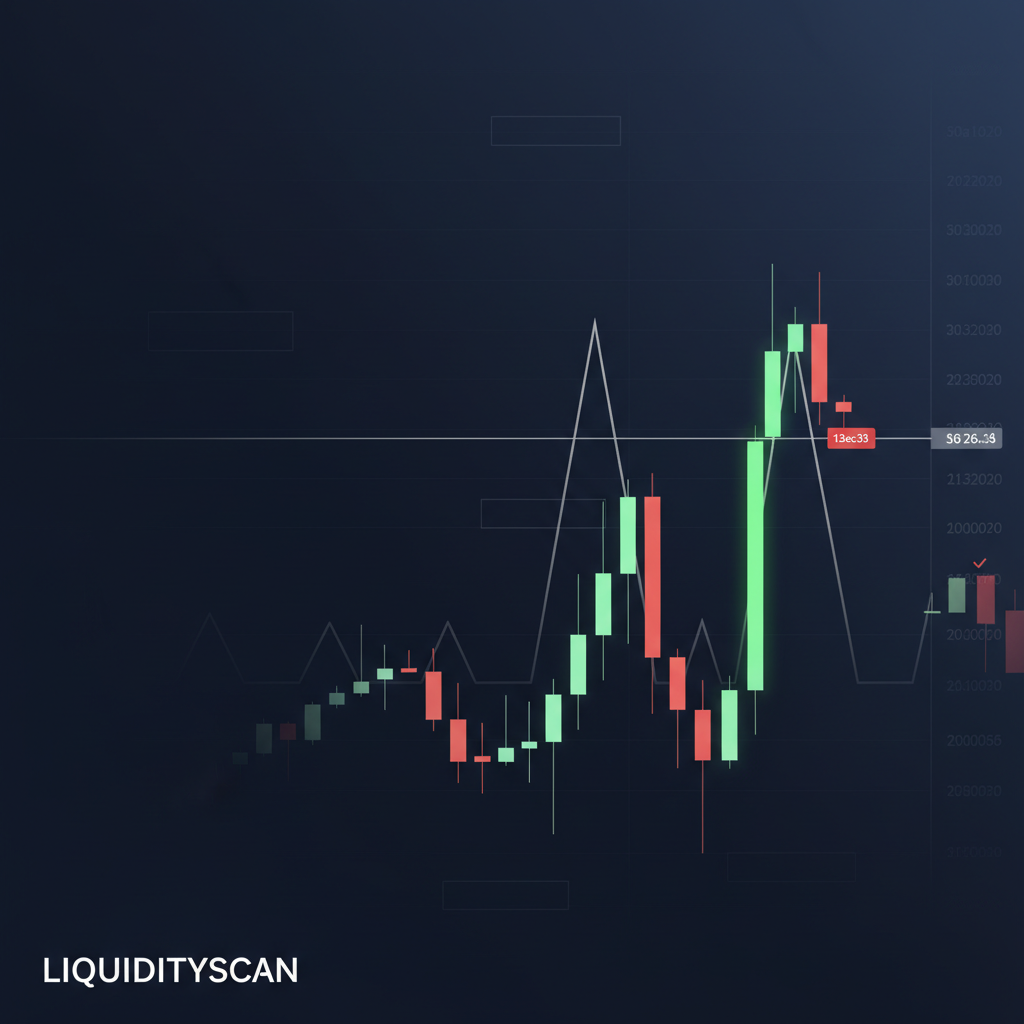
Equal Highs & Equal Lows: The Liquidity Trap
Equal highs and equal lows are matched swing points that stack resting stops, forming a liquidity magnet price is drawn to sweep.
Hayk Muradian·
·4 min
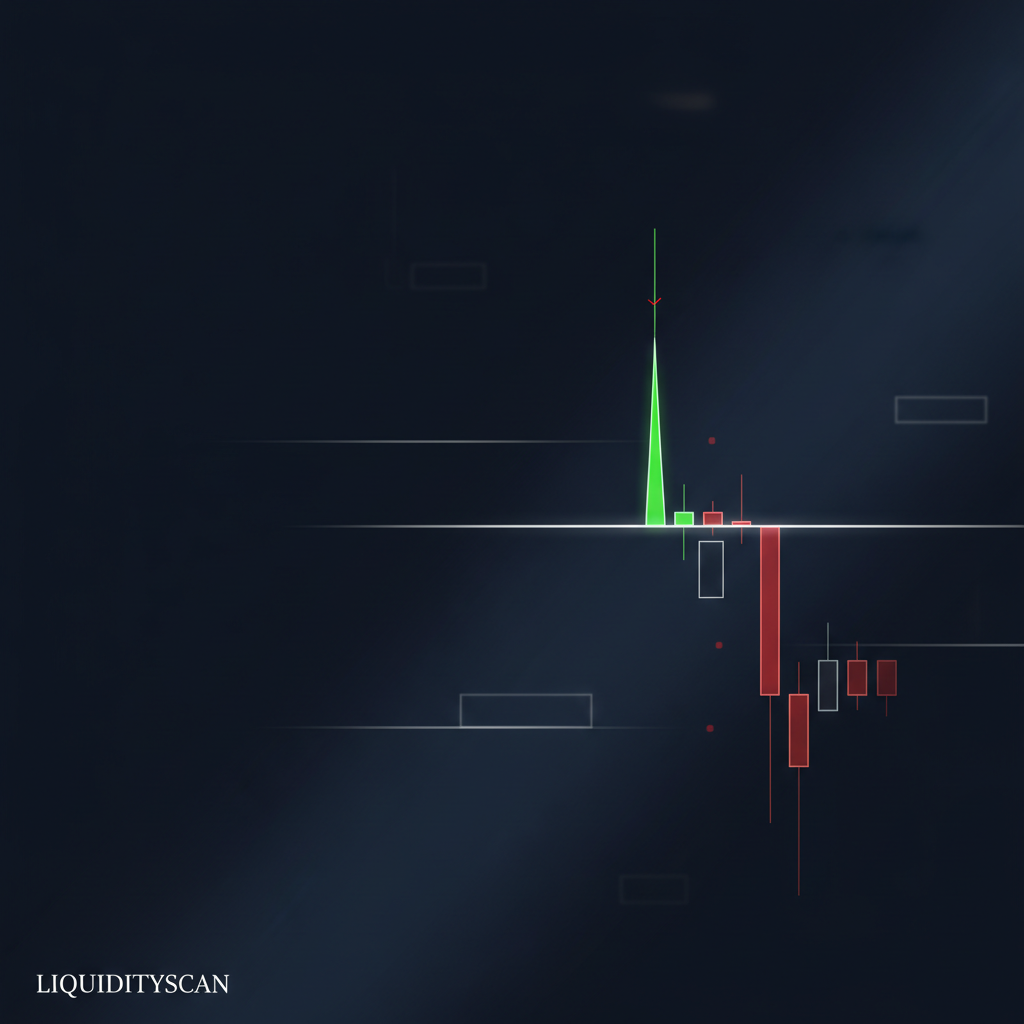
Liquidity Sweep: Why Price Hunts Your Stop Loss
A liquidity sweep is how institutions run resting stop orders at obvious highs and lows, then reverse. Here is how to spot a valid one.
Hayk Muradian·
·5 min
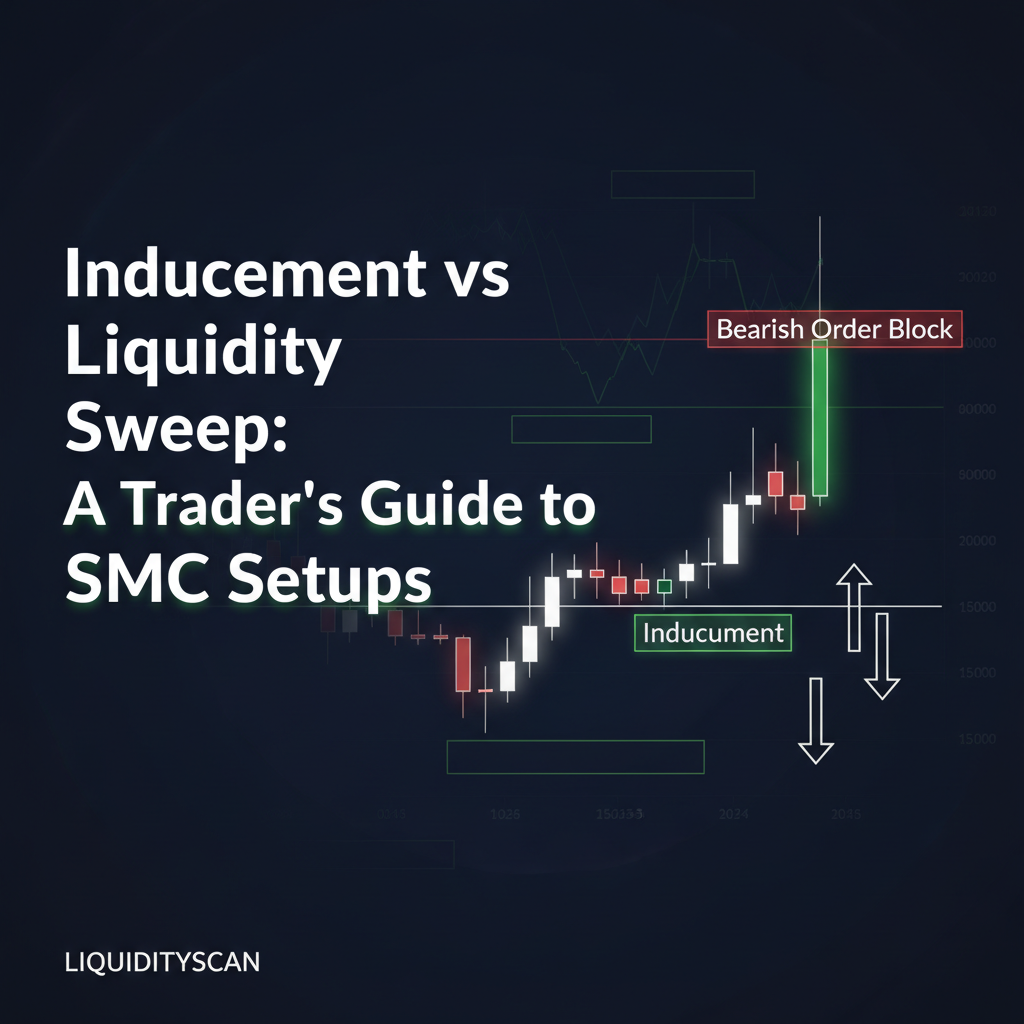
Stop Getting Swept: The Real Difference Between Inducement & Sweeps
In Smart Money Concepts (SMC), inducement is a small, often obvious price structure designed to bait retail traders into premature positions, thereby engineering liquidity. A liquidity sweep is the subsequent, sharp price move that targets and captures this engineered liquidity by running the stops
Hayk Muradian·
·7 min
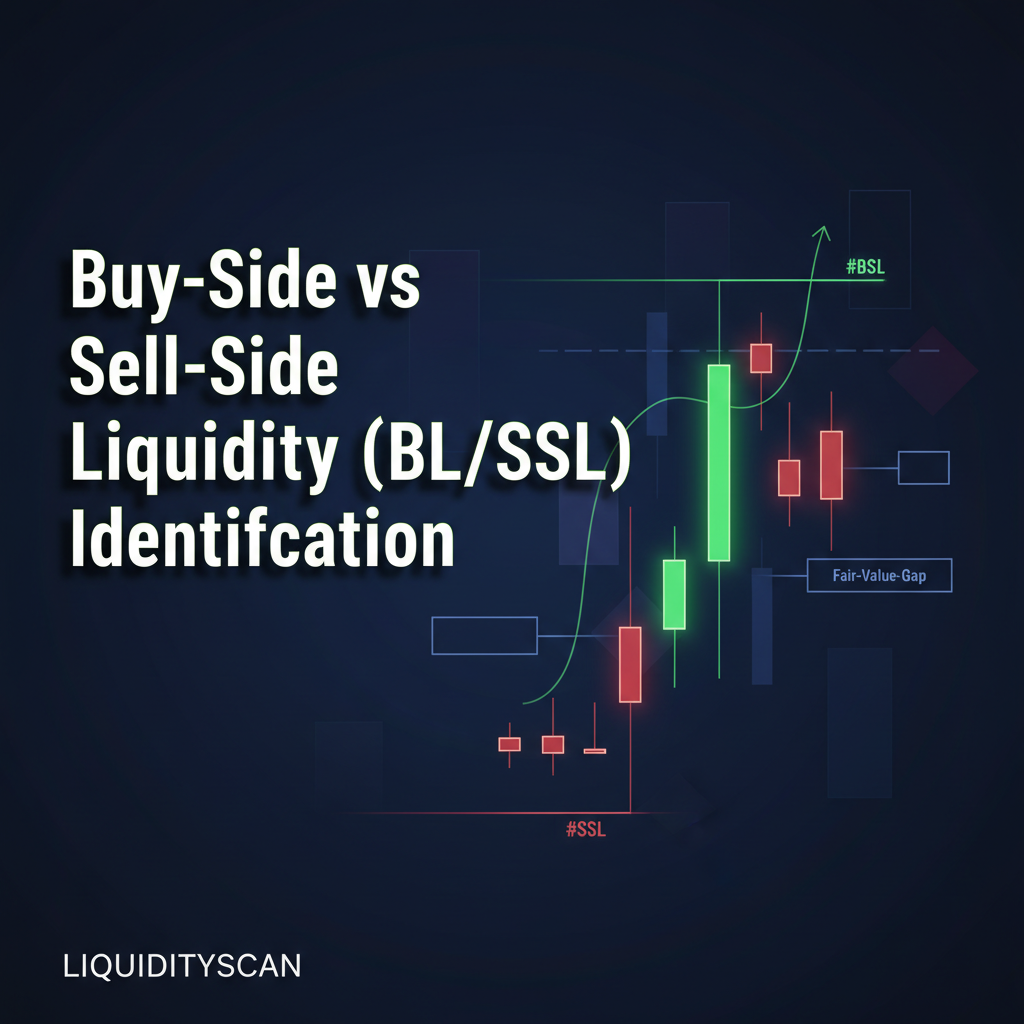
Buy-Side vs Sell-Side Liquidity (BSL/SSL) Identification
A step-by-step framework for intermediate SMC traders to precisely identify and chart buy-side and sell-side liquidity — and tell high-probability targets from simple structure.
Hayk Muradian·
·6 min
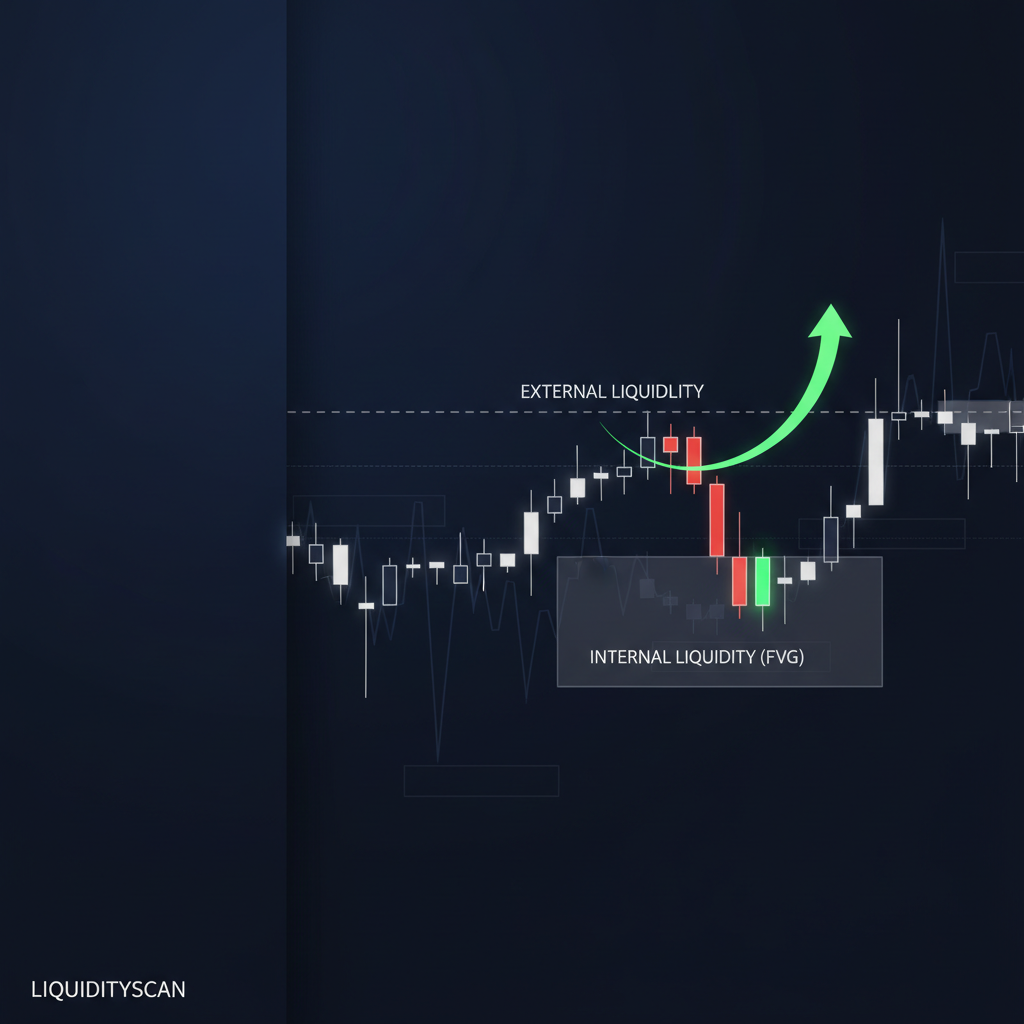
Mapping Internal & External Liquidity in Smart Money Concepts
External liquidity is the target (old highs/lows). Internal liquidity is the reason for a pullback (FVGs, order blocks). Understanding the interplay between them is the key to reading the market's narrative and framing high-probability SMC trades.
Hayk Muradian·
·6 min
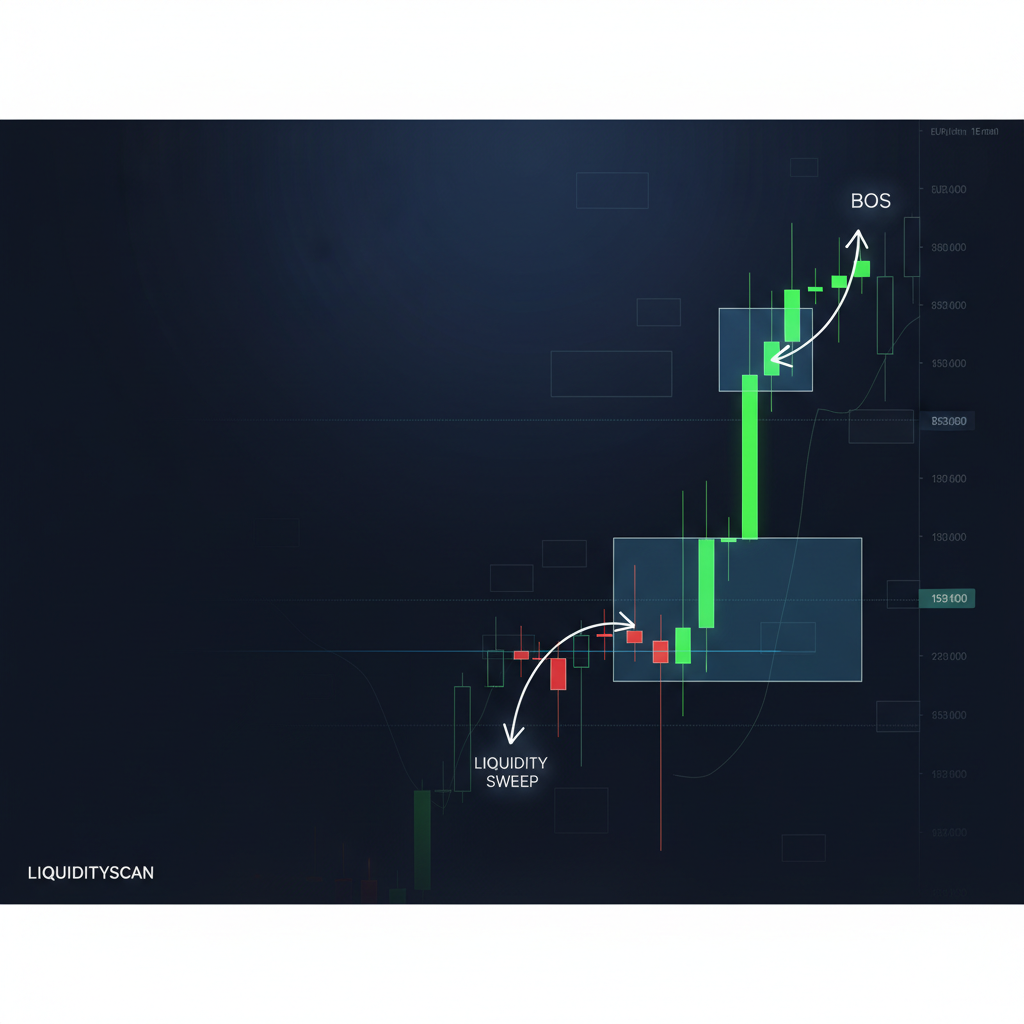
Stop Getting Trapped: Master the Judas Swing & Turtle Soup
The Judas Swing isn't a competitor to the Turtle Soup; it's the engine that powers it. This institutional guide breaks down how the time-based session open manipulation (Judas Swing) sets up the classic price-based reversal entry model (Turtle Soup).
Hayk Muradian·
·6 min
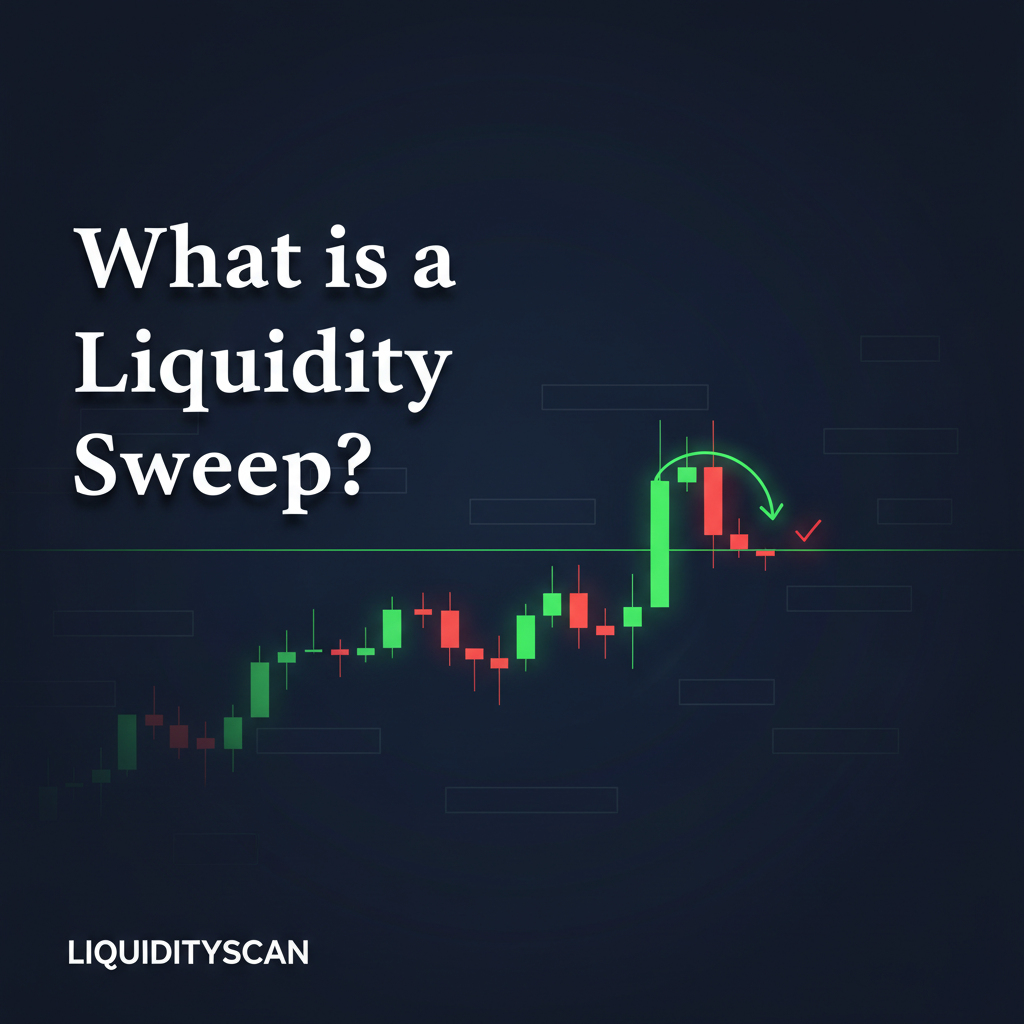
What Is a Liquidity Sweep?
What Is a Liquidity Sweep?
Hayk Muradian·
·4 min
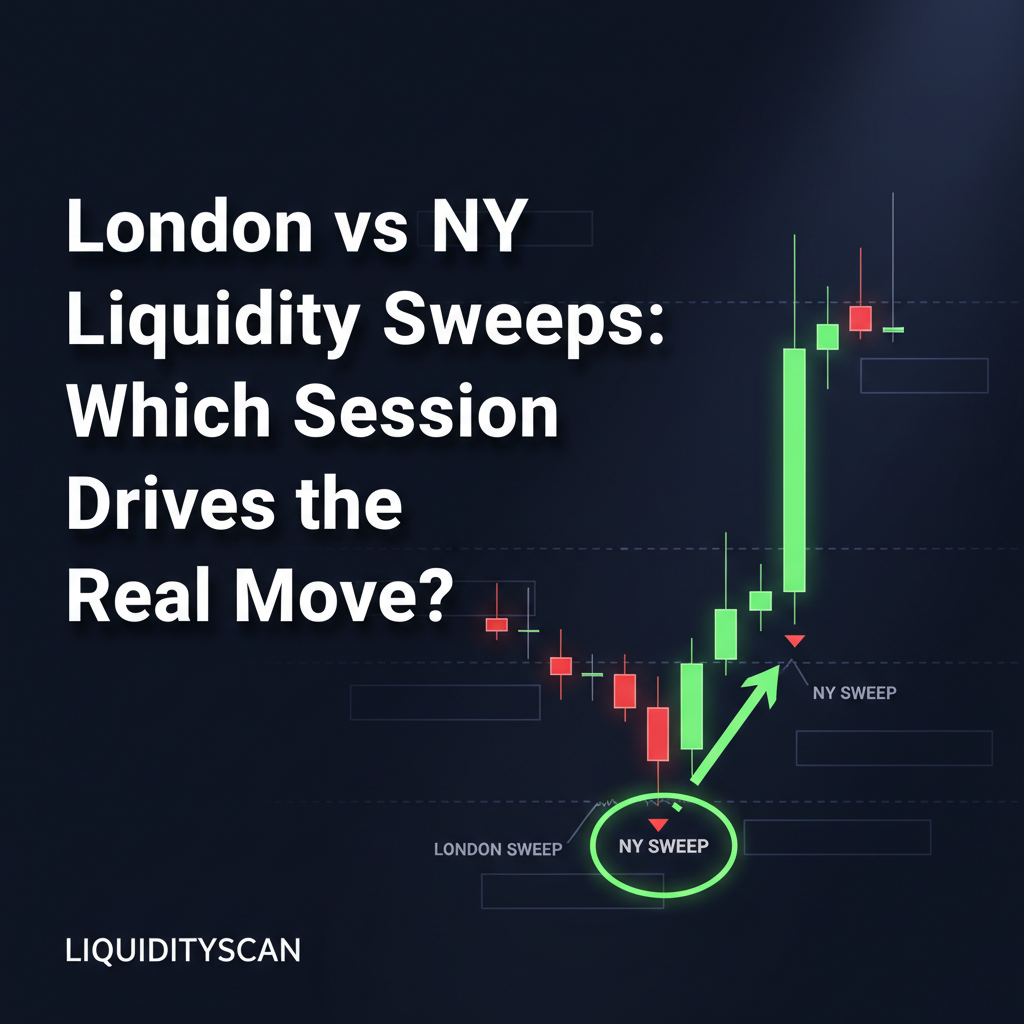
London vs NY Liquidity Sweeps: Which Session Drives the Real Move?
London vs NY Liquidity Sweeps: Which Session Drives the Real Move?
Hayk Muradian·
·6 min
Not trading advice. LiquidityScan publishes educational content for informational purposes only. Trading involves substantial risk of loss.