▸ CATEGORY · ENTRY MODELS & TIMING
Entry Models & Timing
Articles filed under "Entry Models & Timing" — deep analysis from LiquidityScan Research.
How to Trade ICT/SMC with a Full-Time Job
You cannot watch charts all day, and ICT rewards being present in the kill zone. The fix is not more screen time. It is picking one session that fits your timezone, marking levels the night before, and placing set-and-forget limit orders.
 Hayk Muradian·
·11 min
Hayk Muradian·
·11 min

How to Trade the Power of Three on the Daily Candle
To trade the Power of Three on the daily candle, anchor to the daily open, wait for the manipulation leg to sweep liquidity against your HTF bias, then enter on the reversal back through the open toward the opposite draw on liquidity.
Hayk Muradian·
·10 min

The Universal ICT Entry Checklist: One Framework for Every Model
Every clean ICT entry passes the same seven checks, no matter the model. This universal ICT entry checklist turns bias, location, liquidity, time, confirmation, risk, and invalidation into a fast pre-trade filter that kills impulsive trades before they cost you.
Hayk Muradian·
·10 min
The 'One Setup' Strategy: How to Master a Single ICT Model for Consistency
A one setup trading strategy means specializing in a single, mechanically defined ICT model and trading it hundreds of times until you know its every nuance. Depth beats breadth: one setup traded 500 times builds an edge that ten setups traded 50 times each never will.
Hayk Muradian·
·10 min

Which ICT Model Should You Trade? A Decision Framework
The right ICT model is the one that fits your schedule, market, and temperament — not the one with the loudest hype. Pick by constraint, master one to consistency, then add.
Hayk Muradian·
·10 min
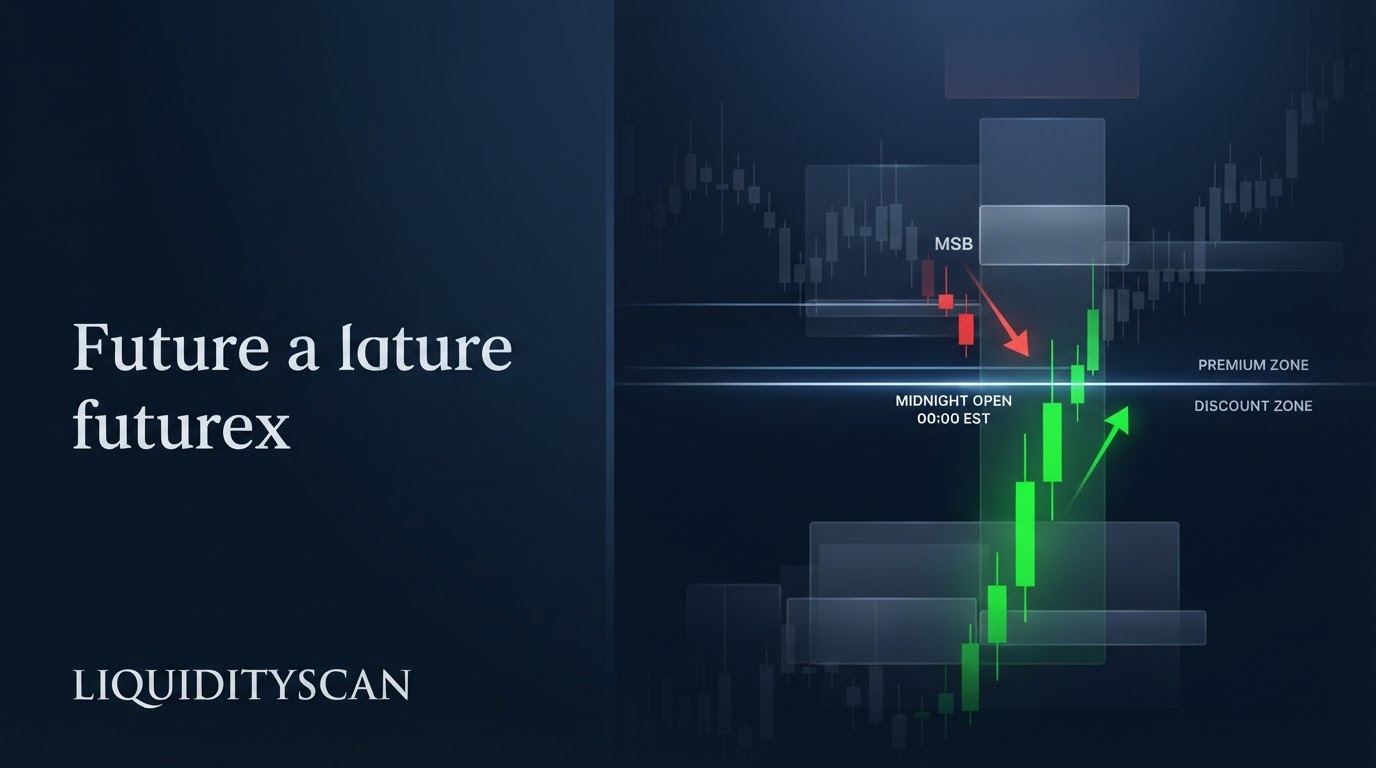
The Midnight Open in ICT: Why 00:00 EST Anchors the Daily Range
The ICT midnight open is the price at exactly 00:00 America/New_York — the reference the delivery algorithm uses to reset the trading day. It splits the session into premium above and discount below, framing your directional bias before London or New York moves.
Hayk Muradian·
·10 min

Kill Zone vs Macro vs Silver Bullet: How ICT's Time Windows Nest
They are not competing tools. A kill zone is the 2-3 hour session window you watch, a macro is a ~20-minute run inside it, and the silver bullet is one macro-timed FVG setup that lives inside the kill zone.
Hayk Muradian·
·11 min

Does the Silver Bullet Strategy Actually Work?
The Silver Bullet can work, but not because of the clock. The one-hour window is only a filter. The real edge lives in HTF bias, a genuine liquidity sweep, and displacement into the FVG entry. Traded mechanically with no filters, it is mediocre.
Hayk Muradian·
·10 min
The London Close Kill Zone: How to Trade the 10-12 EST Reversal Window
The London close kill zone runs roughly 10:00-12:00 EST, when European desks square positions and the New York AM move often reverses toward equilibrium. It is a mean-reversion window, not a continuation one.
Hayk Muradian·
·10 min
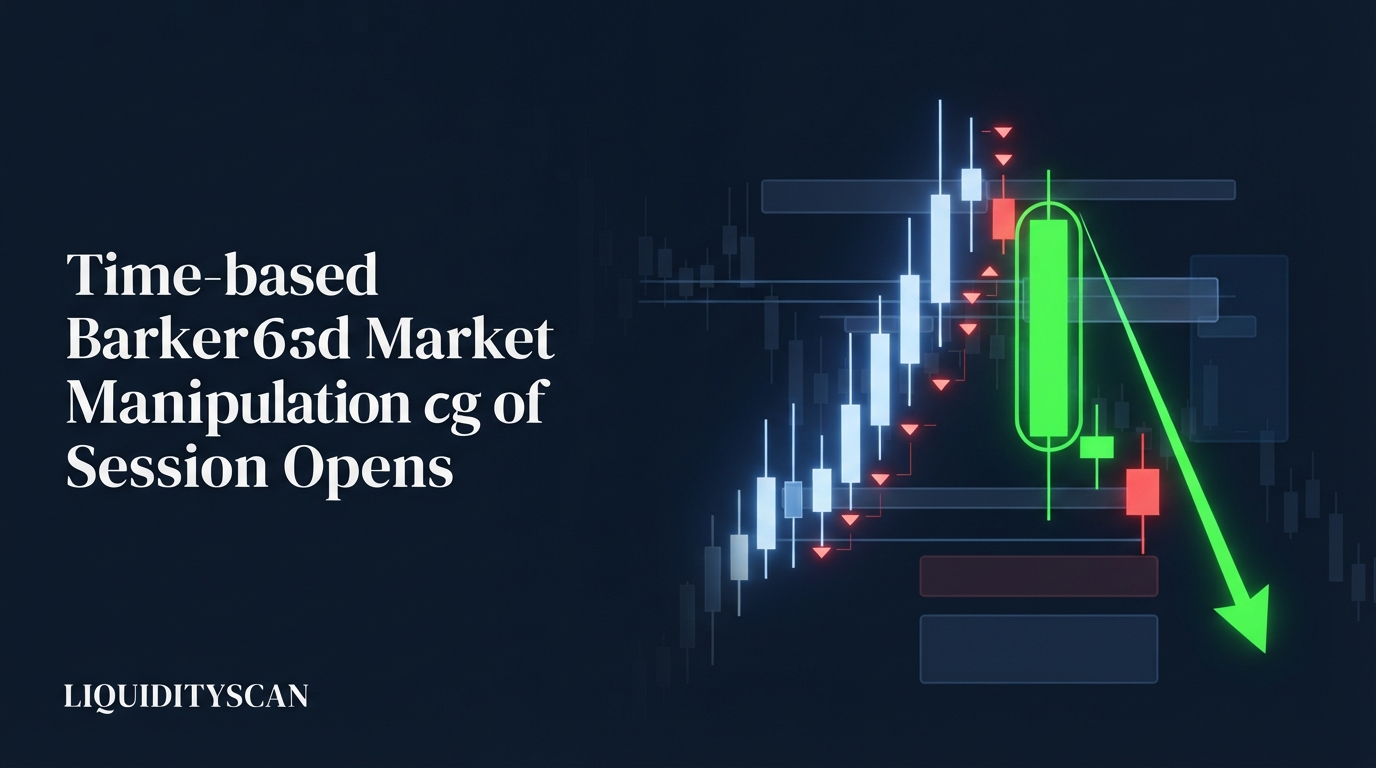
Why Does the Market Reverse Right After the Open? The Time-Based Manipulation Logic
The session open is the moment the most orders rest on the book — overnight stops, breakout orders, retail chasing the first candle. The algorithm runs an initial move to trigger that liquidity, then reverses toward the true daily direction. That false push is the Judas swing.
Hayk Muradian·
·10 min
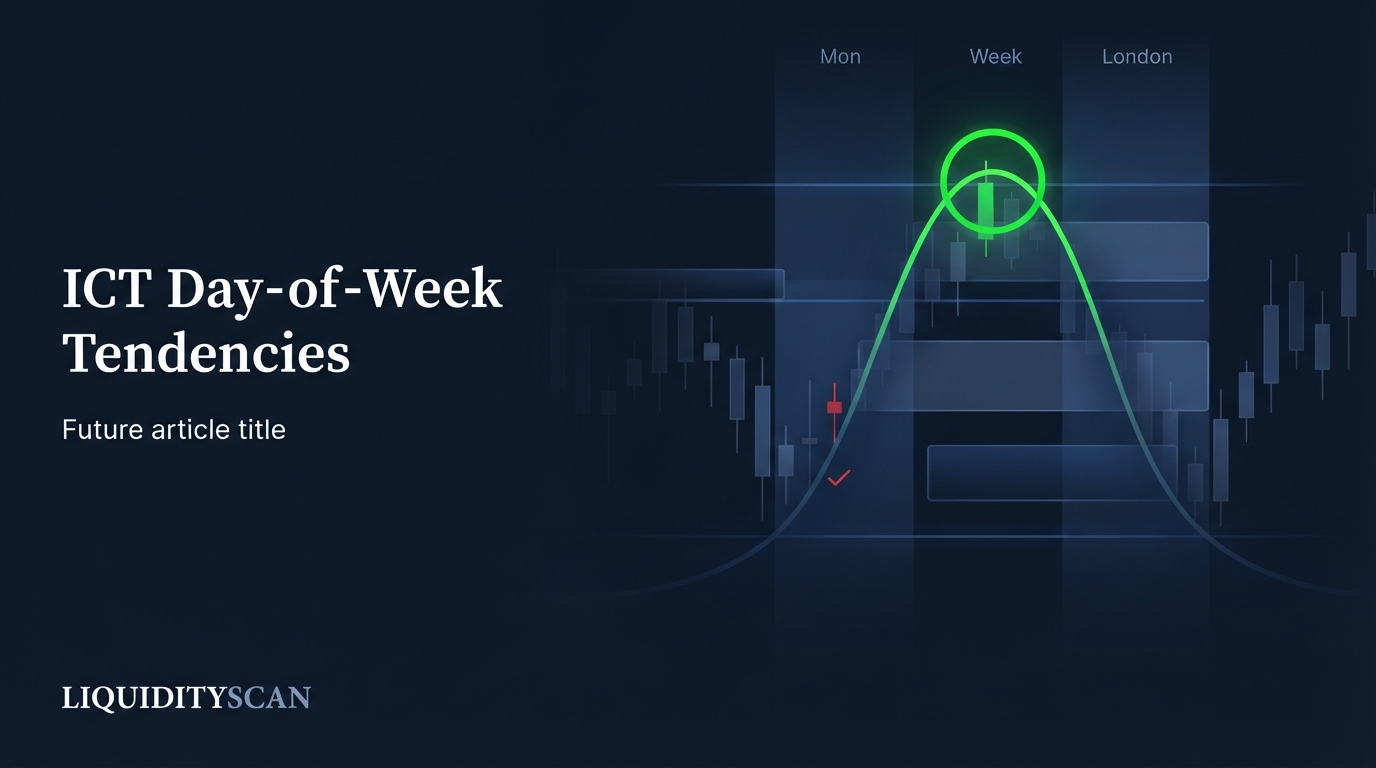
ICT Day-of-Week Tendencies: Why Tuesday and Wednesday Set the Weekly High or Low
In ICT, the weekly high or low tends to form on Tuesday or Wednesday during the London session — not Monday's quiet range or Friday's fade. Knowing when the weekly extreme prints lets you position toward the draw for the rest of the week.
Hayk Muradian·
·10 min
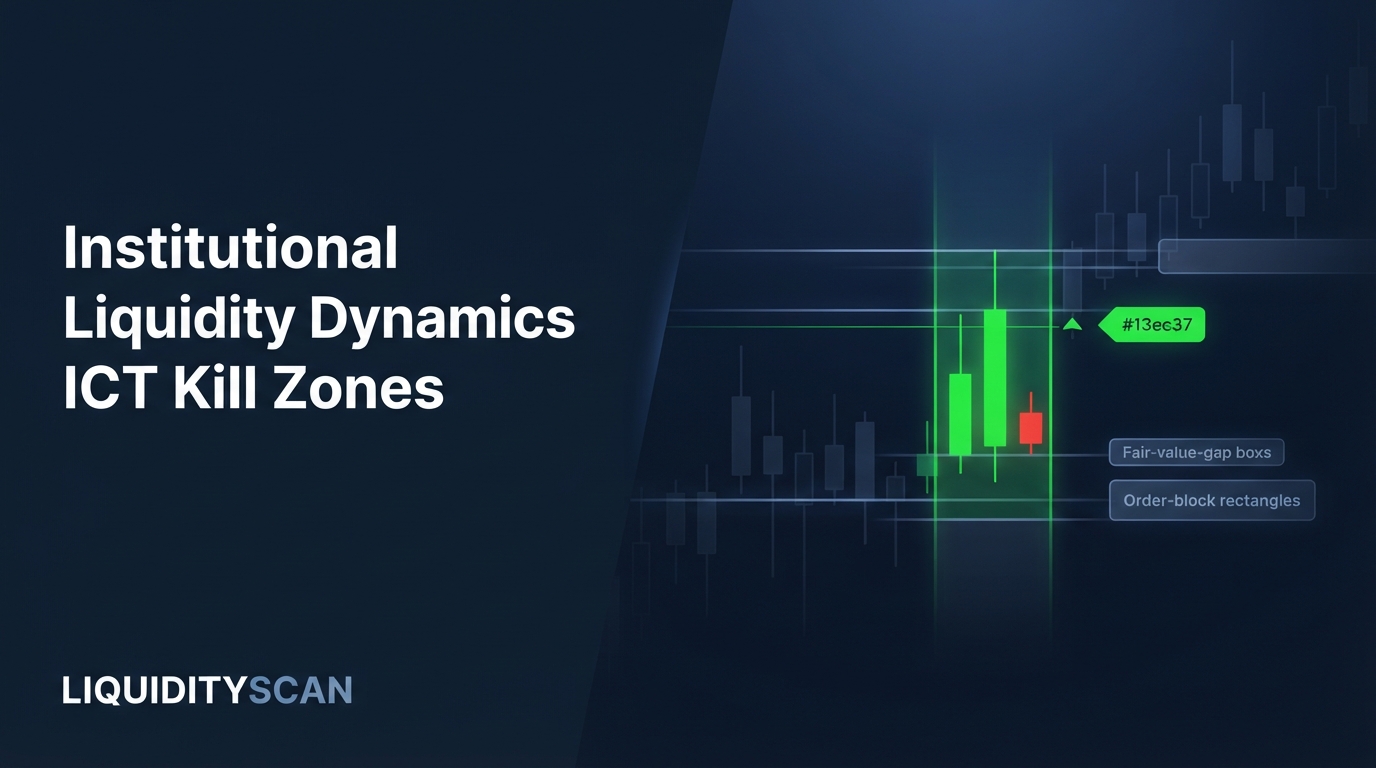
Do ICT Kill Zones Still Work in 2026? A Data-Driven Reality Check
The volatility is real; the clock is not the edge. Session opens still concentrate institutional liquidity, but kill zones only produce expectancy when paired with HTF alignment and a liquidity narrative — not traded blindly by the hour.
Hayk Muradian·
·10 min
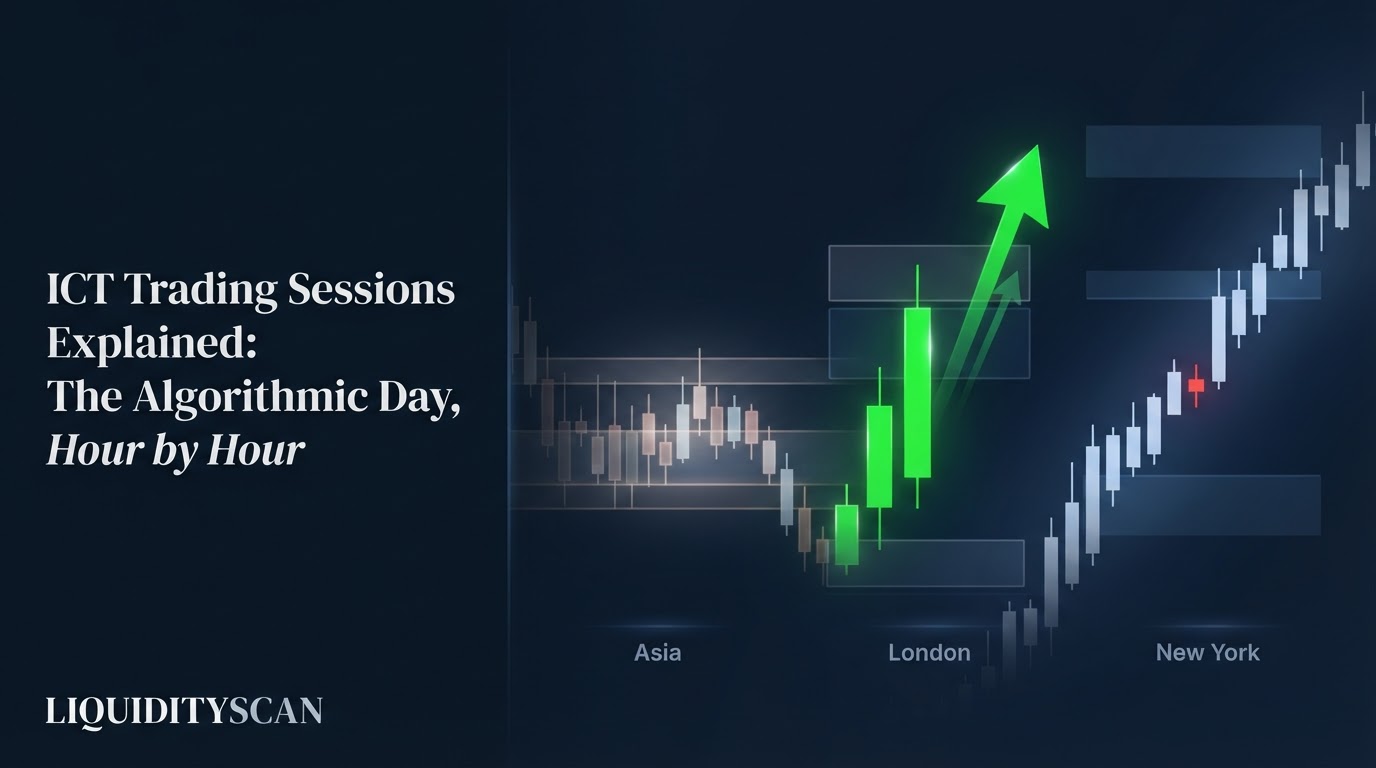
ICT Trading Sessions Explained: The Algorithmic Day, Hour by Hour
ICT trading sessions split the day into Asia, London, and New York blocks that each play a fixed role: Asia builds a range, London runs the first manipulation, and New York delivers the real move. Trade the schedule, not just the level.
Hayk Muradian·
·11 min
ICT Time and Price: Why Your Level Keeps Failing
ICT time and price theory says a level only matters when it aligns with a timing window. Here is how the two halves combine into one clean setup.
Hayk Muradian·
·5 min
ICT Quarterly Theory Explained Simply (With Table)
ICT quarterly theory splits time into four repeating quarters. Learn the fractal cycles, the True Open reference, and how AMD unfolds inside each window.
Hayk Muradian·
·5 min

The ICT Unicorn Model: The Highest-Probability ICT Entry
The ICT unicorn model stacks a breaker block over a Fair Value Gap after a liquidity sweep and market structure shift for a high-probability entry zone.
Hayk Muradian·
·4 min
NWOG & NDOG: The Opening Gaps Smart Money Watches
The New Week Opening Gap and New Day Opening Gap are institutional reference points. Here is how ICT traders read and trade these opening gaps.
Hayk Muradian·
·5 min

CBDR: Turn the Overnight Range Into Price Targets
The central bank dealers range (CBDR) turns a quiet overnight box into projected standard-deviation targets you can trade toward the next session.
Hayk Muradian·
·5 min
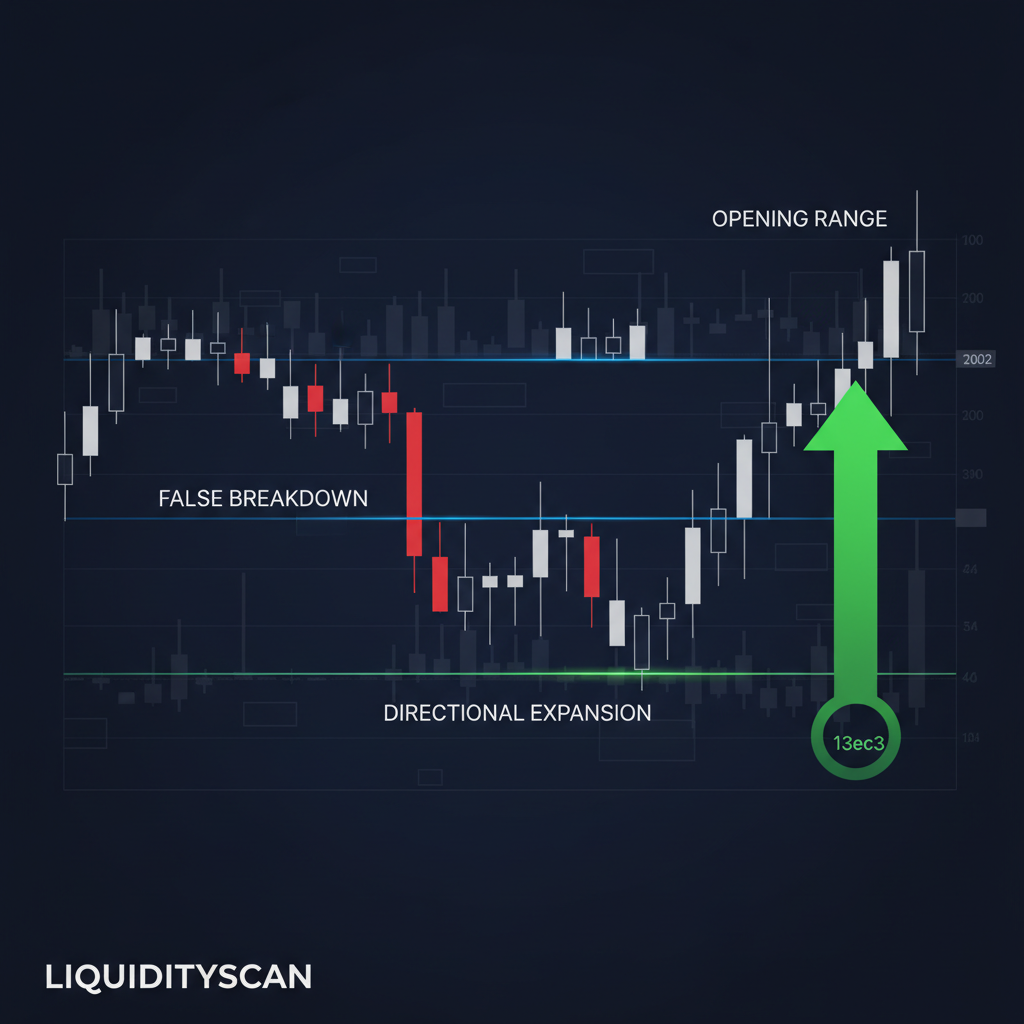
PO3 Explained: The 3 Phases Smart Money Uses Every Day
The Power of 3 (PO3) breaks every candle into accumulation, manipulation and distribution — the AMD rhythm that reveals where smart money moves next.
Hayk Muradian·
·5 min
ICT 2022 vs 2024 Model: Which One Should You Trade?
The ICT 2024 model refines the 2022 framework with time-based macros and new points of interest. Here is how they differ and when to use each.
Hayk Muradian·
·5 min
OTE: The Fibonacci Zone Institutions Enter On
Optimal Trade Entry is the ICT retracement zone between the 62% and 79% Fibonacci levels. Here is why price seeks it and how to use it.
Hayk Muradian·
·4 min
ICT Weekly Profiles Explained: Daily Behavioral Templates
A concise, institutional-grade definition of ICT Weekly Profiles — the day-by-day behavioral template intermediate traders use to anchor directional bias.
Hayk Muradian·
·5 min

Silver Bullet Strategy: Complete Checklist & Examples
A step-by-step, executable checklist for the ICT Silver Bullet model — the precise time window, sweep, displacement and FVG entry that define a valid setup.
Hayk Muradian·
·7 min
Step-by-Step Entry Criteria for the 2024 Model
A strict, procedural execution manual for the ICT 2024 Model — the precise sequence of time, liquidity sweep, market structure shift, and fair value gap entry that defines a valid trade.
Hayk Muradian·
·6 min

Don't Trade Another Session Until You Read This ICT Kill Zones Guide
Stop guessing at session tops and bottoms. This is the institutional trader's complete guide to ICT Kill Zones, deconstructing the exact time-based algorithms that deliver price.
Hayk Muradian·
·18 min
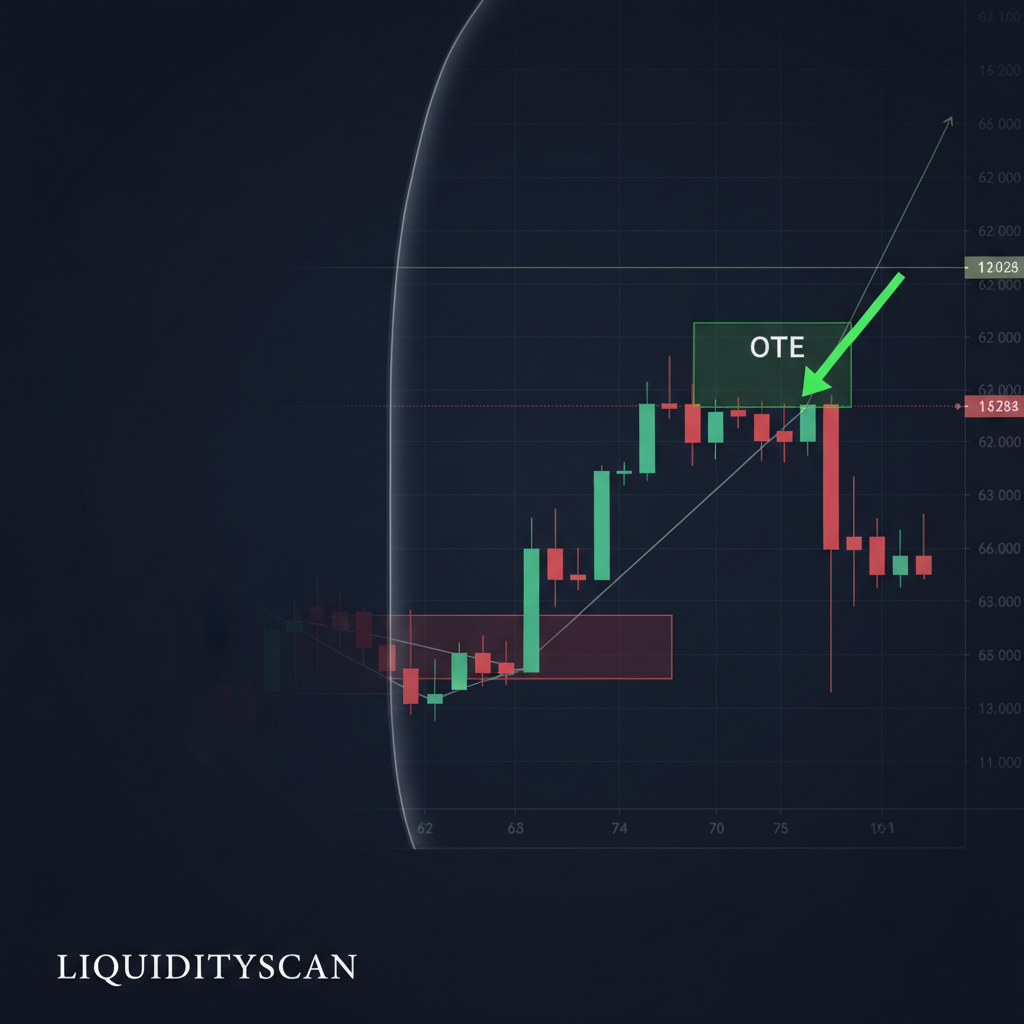
OTE Optimal Trade Entry: The Institutional Model vs. Retail Fibs
The Optimal Trade Entry isn't just a set of Fibonacci levels. It's a systematic model for engaging with price after a significant displacement. We'll dissect how OTE differs from standard retail Fibs and how to apply it with institutional context.
Hayk Muradian·
·5 min

Is the ICT 2024 Model Better Than the 2022? A Technical Analysis
The ICT 2024 model is not a replacement but a refinement of the 2022 model, demanding a significant displacement leg post-liquidity sweep for a higher-probability entry.
Hayk Muradian·
·5 min

ICT Silver Bullet 10am vs 3am: A Data-Driven Comparison
The 10 AM and 3 AM Silver Bullet setups are not interchangeable. One hunts Asian session liquidity, the other reacts to the New York open's volatility. Understanding the difference is key to consistent execution.
Hayk Muradian·
·6 min
ICT Weekly Profile Breakdown: A Blueprint for Institutional Flow
ICT Weekly Profile Breakdown: A Blueprint for Institutional Flow
Hayk Muradian·
·5 min
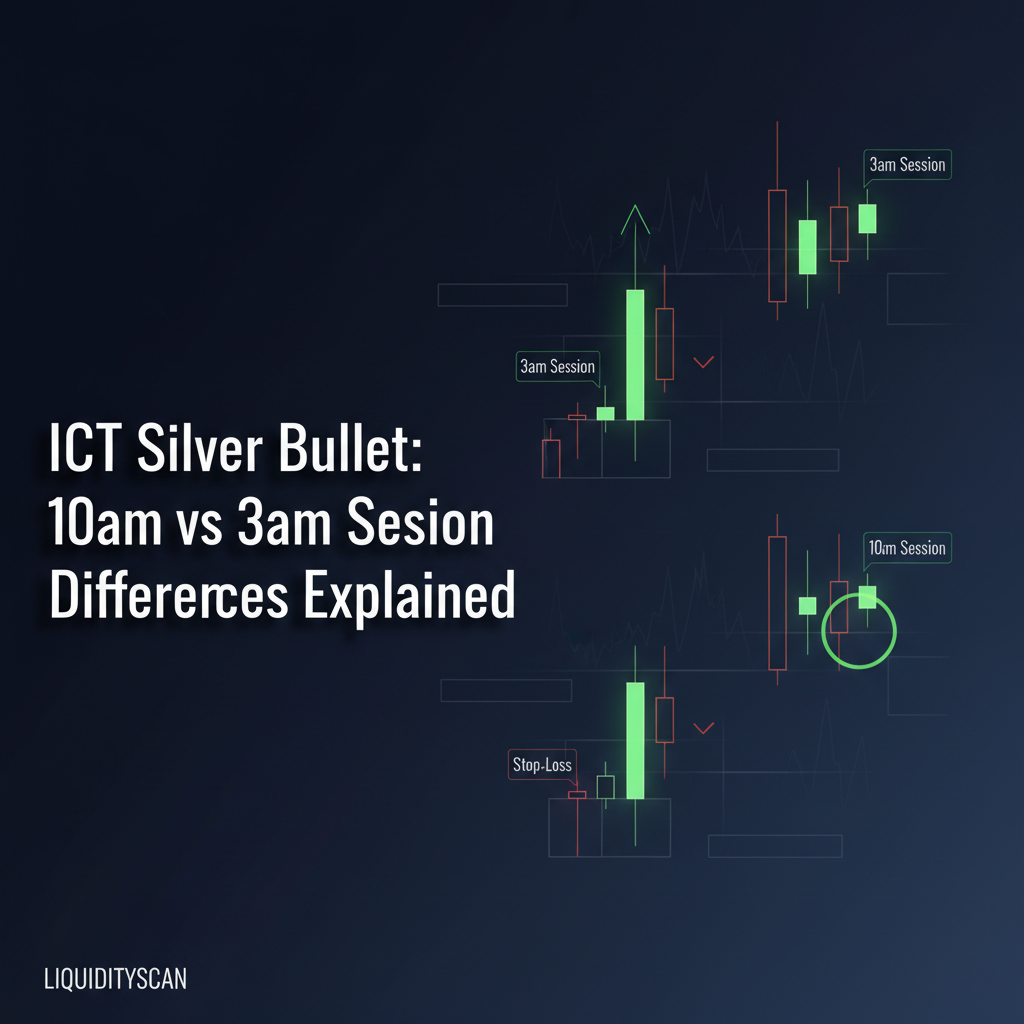
ICT Silver Bullet: 10am vs 3am Session Differences Explained
ICT Silver Bullet: 10am vs 3am Session Differences Explained
Hayk Muradian·
·6 min

A Precise New York AM Kill Zone Strategy for ICT Traders
A Precise New York AM Kill Zone Strategy for ICT Traders
Hayk Muradian·
·5 min
The London Open Kill Zone Strategy: A Procedural Guide
The London Open Kill Zone Strategy: A Procedural Guide
Hayk Muradian·
·6 min
The Ultimate Guide to DST Kill Zone Adjustments for ICT Traders
The Ultimate Guide to DST Kill Zone Adjustments for ICT Traders
Hayk Muradian·
·4 min

ICT Macro Times: A Deep Dive into the 20-Minute Windows
ICT Macro Times: A Deep Dive into the 20-Minute Windows
Hayk Muradian·
·6 min
Not trading advice. LiquidityScan publishes educational content for informational purposes only. Trading involves substantial risk of loss.