▸ CATEGORY · ORDER BLOCKS & FVGS
Order Blocks & FVGs
Articles filed under "Order Blocks & FVGs" — deep analysis from LiquidityScan Research.
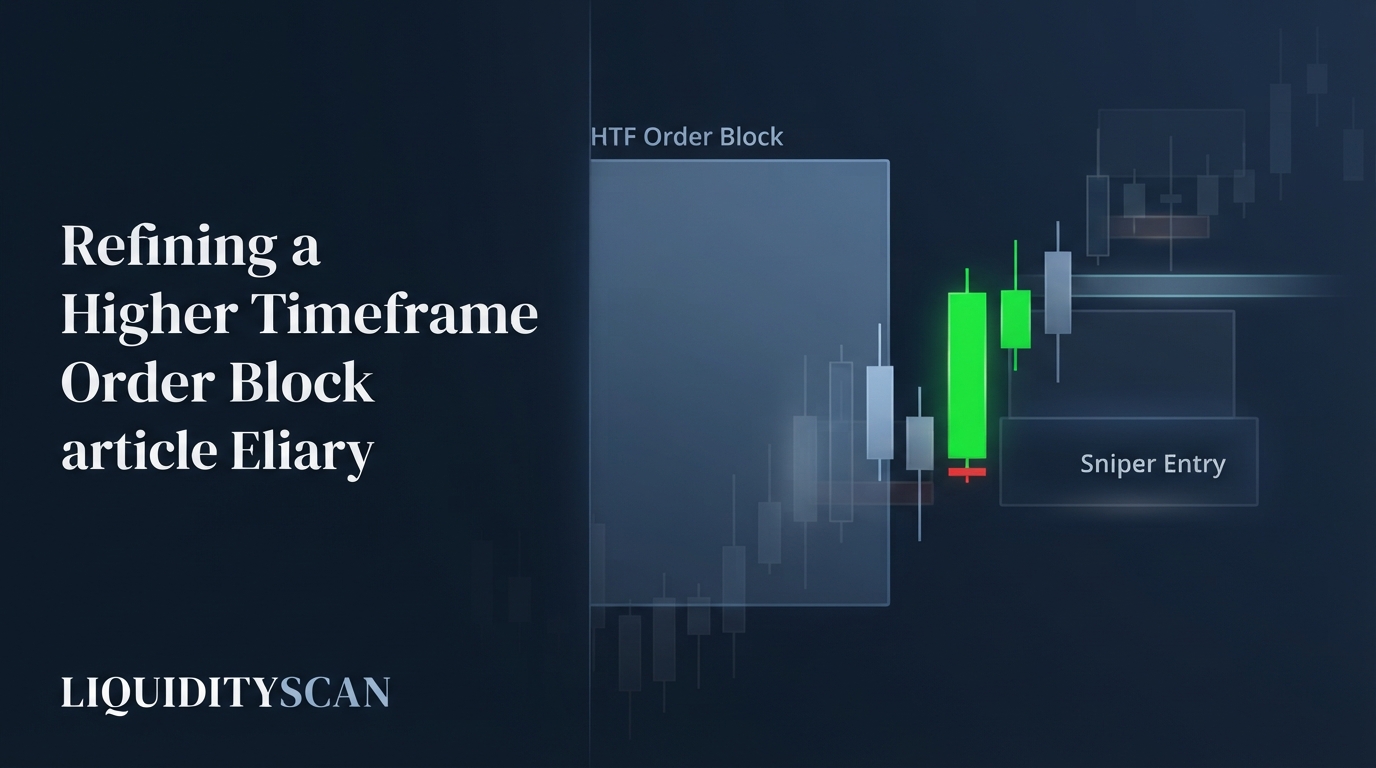
How to Refine an Order Block: From HTF Zone to Sniper Entry
Order block refinement is the process of drilling a wide higher-timeframe order block down to the exact lower-timeframe candle that caused displacement inside it, cutting stop distance and multiplying your reward-to-risk on the same target.
 Hayk Muradian·
·10 min
Hayk Muradian·
·10 min
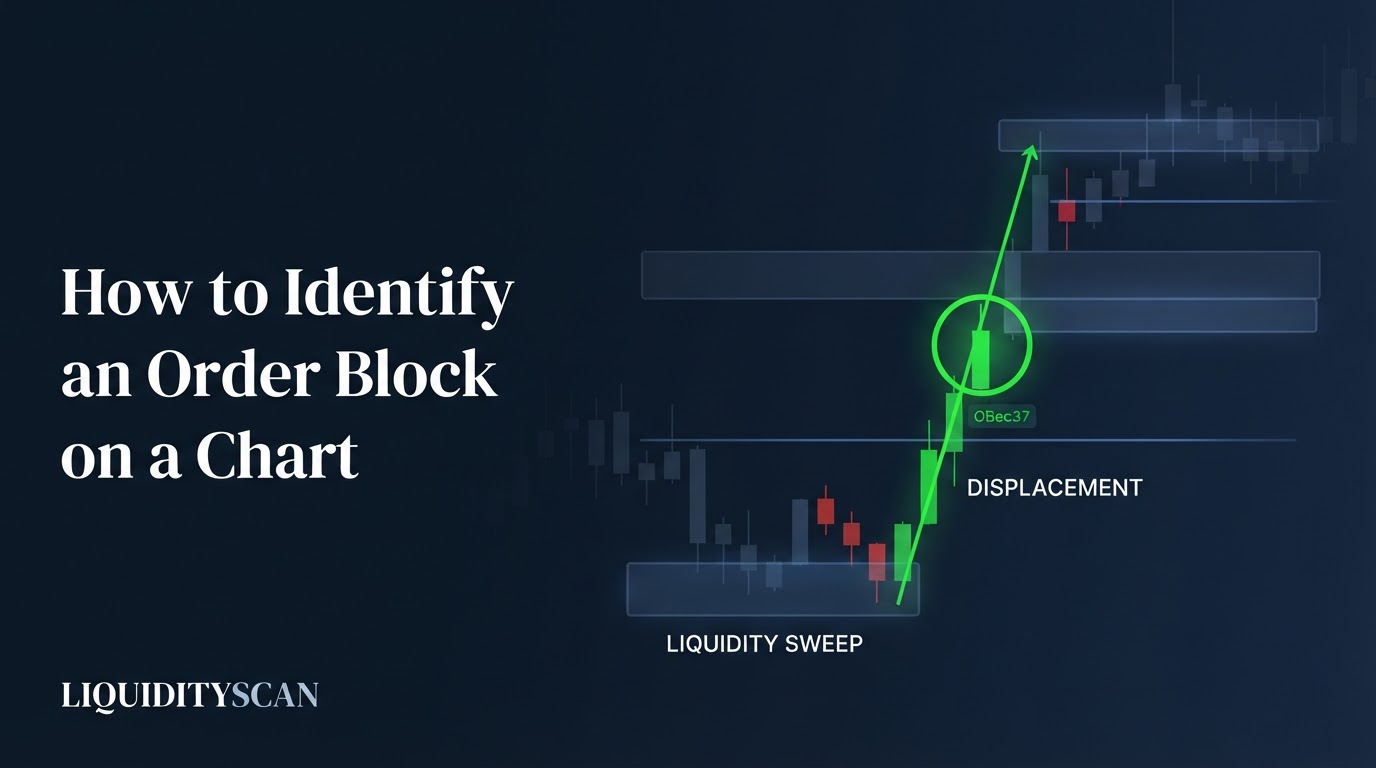
How to Identify an Order Block on a Chart
Identifying an order block starts with the displacement leg and works backward: confirm the liquidity sweep at the origin, isolate the last opposite candle, check the structural consequence, then mark the zone open-to-extreme with a mean threshold. Here is the exact five-step routine.
Hayk Muradian·
·11 min
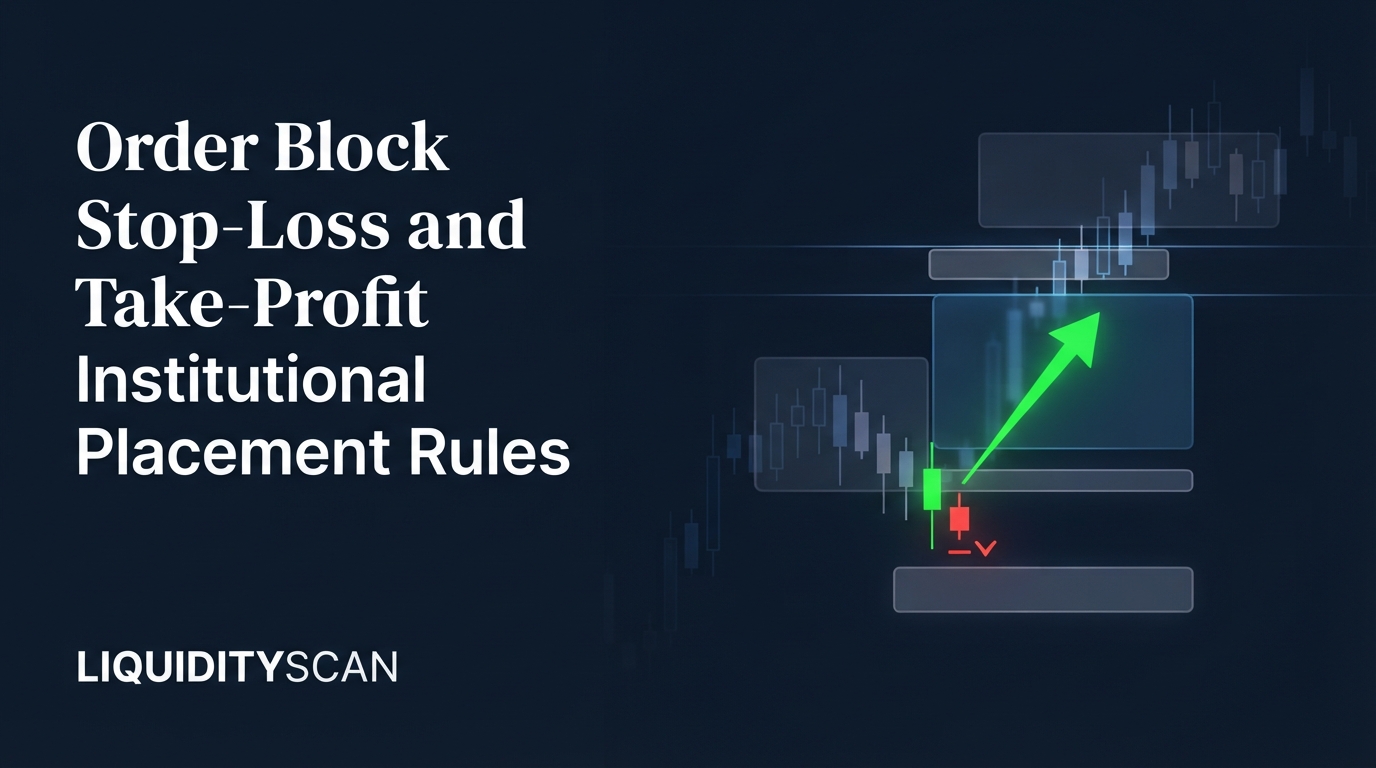
Order Block Stop-Loss and Take-Profit: Institutional Placement Rules
Place an order block stop loss beyond the block's invalidation — the extreme wick, the mean threshold, or the sweep low that formed it — never inside the zone, and take profit at opposing liquidity pools. Here are the exact placement rules, buffer sizing, and the R:R math.
Hayk Muradian·
·12 min
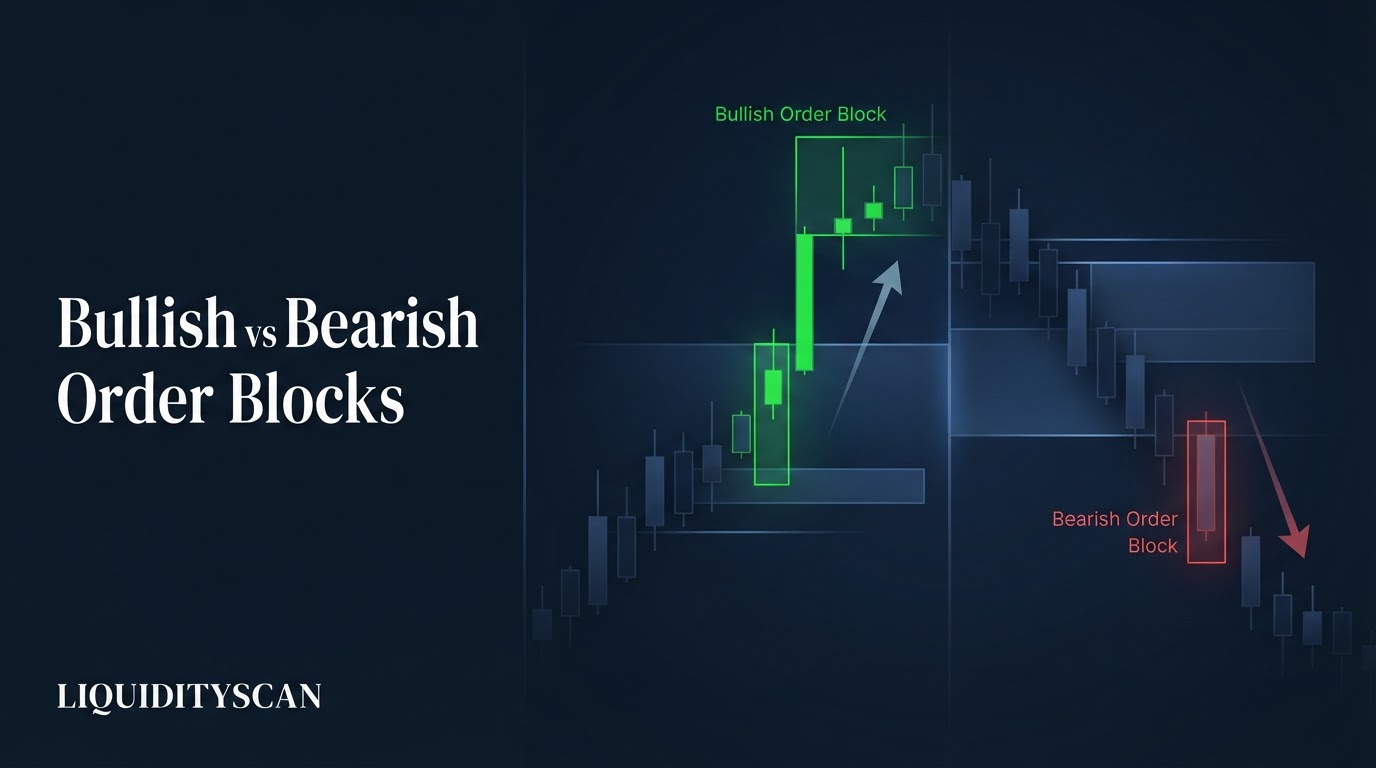
Bullish vs Bearish Order Block: How to Identify and Mark Each
A bullish order block is the last bearish candle before a displacement leg up; a bearish order block is the last bullish candle before a displacement leg down. This guide shows exactly how to identify, mark, and filter each — plus the invalidation rule that kills a zone for good.
Hayk Muradian·
·11 min
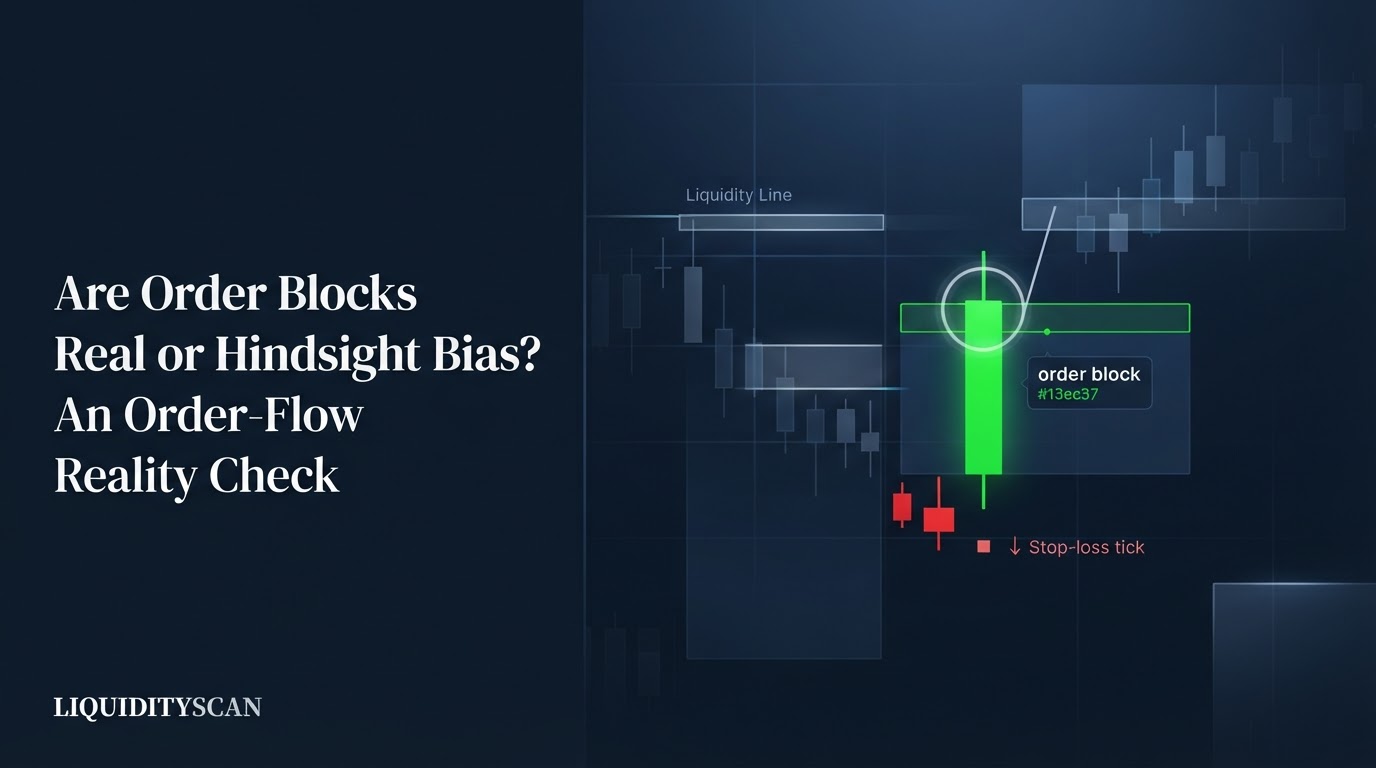
Are Order Blocks Real or Hindsight Bias? An Order-Flow Reality Check
Are order blocks real? Partly - the mechanics beneath them (order splitting, resting liquidity, stop clustering) are documented microstructure, but the pattern only carries edge under strict falsifiable rules; here is the honest case from both sides, and how to test it yourself.
Hayk Muradian·
·12 min
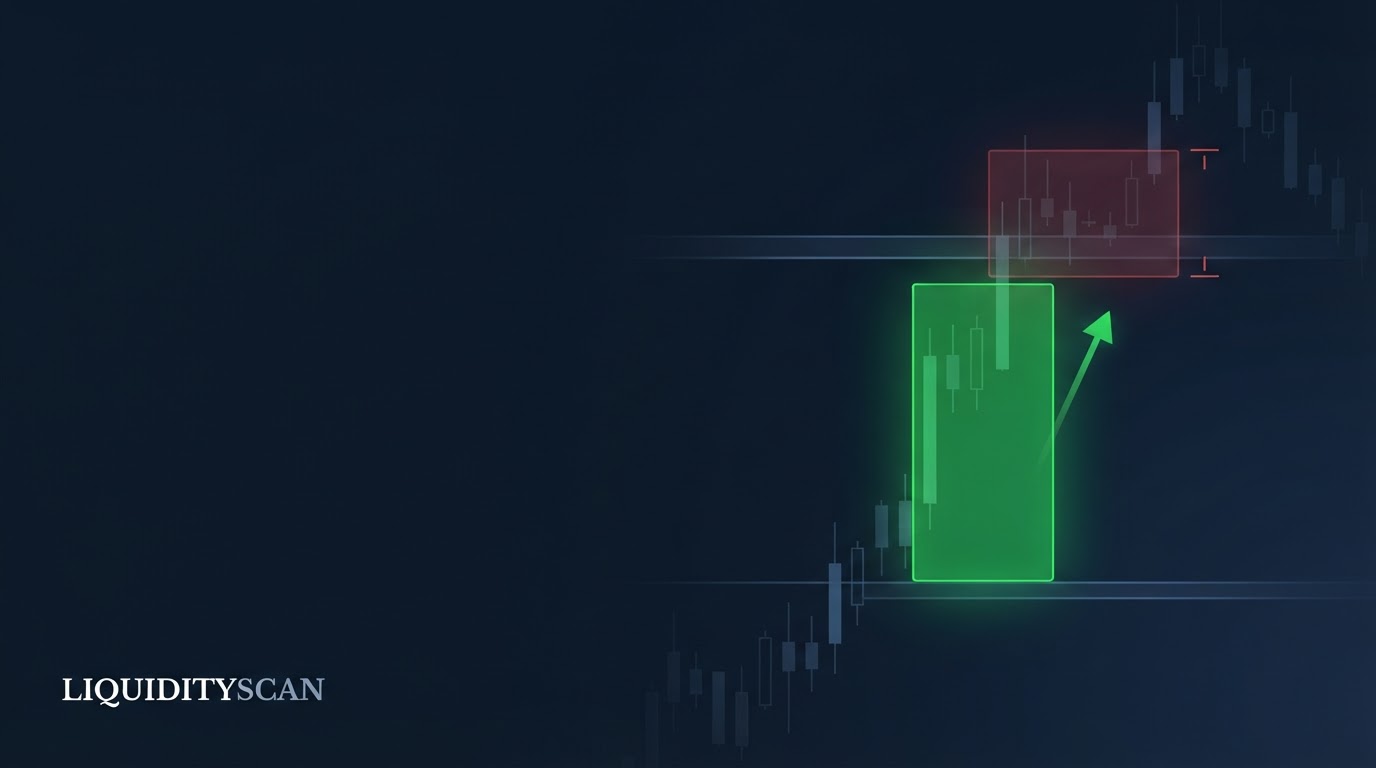
Unmitigated vs Mitigated Order Blocks: Which Ones Still Work?
An unmitigated order block — one price has never returned to — carries the highest reaction odds because the institutional orders inside it are presumed unfilled. Mitigated blocks are consumed zones: tradable only in specific second-life scenarios, and dangerous everywhere else.
Hayk Muradian·
·12 min
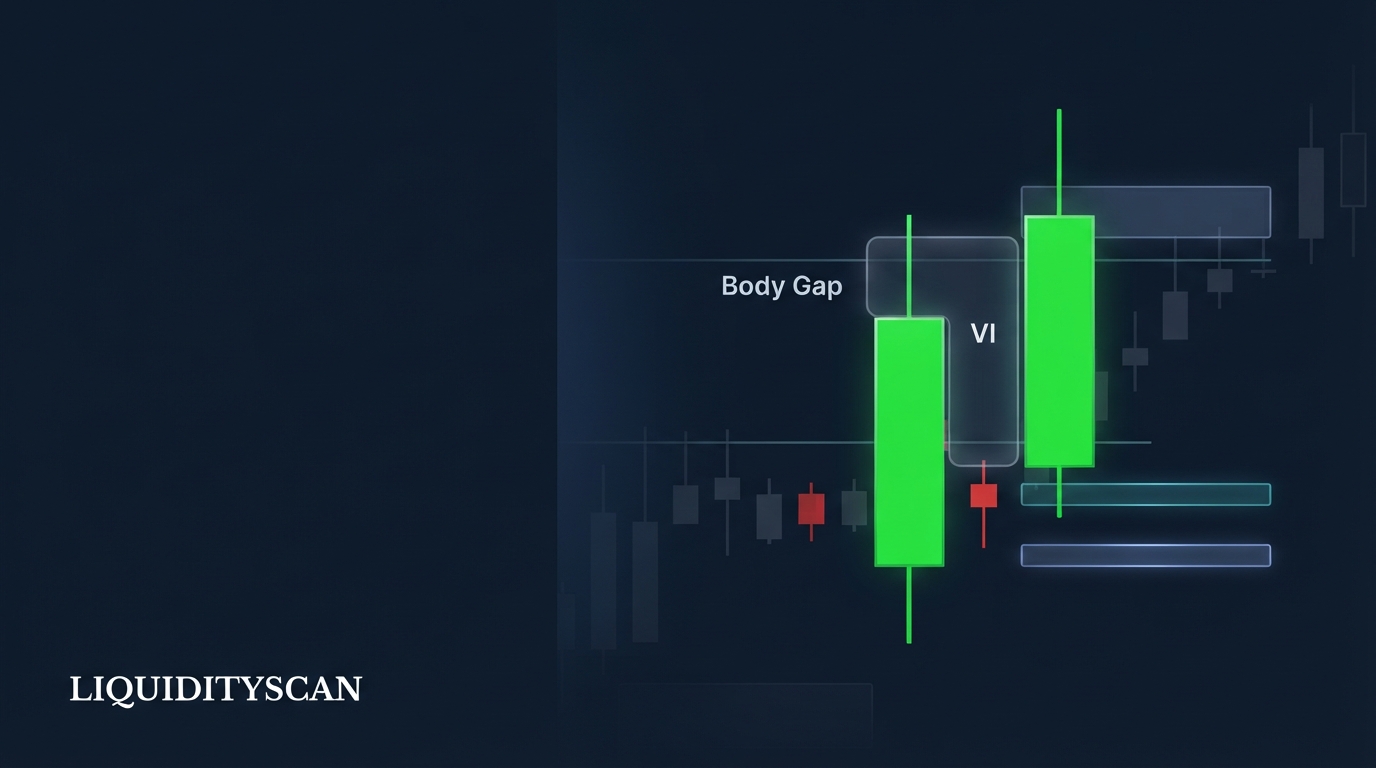
What Is a Volume Imbalance? Body Gaps vs Fair Value Gaps
A volume imbalance (VI) is a gap between two consecutive candle bodies whose wicks still overlap: price traded the range, but only in wicks, on thin one-sided volume. It is not a fair value gap, and the difference changes how you should trade both.
Hayk Muradian·
·12 min
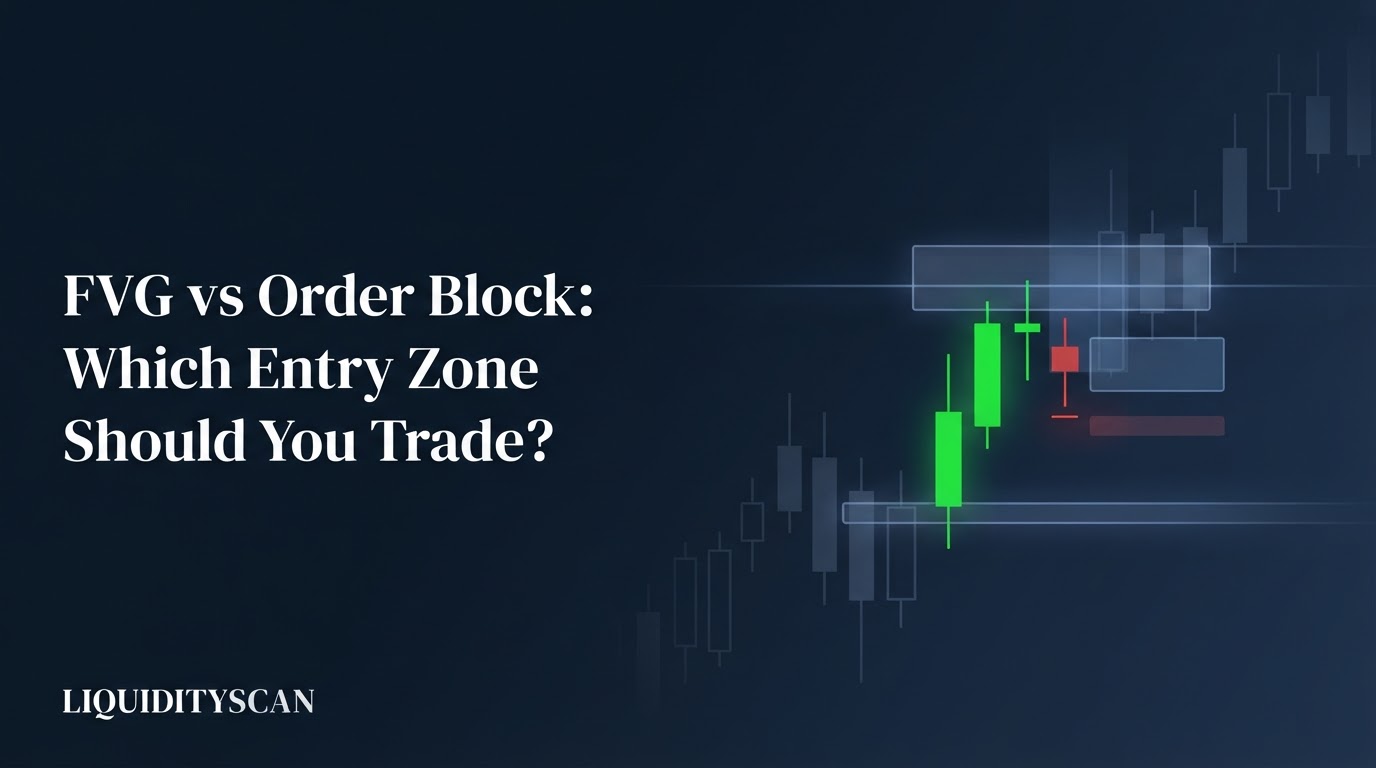
FVG vs Order Block: Which Entry Zone Should You Trade?
An order block is the last opposing candle before displacement; a fair value gap is the imbalance that displacement leaves behind. FVGs get tapped first and suit trend continuation; OBs sit deeper and shine at reversals — and the strongest entries combine both.
Hayk Muradian·
·11 min
How to Scan for Order Blocks and FVGs Automatically in Real Time
Order blocks and FVGs reduce to exact candle geometry, which makes them machine-detectable in real time. Here is what an order block scanner must check — liquidity taken, displacement, freshness, nesting — why manual scanning fails past ~30 symbols, and how to trade the alerts it produces.
Hayk Muradian·
·12 min
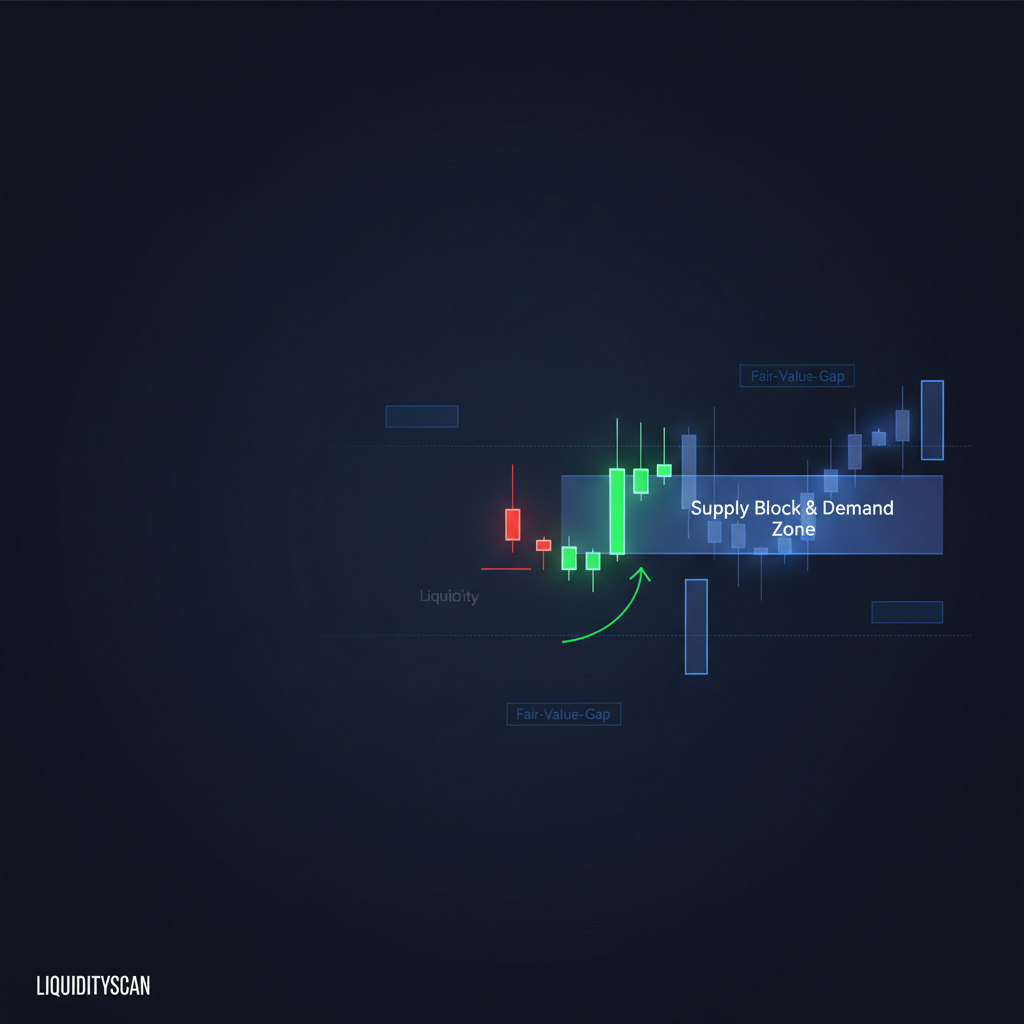
Order Block vs Supply and Demand Zone: The Real Difference
An order block is a single candle — the last opposite candle before a displacement that takes liquidity. A supply and demand zone is a basing area before an imbalanced departure. This guide compares the two constructs at chart level: drawing, validation, entries, and where they overlap.
Hayk Muradian·
·11 min
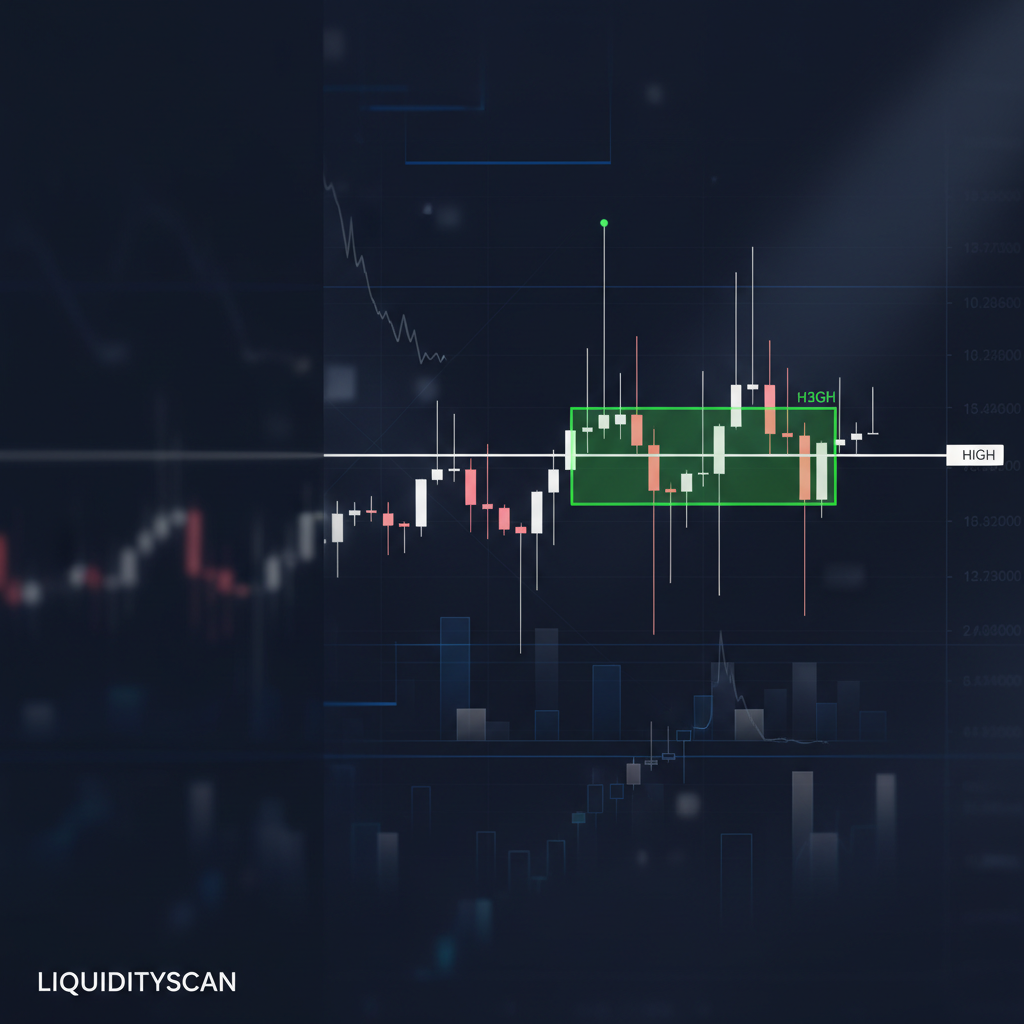
Rejection Blocks: The Wick Zone Most Traders Ignore
A rejection block is an ICT zone built from long wicks that reject a swing high or low after a liquidity run. Here is how to read and trade it.
Hayk Muradian·
·4 min
Propulsion Block: The ICT Continuation Setup
A propulsion block is an ICT continuation setup where price stacks on a fresh order block to power the next leg of a trend instead of reversing.
Hayk Muradian·
·4 min
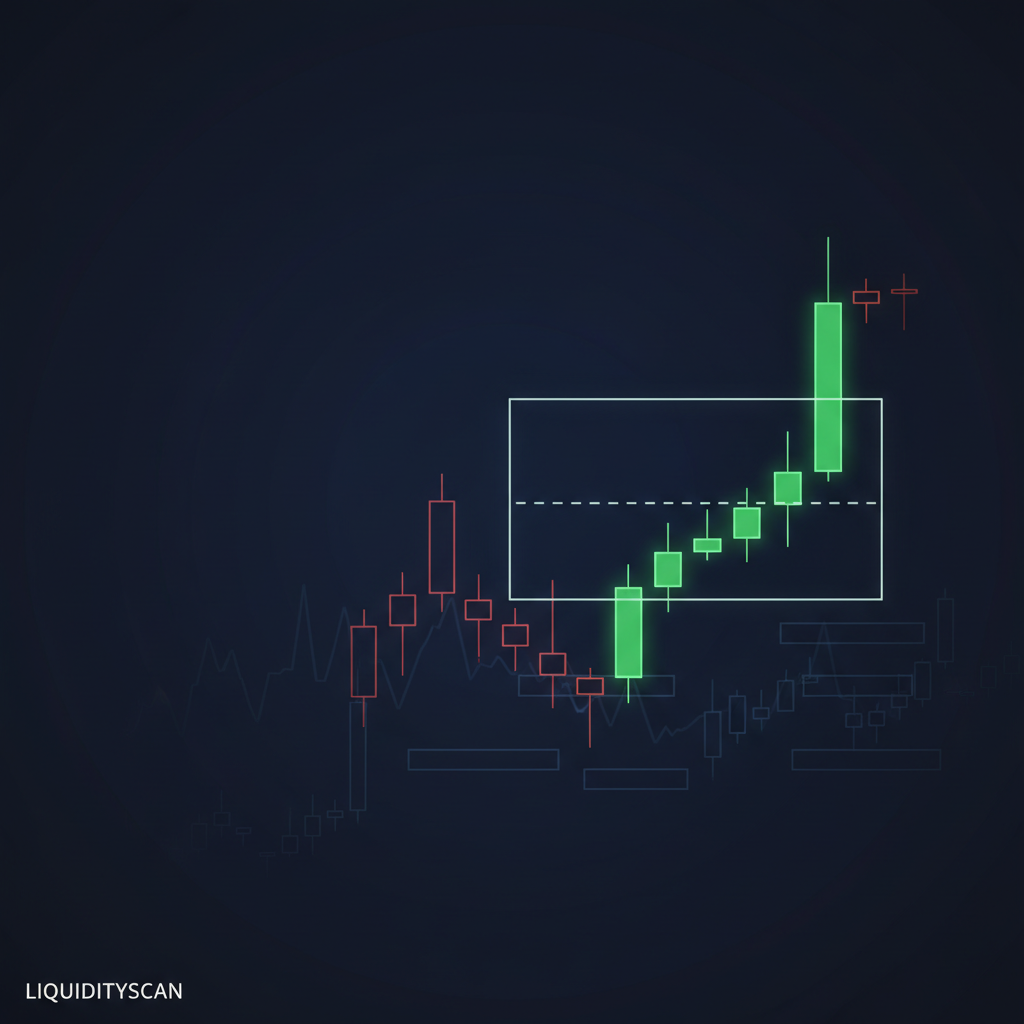
Consequent Encroachment: The One FVG Level Pros Watch
Consequent encroachment is the 50% midpoint of a Fair Value Gap — the single price level ICT traders use to refine entries and place tighter stops.
Hayk Muradian·
·4 min
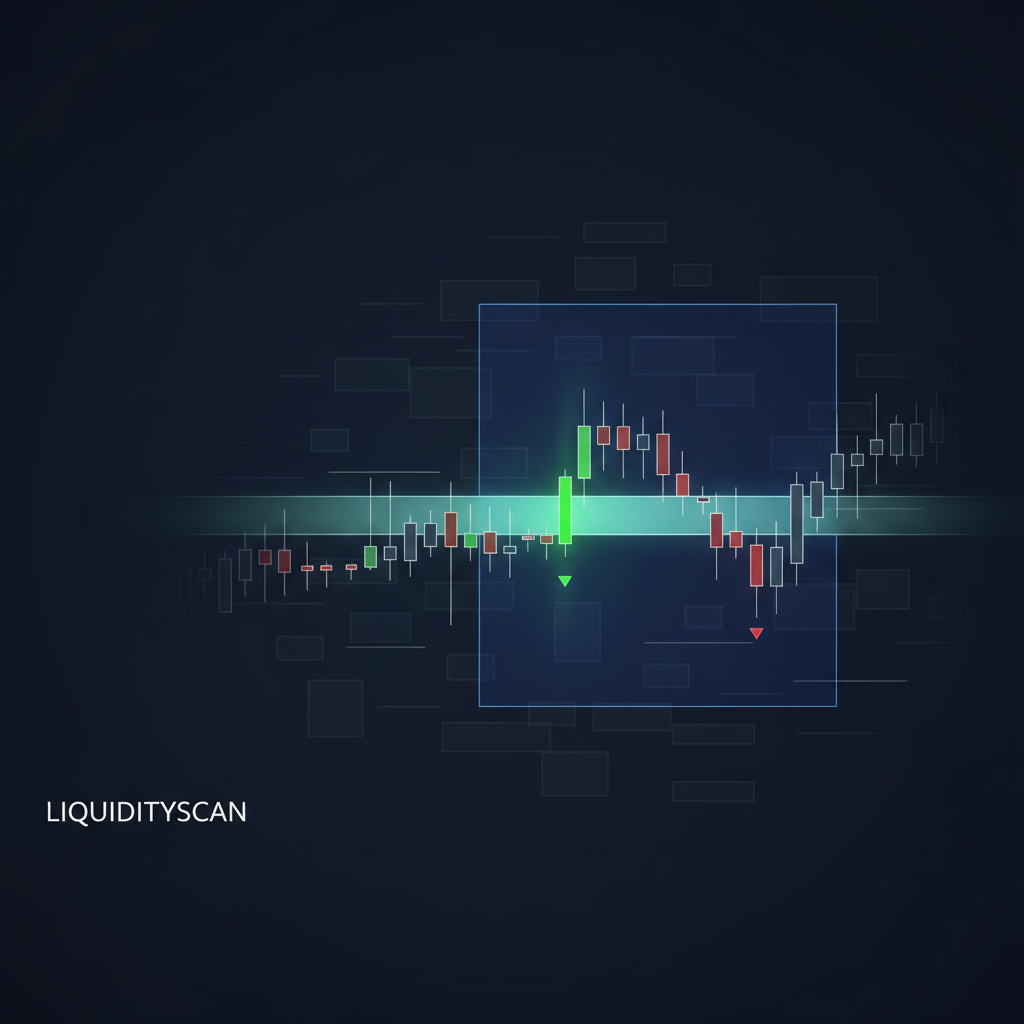
Balanced Price Range (BPR): The ICT Reversal Zone
A balanced price range is where a bullish and bearish FVG overlap, marking the exact zone ICT traders watch for institutional reversals.
Hayk Muradian·
·4 min
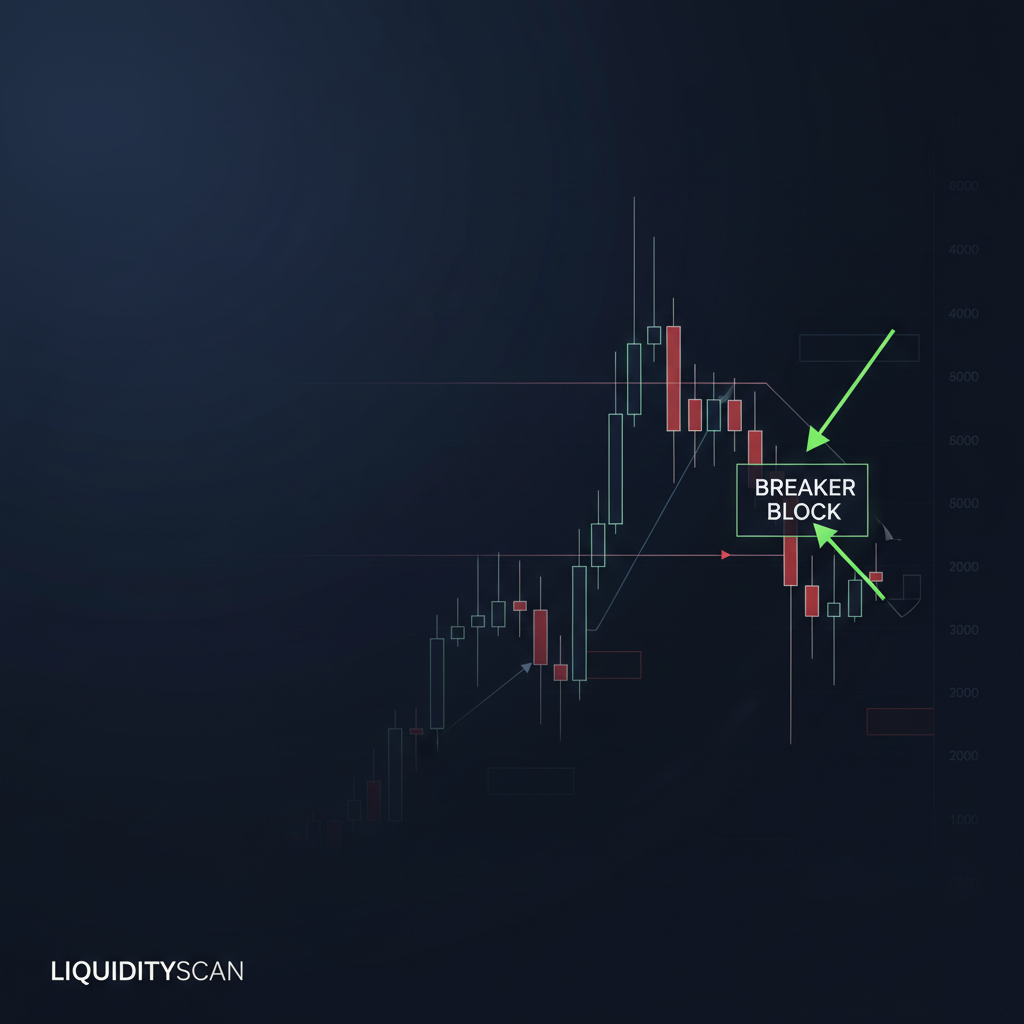
Breaker Block Explained: The ICT Reversal Entry
A breaker block is a failed order block that flips sides after price sweeps liquidity and shifts structure. Here is how it forms and how to enter.
Hayk Muradian·
·4 min
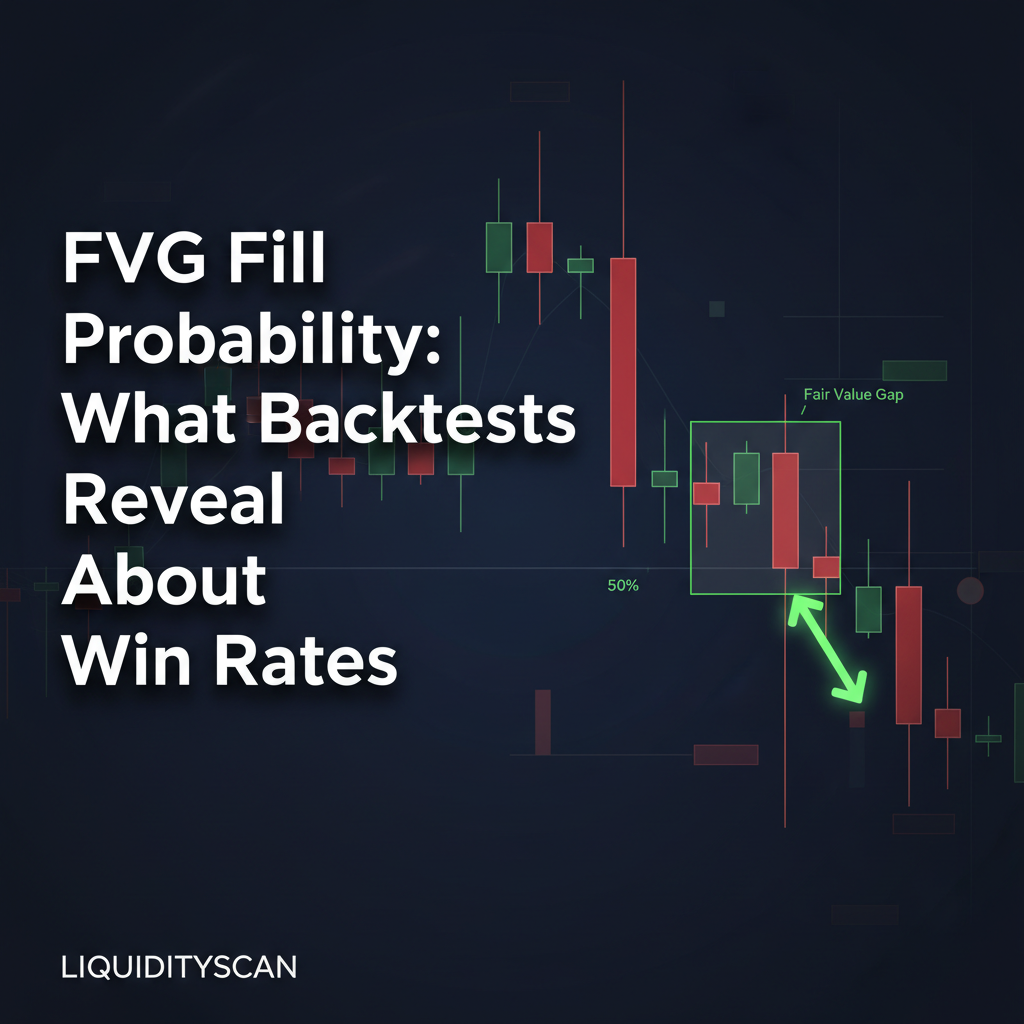
FVG Fill Probability: What Backtests Reveal About Win Rates
The fill probability of a Fair Value Gap (FVG) isn't fixed. Backtests show it's typically 40% to 60% for high-confluence setups, depending on market structure, timeframe, and liquidity.
Hayk Muradian·
·7 min
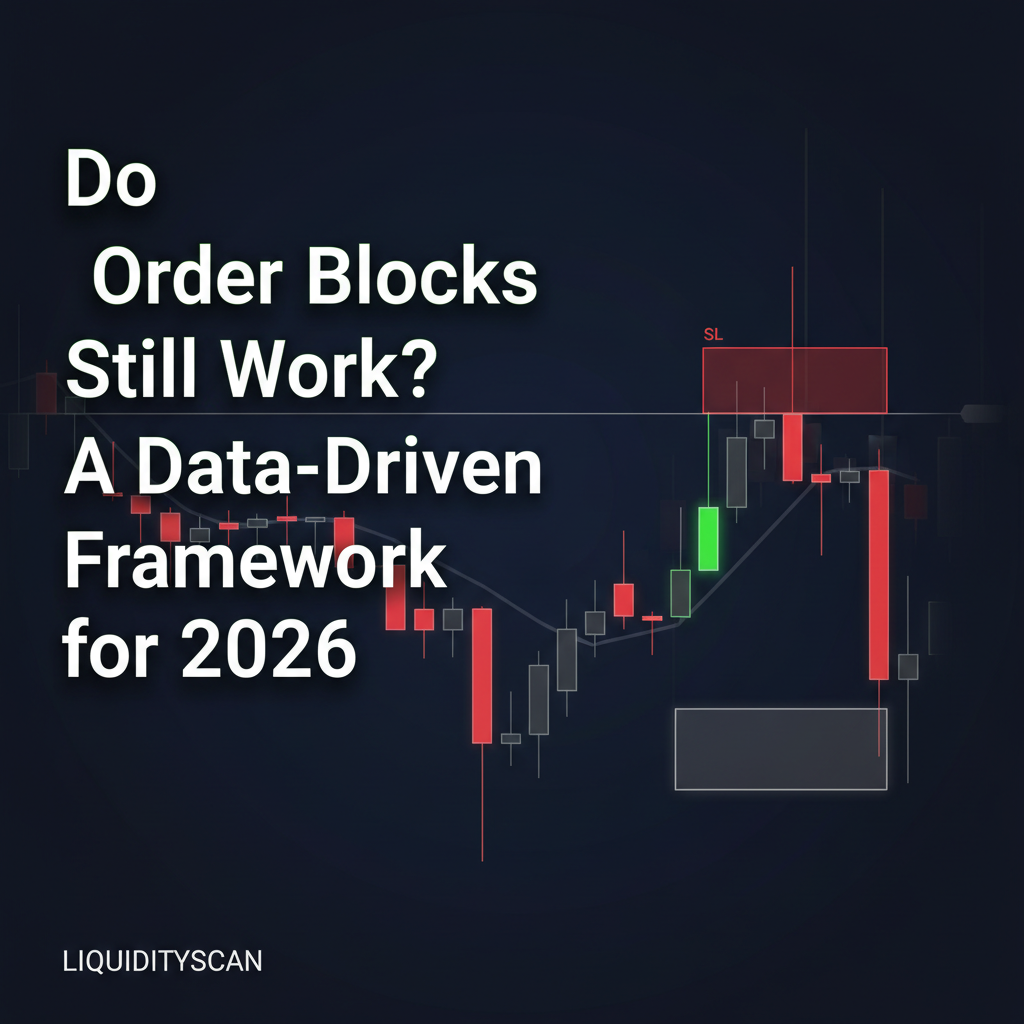
Do Order Blocks Still Work? A Data-Driven Framework for 2026
Yes, order blocks still work. But the question itself is flawed. Isolated patterns fail constantly. Success depends on a rigorous framework of context: liquidity sweeps, displacement, and higher-timeframe narrative. Here's how to qualify them.
Hayk Muradian·
·6 min
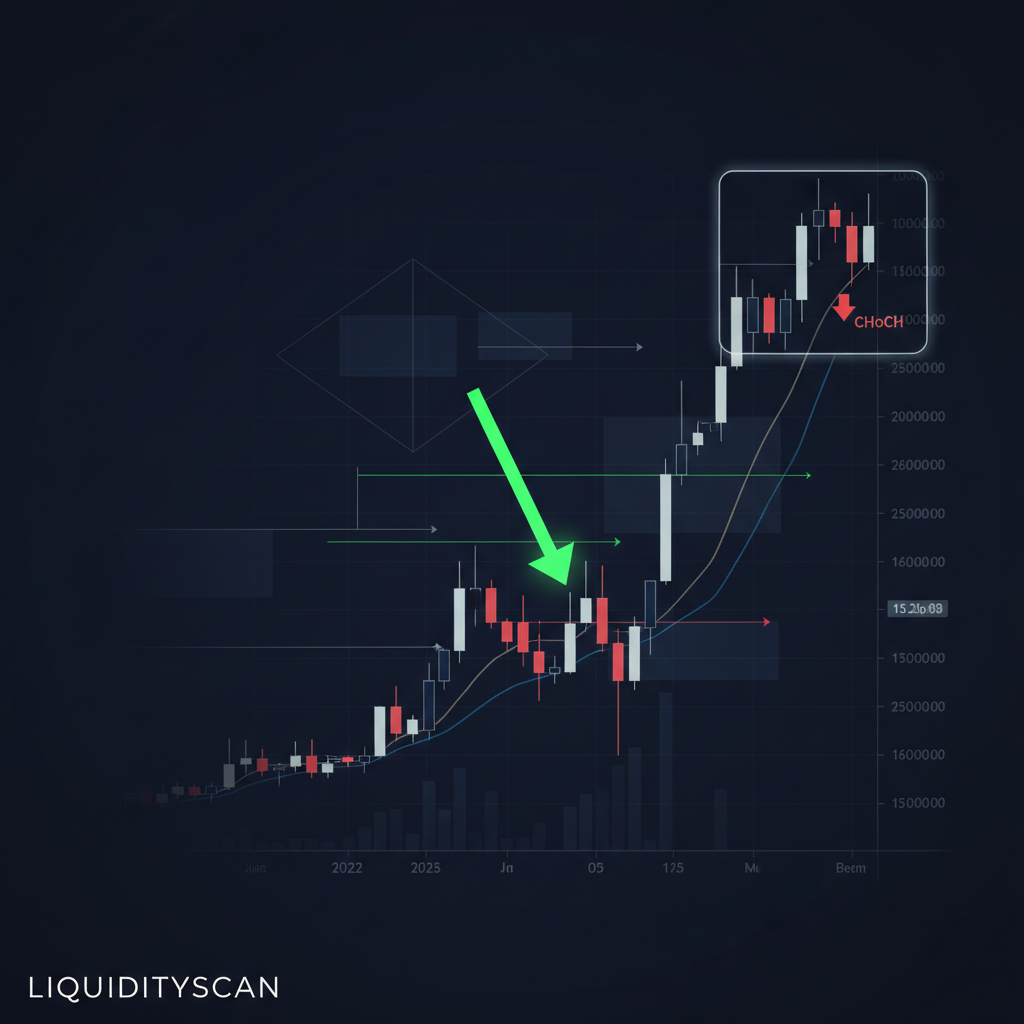
Validating FVG with Order Flow: A Professional's Guide
Not all Fair Value Gaps are created equal. The difference between a high-probability reversal and a trap lies in the order flow. Here’s how to validate an FVG by reading the tape, not just the pattern.
Hayk Muradian·
·6 min
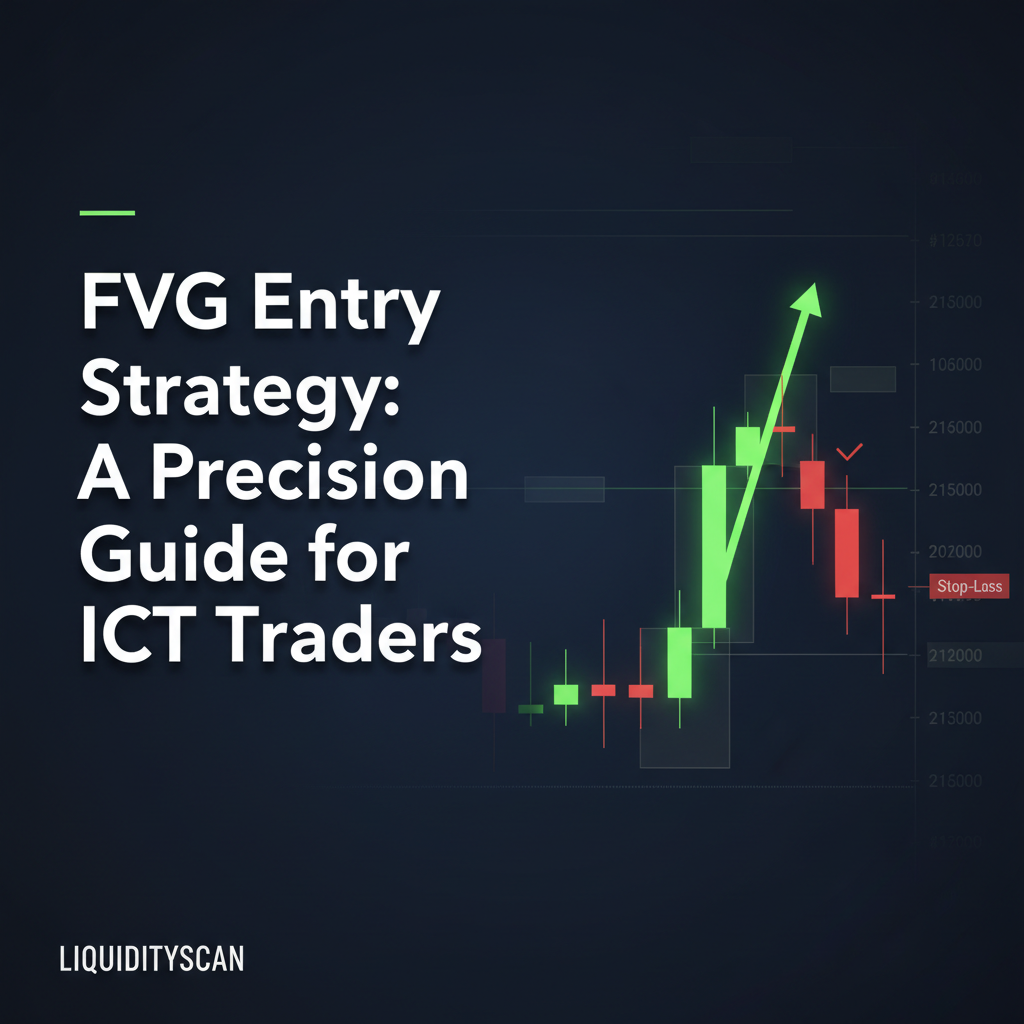
FVG Entry Strategy: A Precision Guide for ICT Traders
FVG Entry Strategy: A Precision Guide for ICT Traders
Hayk Muradian·
·6 min
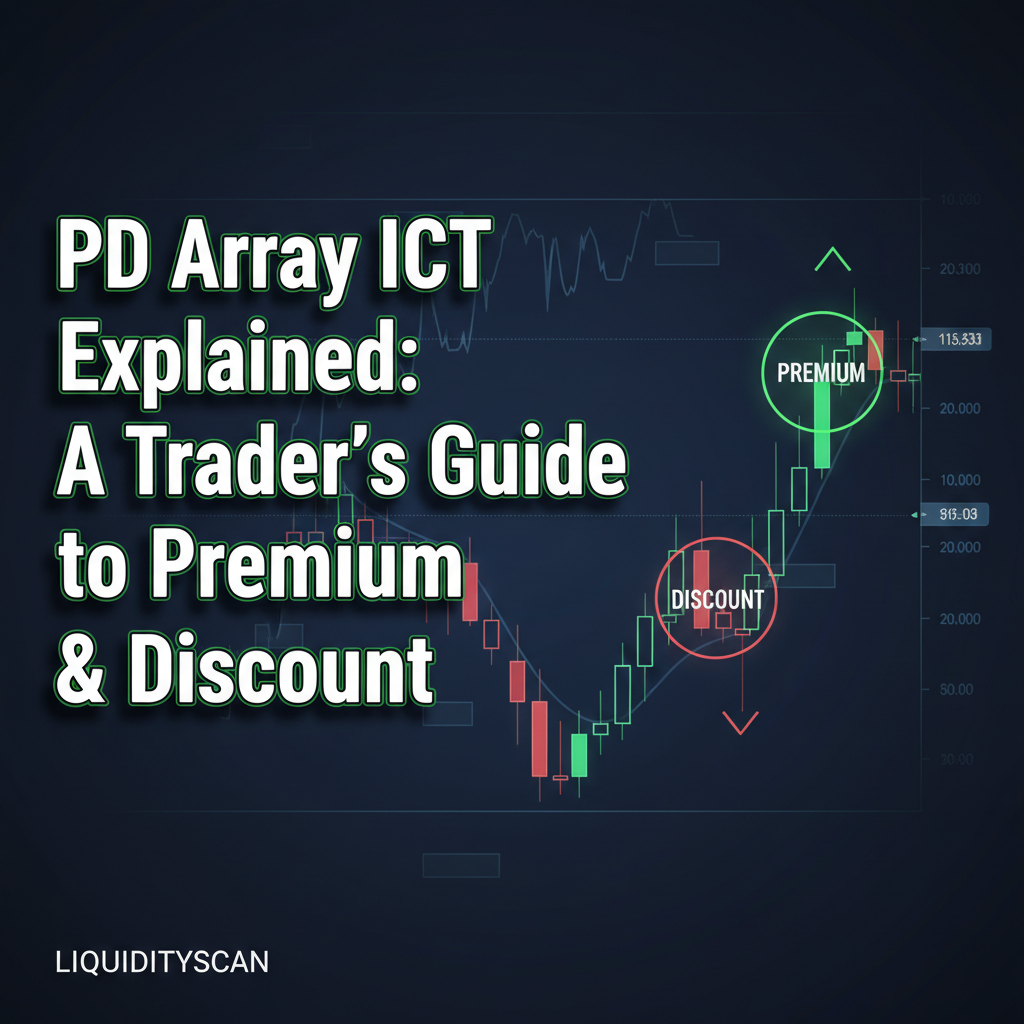
PD Array ICT Explained: A Trader's Guide to Premium & Discount
PD Array ICT Explained: A Trader's Guide to Premium & Discount
Hayk Muradian·
·6 min
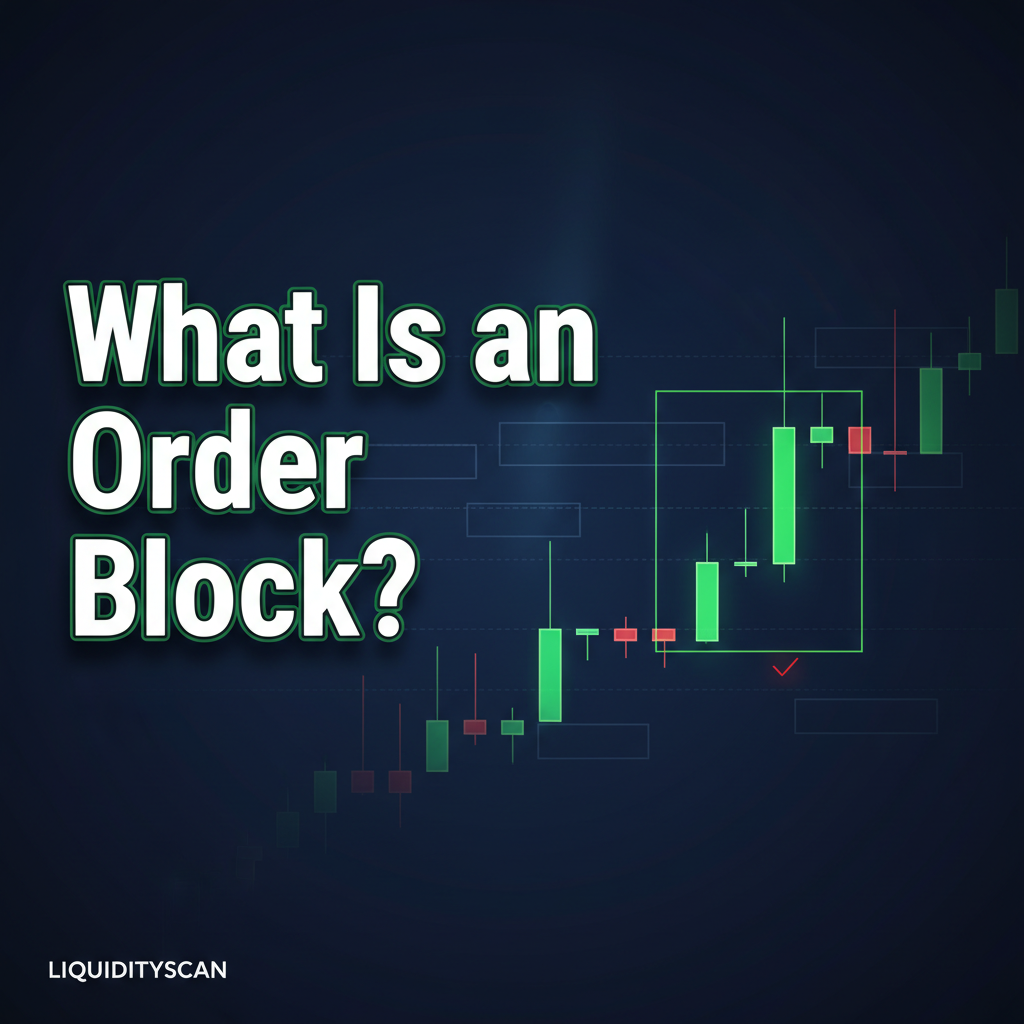
What Is an Order Block?
What Is an Order Block?
Hayk Muradian·
·5 min
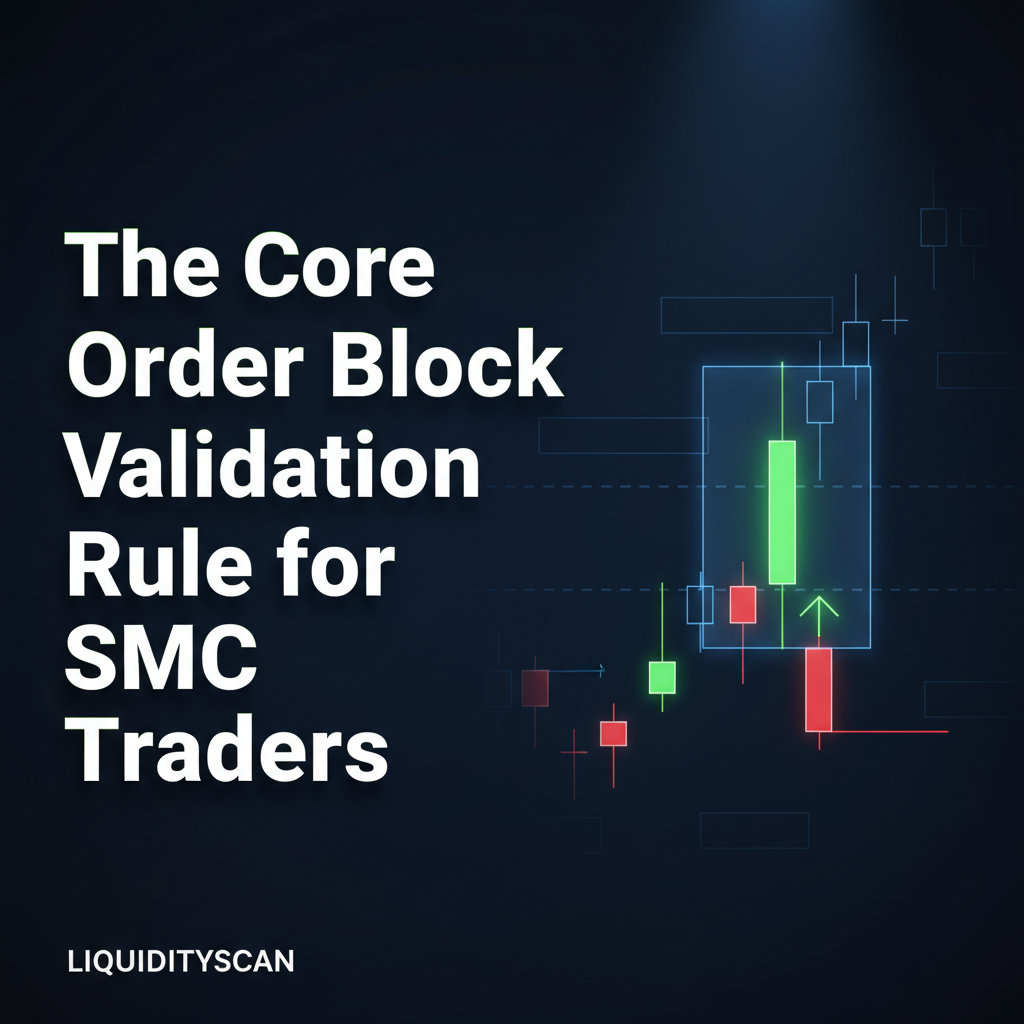
The Core Order Block Validation Rule for SMC Traders
The Core Order Block Validation Rule for SMC Traders
Hayk Muradian·
·5 min
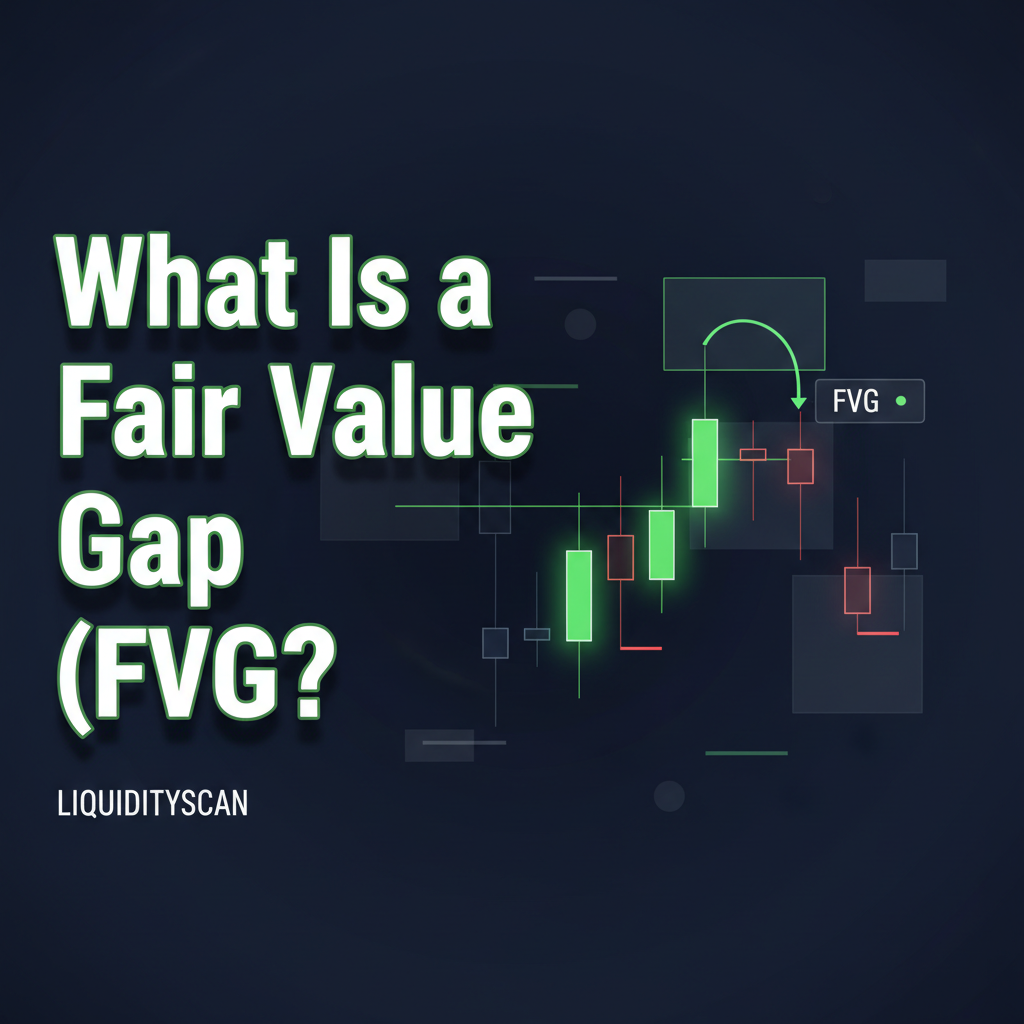
What Is a Fair Value Gap (FVG)?
What Is a Fair Value Gap (FVG)?
Hayk Muradian·
·4 min

Mitigation Block vs Breaker Block: The One Difference That Matters
Mitigation Block vs Breaker Block: The One Difference That Matters
Hayk Muradian·
·5 min
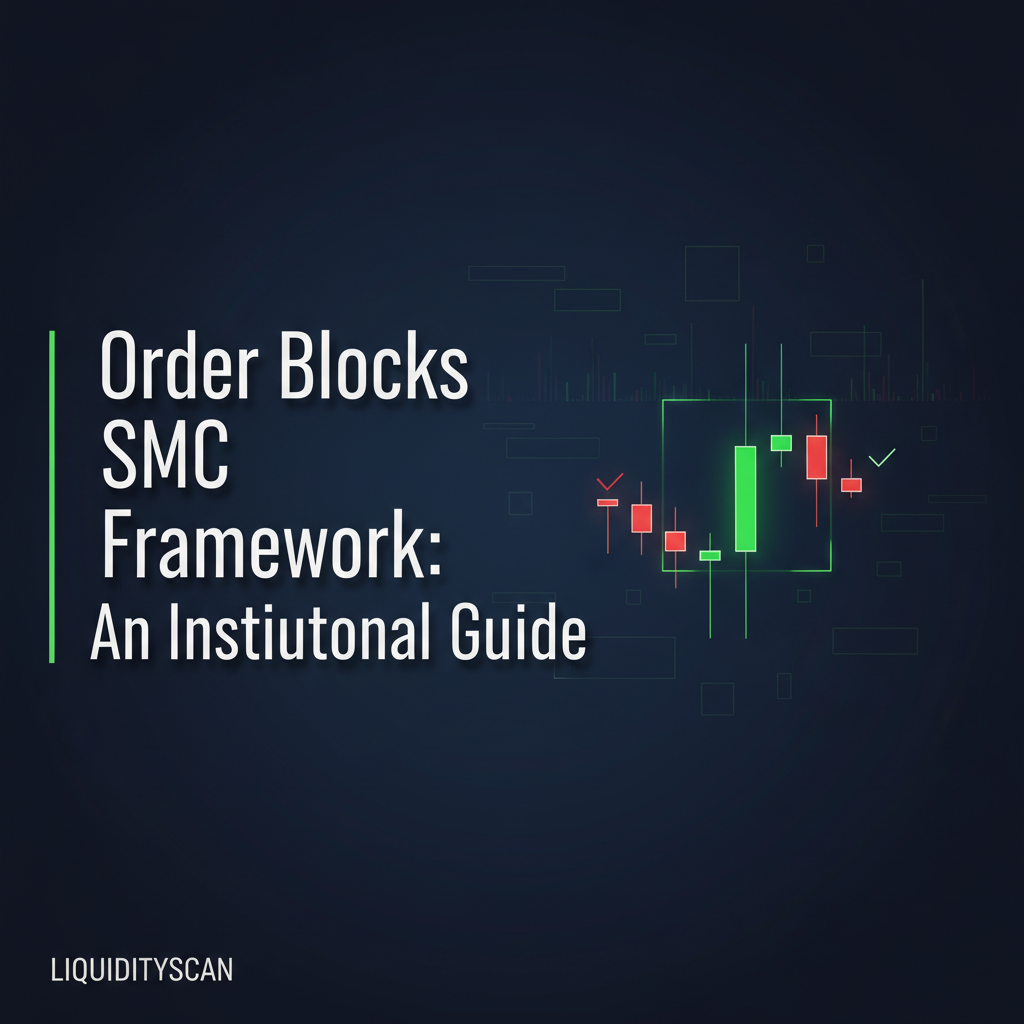
Order Blocks SMC Framework: An Institutional Guide
Order Blocks SMC Framework: An Institutional Guide
Hayk Muradian·
·21 min
Not trading advice. LiquidityScan publishes educational content for informational purposes only. Trading involves substantial risk of loss.