▸ LIQUIDITYSCAN RESEARCH
The Blog
Institutional analysis for ICT and Smart Money traders — order flow, liquidity, structural patterns.
Trading Psychology for ICT Traders: Mastering Discipline and Emotion
Two traders run the identical ICT model and get opposite results. The difference is not the setup; it is execution under emotion. Trading psychology is the edge that survives drawdown.
 Hayk Muradian·
·10 min
Hayk Muradian·
·10 min
How Much Should You Risk Per Trade? The 1% and 2% Rule Explained
Most professional traders risk 0.5-2% of account equity per trade, and 1% is the common default because it lets you survive a long losing streak intact. Here is the survival math behind that number and how to set your own.
Hayk Muradian·
·10 min
The Midnight Open in ICT: Why 00:00 EST Anchors the Daily Range
The ICT midnight open is the price at exactly 00:00 America/New_York — the reference the delivery algorithm uses to reset the trading day. It splits the session into premium above and discount below, framing your directional bias before London or New York moves.
Hayk Muradian·
·10 min
How to Calculate Position Size for an ICT Trade (Step-by-Step)
Position size = (account x risk%) divided by stop distance. Fix your dollar risk, measure the distance from entry to your structural invalidation, then divide. The stop sets the size, not leverage.
Hayk Muradian·
·10 min
Kill Zone vs Macro vs Silver Bullet: How ICT's Time Windows Nest
They are not competing tools. A kill zone is the 2-3 hour session window you watch, a macro is a ~20-minute run inside it, and the silver bullet is one macro-timed FVG setup that lives inside the kill zone.
Hayk Muradian·
·11 min
Does the Silver Bullet Strategy Actually Work?
The Silver Bullet can work, but not because of the clock. The one-hour window is only a filter. The real edge lives in HTF bias, a genuine liquidity sweep, and displacement into the FVG entry. Traded mechanically with no filters, it is mediocre.
Hayk Muradian·
·10 min
The London Close Kill Zone: How to Trade the 10-12 EST Reversal Window
The London close kill zone runs roughly 10:00-12:00 EST, when European desks square positions and the New York AM move often reverses toward equilibrium. It is a mean-reversion window, not a continuation one.
Hayk Muradian·
·10 min
Why Does the Market Reverse Right After the Open? The Time-Based Manipulation Logic
The session open is the moment the most orders rest on the book — overnight stops, breakout orders, retail chasing the first candle. The algorithm runs an initial move to trigger that liquidity, then reverses toward the true daily direction. That false push is the Judas swing.
Hayk Muradian·
·10 min
ICT Day-of-Week Tendencies: Why Tuesday and Wednesday Set the Weekly High or Low
In ICT, the weekly high or low tends to form on Tuesday or Wednesday during the London session — not Monday's quiet range or Friday's fade. Knowing when the weekly extreme prints lets you position toward the draw for the rest of the week.
Hayk Muradian·
·10 min
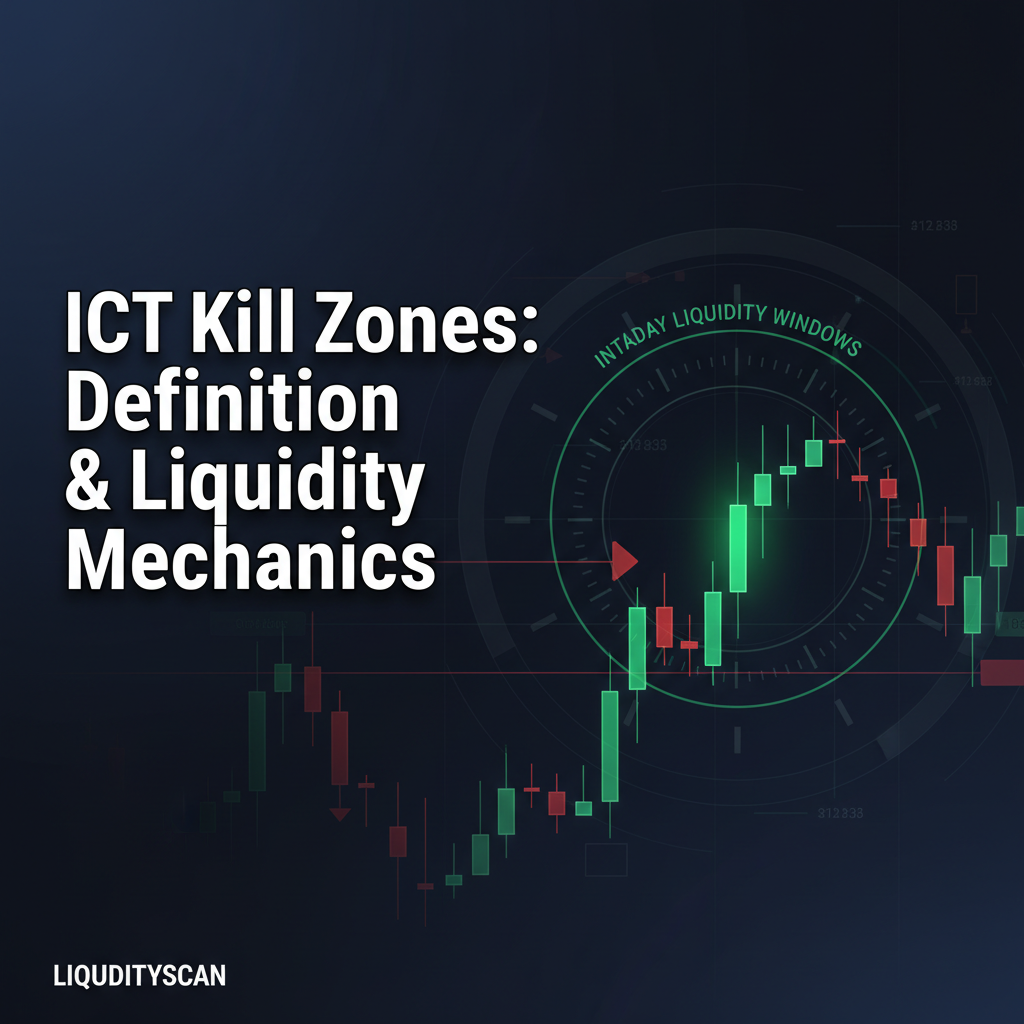
ICT Kill Zones: Definition & Liquidity Mechanics
ICT kill zones are the daily time windows where institutional order flow concentrates. Here's what they are and why they produce sweeps.
Hayk Muradian·
·4 min
Do ICT Kill Zones Still Work in 2026? A Data-Driven Reality Check
The volatility is real; the clock is not the edge. Session opens still concentrate institutional liquidity, but kill zones only produce expectancy when paired with HTF alignment and a liquidity narrative — not traded blindly by the hour.
Hayk Muradian·
·10 min
ICT Trading Sessions Explained: The Algorithmic Day, Hour by Hour
ICT trading sessions split the day into Asia, London, and New York blocks that each play a fixed role: Asia builds a range, London runs the first manipulation, and New York delivers the real move. Trade the schedule, not just the level.
Hayk Muradian·
·11 min

ICT Position Sizing: Risk, R-Multiples & Consistency
ICT position sizing turns risk into a fixed input. Risk one percent, think in R-multiples, and let tight liquidity-based stops size the trade for you.
Hayk Muradian·
·4 min

Why ICT Setups Need Both Time and Price
ICT time and price theory says a level only matters when it aligns with a timing window. Here is how the two halves combine into one clean setup.
Hayk Muradian·
·5 min
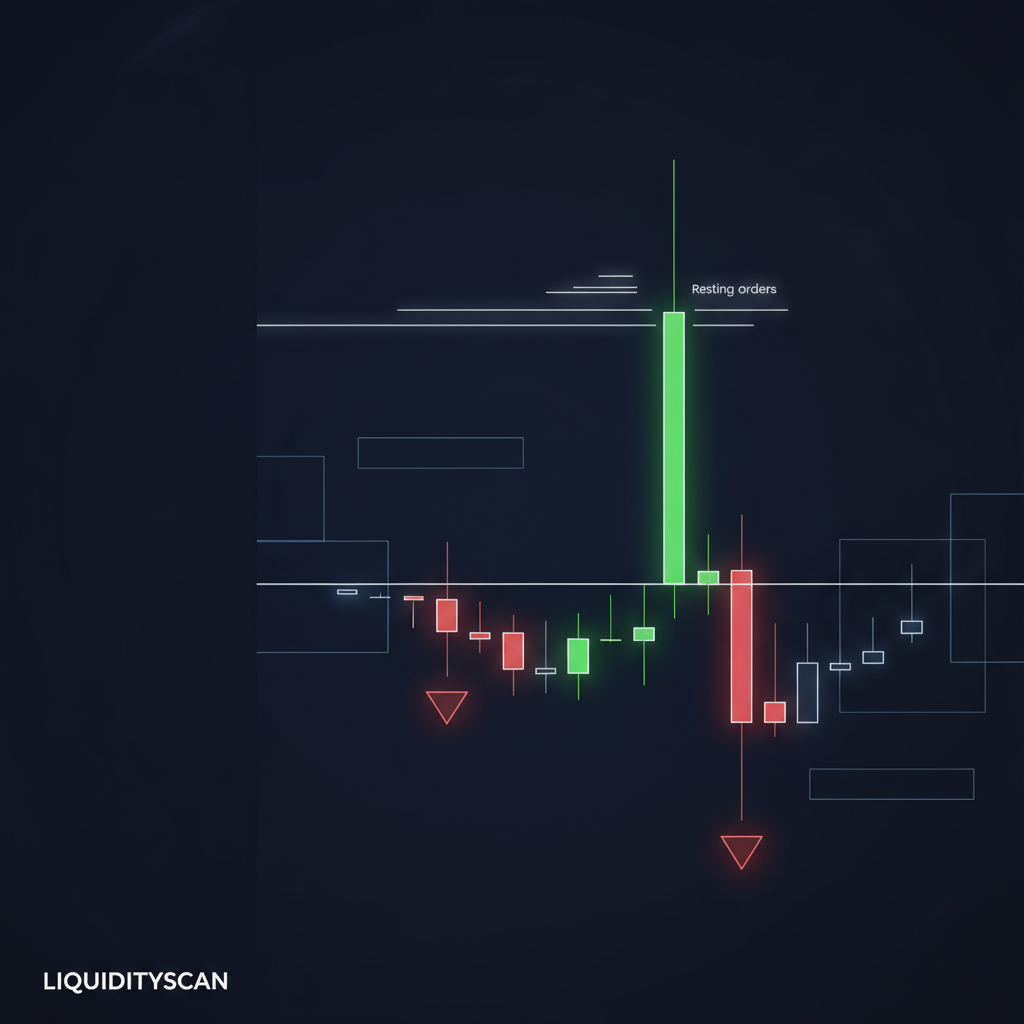
ICT News Trading: Discipline Around High-Impact Events
ICT news trading isn't about predicting the number. It's about letting NFP, FOMC and CPI run stops first, then reacting to structure.
Hayk Muradian·
·4 min

ICT vs Supply and Demand: What's the Difference?
ICT vs supply and demand isn't a rivalry — they read the same imbalance, but ICT adds liquidity, timing, and an algorithmic narrative on top.
Hayk Muradian·
·5 min
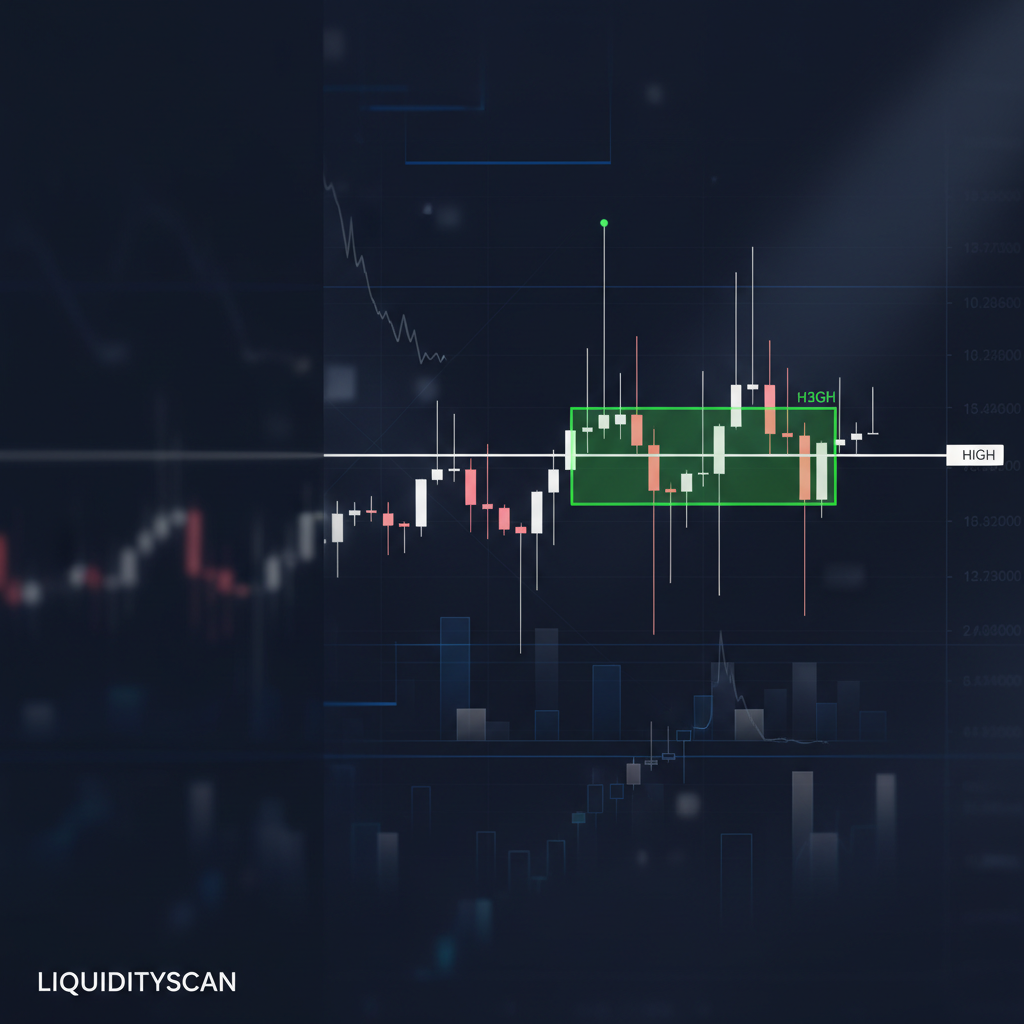
Rejection Block in ICT: Trading Wick Reversals
A rejection block is an ICT zone built from long wicks that reject a swing high or low after a liquidity run. Here is how to read and trade it.
Hayk Muradian·
·4 min
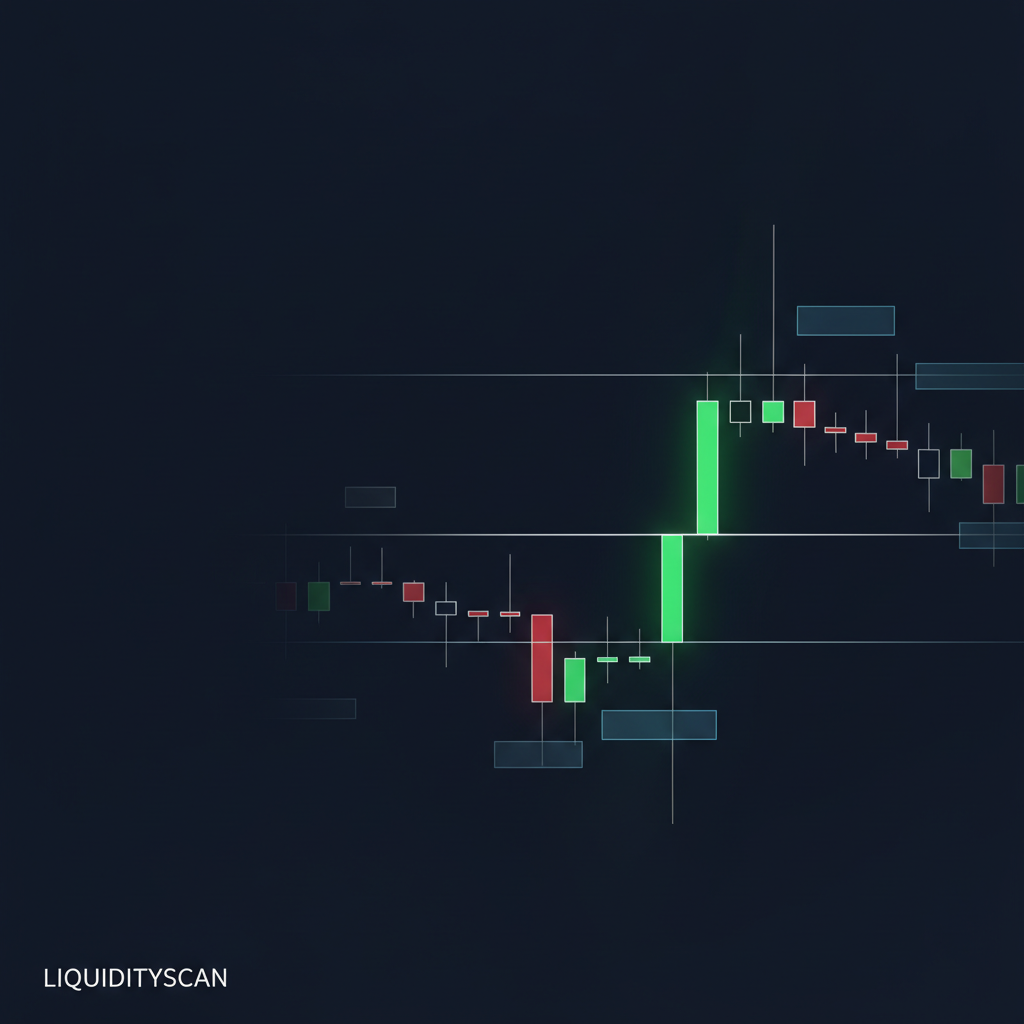
Displacement in ICT: Reading Institutional Intent
Displacement is the ICT footprint of institutional order flow: a fast, wide move that shifts structure and leaves a fair value gap behind it.
Hayk Muradian·
·4 min
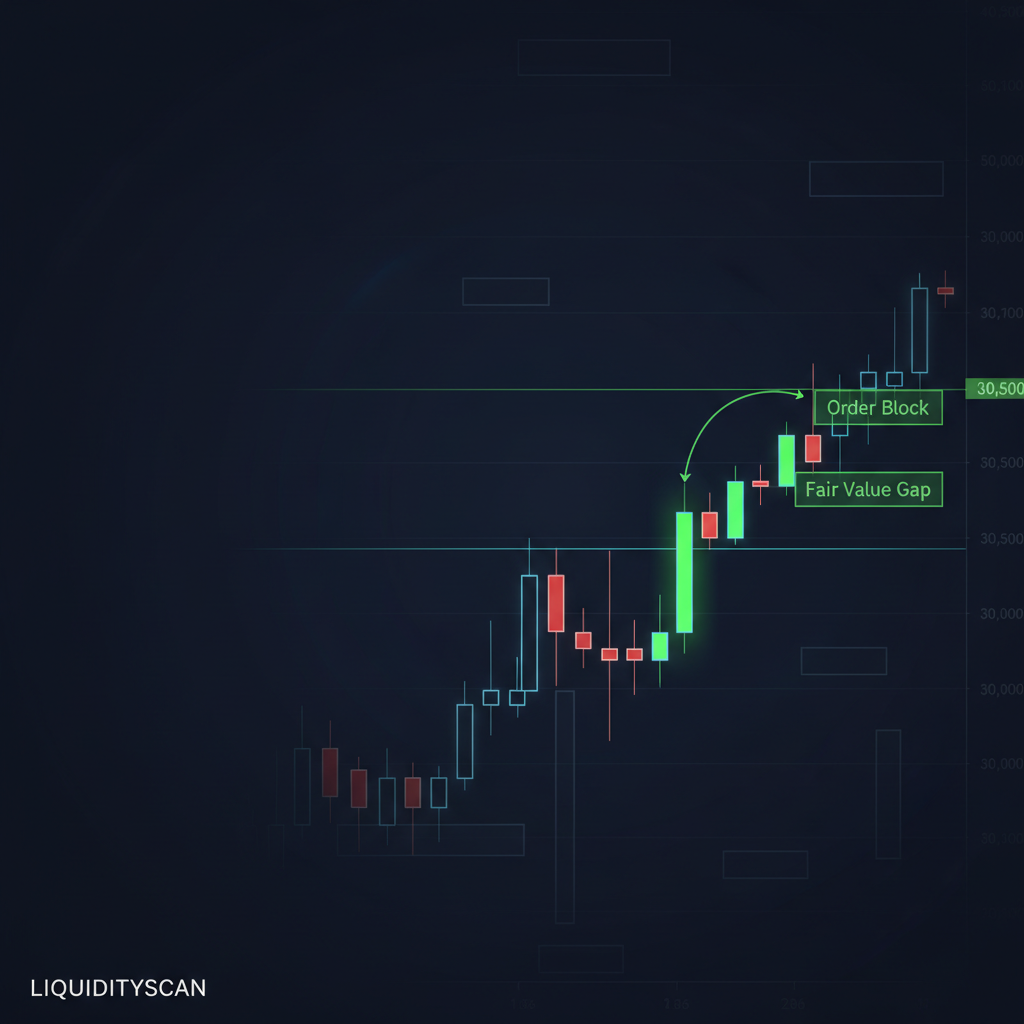
Does ICT Work on Crypto? SMC for Bitcoin
ICT crypto trading works on Bitcoin because the same liquidity mechanics drive price, but the 24/7 market forces you to adapt sessions and kill zones.
Hayk Muradian·
·5 min
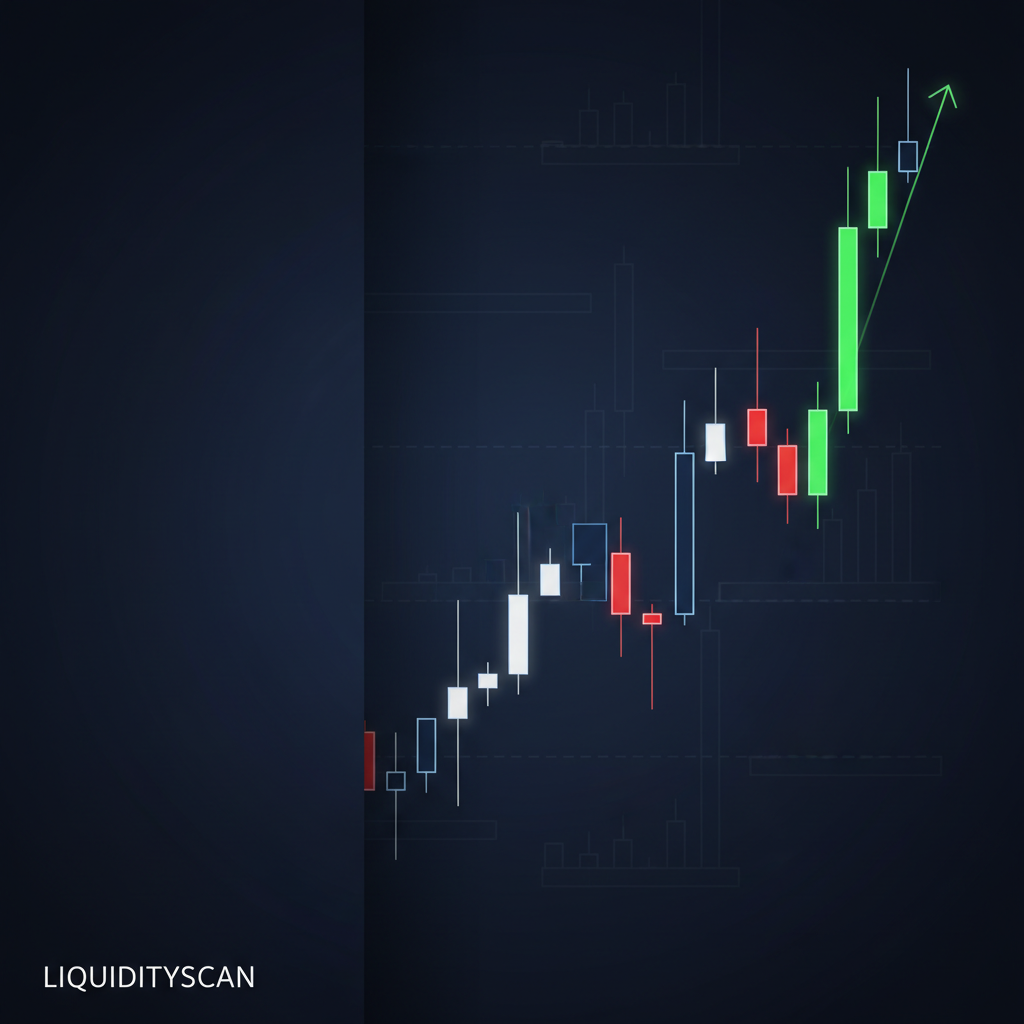
Propulsion Block: The ICT Continuation Setup
A propulsion block is an ICT continuation setup where price stacks on a fresh order block to power the next leg of a trend instead of reversing.
Hayk Muradian·
·4 min
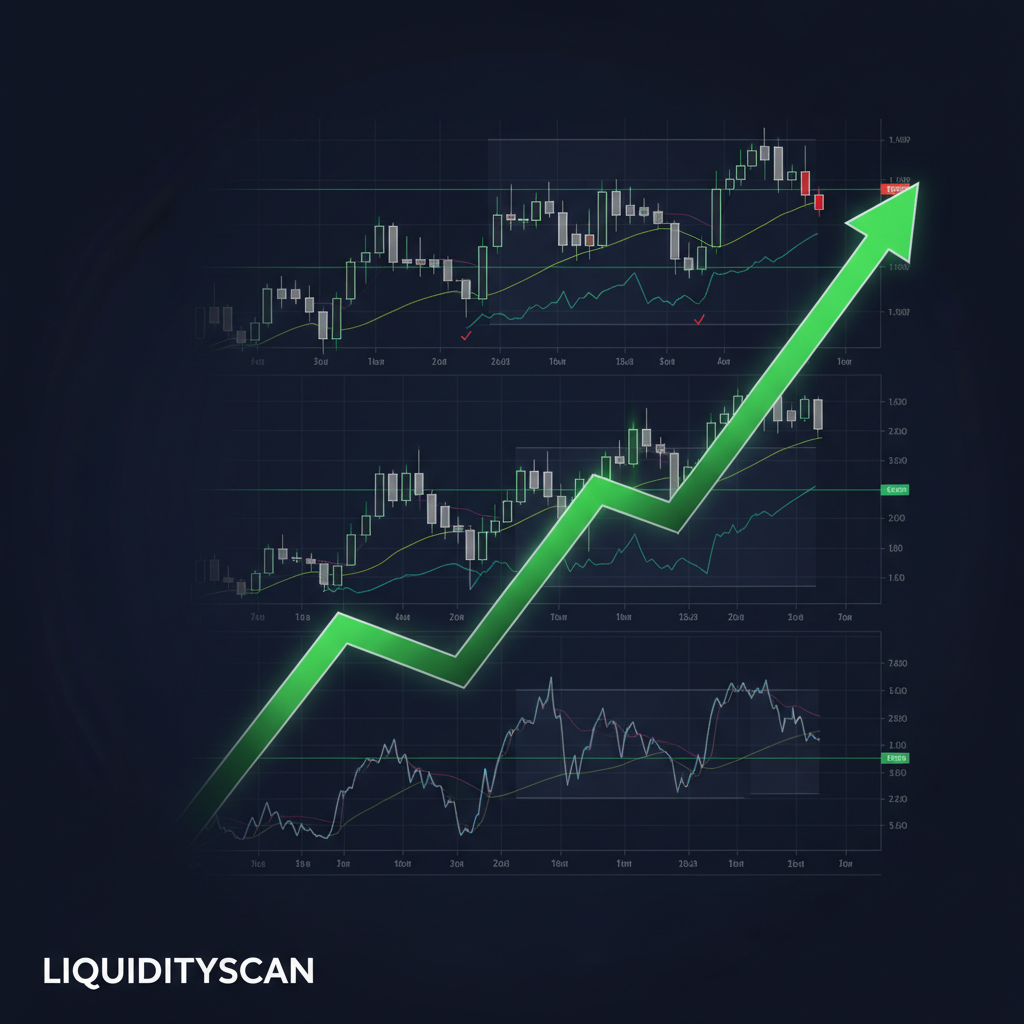
ICT Top-Down Analysis: Multi-Timeframe Alignment
ICT top-down analysis stacks timeframes so higher-timeframe bias, intermediate liquidity, and a refined lower-timeframe entry all point the same way.
Hayk Muradian·
·5 min
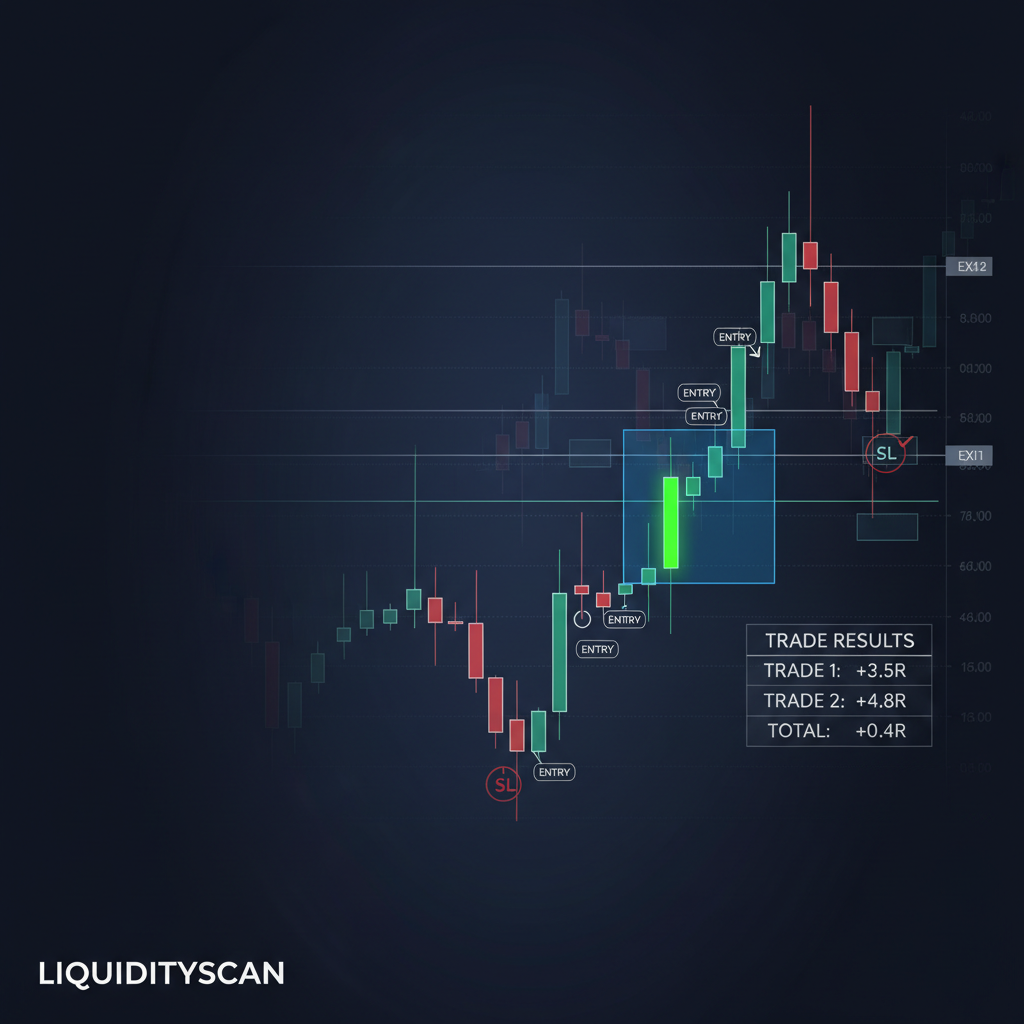
How to Backtest an ICT Strategy the Right Way
A proper backtest turns "this setup feels good" into numbers you can trust. Here is how to backtest an ICT strategy without fooling yourself.
Hayk Muradian·
·5 min
ICT Quarterly Theory: Time-Based Market Cycles
ICT quarterly theory splits time into four repeating quarters. Learn the fractal cycles, the True Open reference, and how AMD unfolds inside each window.
Hayk Muradian·
·5 min

IPDA Explained: ICT's Price Delivery Algorithm
IPDA is ICT's shorthand for an algorithmic price-delivery engine that seeks liquidity and rebalances inefficiency across defined lookback ranges.
Hayk Muradian·
·5 min

The ICT Unicorn Model: Breaker + FVG Confluence
The ICT unicorn model stacks a breaker block over a Fair Value Gap after a liquidity sweep and market structure shift for a high-probability entry zone.
Hayk Muradian·
·4 min
NWOG & NDOG: Trading ICT Opening Gaps
The New Week Opening Gap and New Day Opening Gap are institutional reference points. Here is how ICT traders read and trade these opening gaps.
Hayk Muradian·
·5 min

Consequent Encroachment: The 50% FVG Rule
Consequent encroachment is the 50% midpoint of a Fair Value Gap — the single price level ICT traders use to refine entries and place tighter stops.
Hayk Muradian·
·4 min
Equal Highs & Equal Lows (EQH/EQL): Engineered Liquidity
Equal highs and equal lows are matched swing points that stack resting stops, forming a liquidity magnet price is drawn to sweep.
Hayk Muradian·
·4 min

CBDR & Standard Deviations: ICT Range Projection
The central bank dealers range (CBDR) turns a quiet overnight box into projected standard-deviation targets you can trade toward the next session.
Hayk Muradian·
·5 min

Balanced Price Range (BPR): The ICT Reversal Zone
A balanced price range is where a bullish and bearish FVG overlap, marking the exact zone ICT traders watch for institutional reversals.
Hayk Muradian·
·4 min
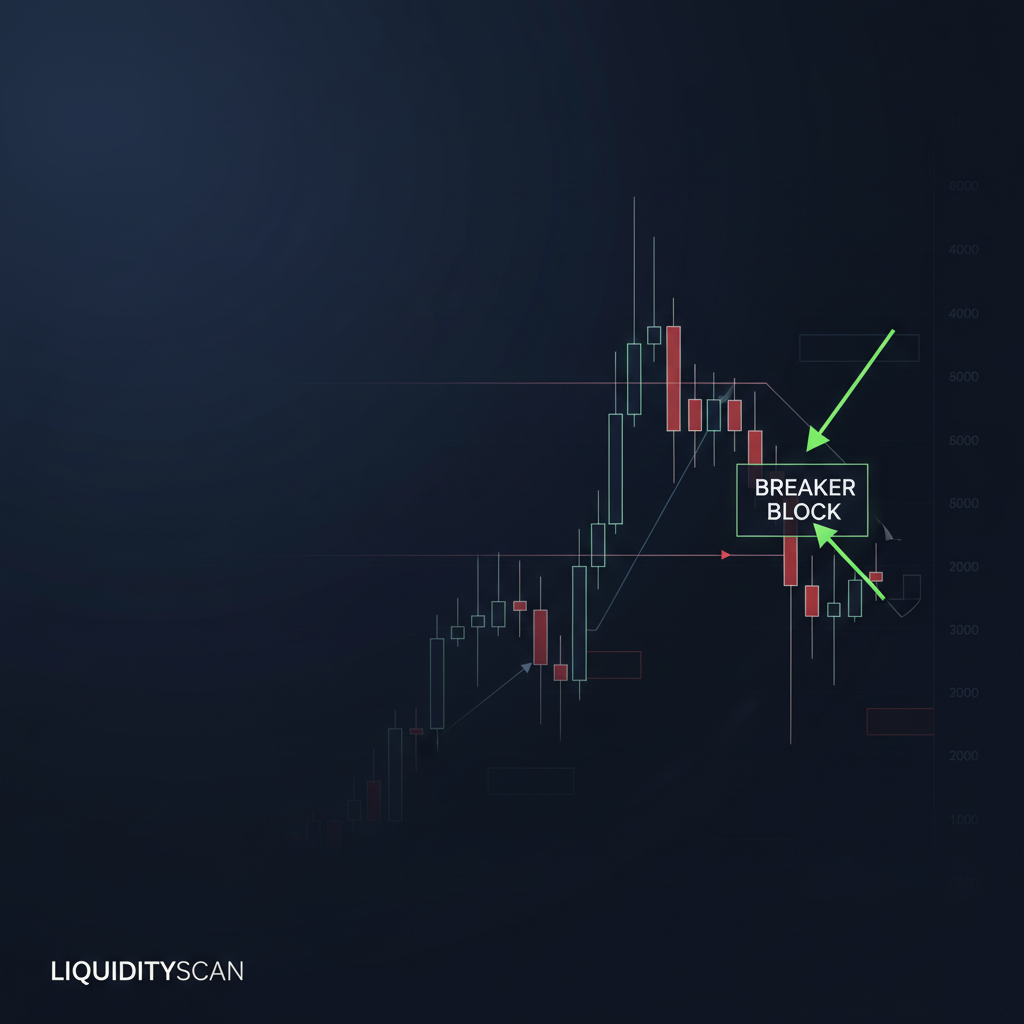
Breaker Block Explained: The ICT Reversal Entry
A breaker block is a failed order block that flips sides after price sweeps liquidity and shifts structure. Here is how it forms and how to enter.
Hayk Muradian·
·4 min
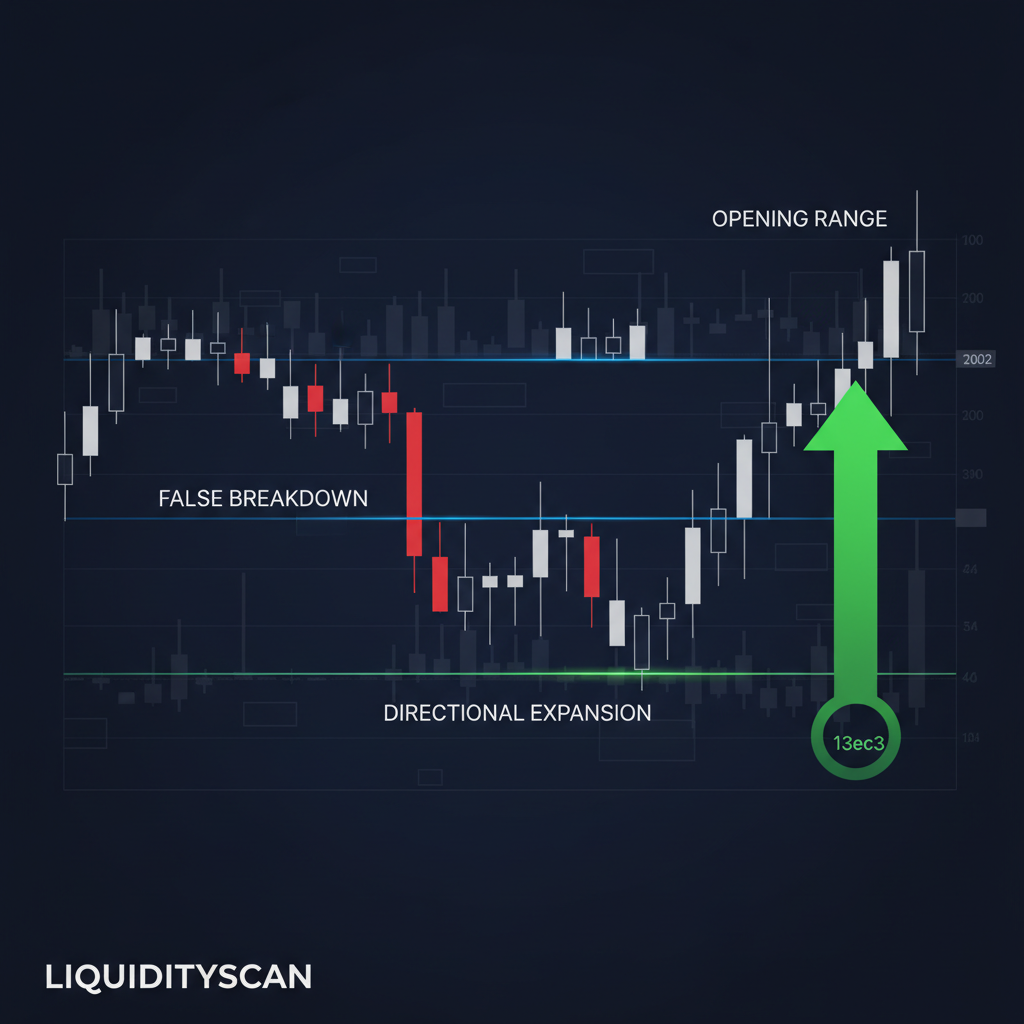
ICT Power of 3 (PO3): The AMD Cycle Explained
The Power of 3 (PO3) breaks every candle into accumulation, manipulation and distribution — the AMD rhythm that reveals where smart money moves next.
Hayk Muradian·
·5 min

ICT 2022 Model vs 2024 Model: Key Differences
The ICT 2024 model refines the 2022 framework with time-based macros and new points of interest. Here is how they differ and when to use each.
Hayk Muradian·
·5 min
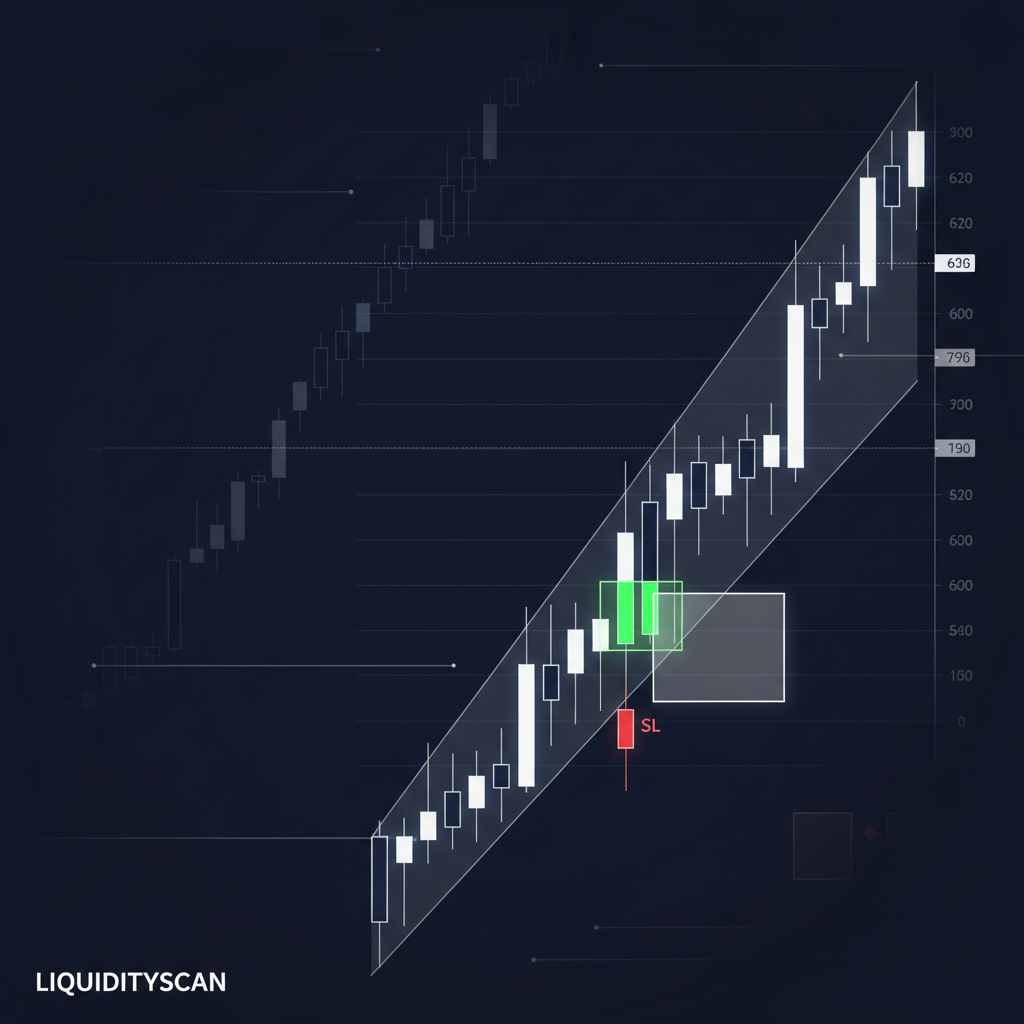
OTE Explained: The ICT Optimal Trade Entry Zone
Optimal Trade Entry is the ICT retracement zone between the 62% and 79% Fibonacci levels. Here is why price seeks it and how to use it.
Hayk Muradian·
·4 min

Liquidity Sweep Explained: The ICT Stop Hunt
A liquidity sweep is how institutions run resting stop orders at obvious highs and lows, then reverse. Here is how to spot a valid one.
Hayk Muradian·
·5 min
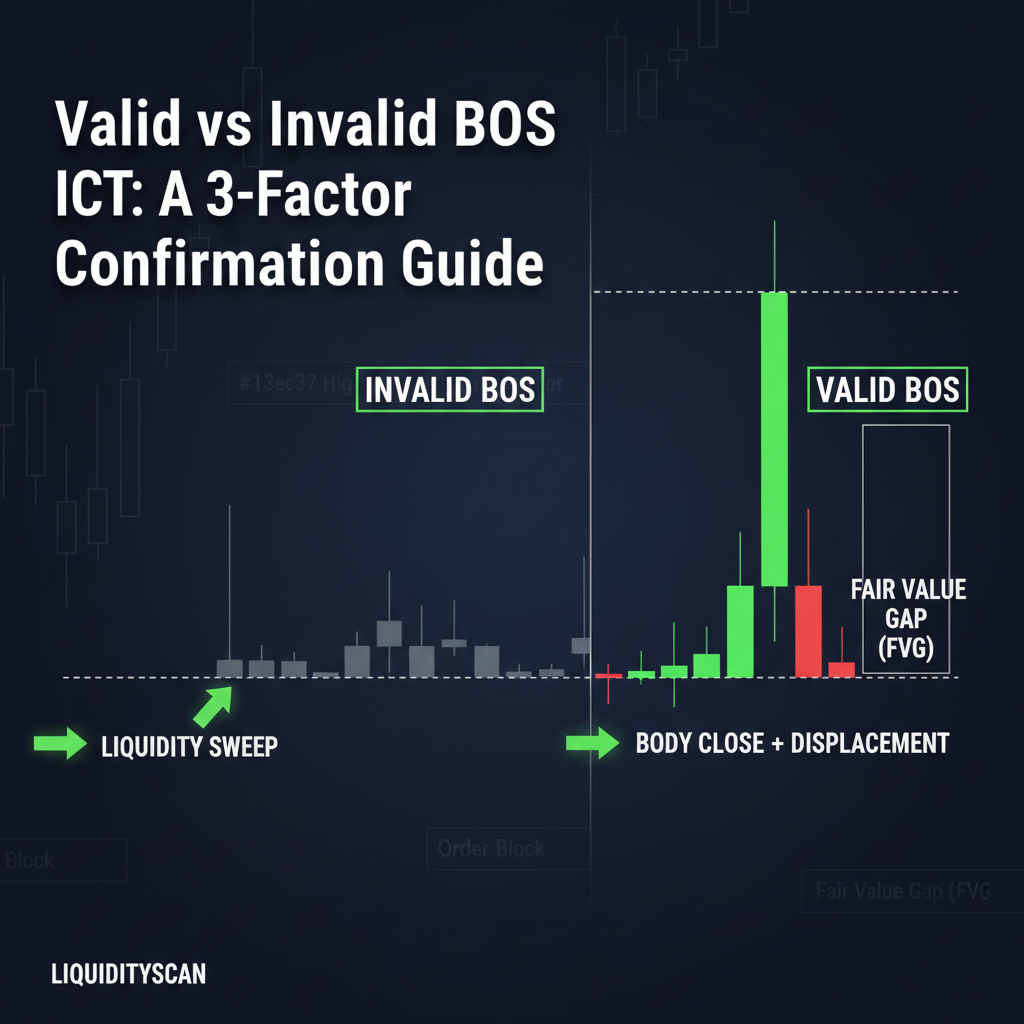
Valid vs Invalid BOS ICT: A 3-Factor Confirmation Guide
A valid Break of Structure (BOS) is confirmed by a candle body closing beyond a structural high or low with displacement. An invalid BOS is a wick-only sweep that fails to generate a subsequent Fair Value Gap.
Hayk Muradian·
·9 min
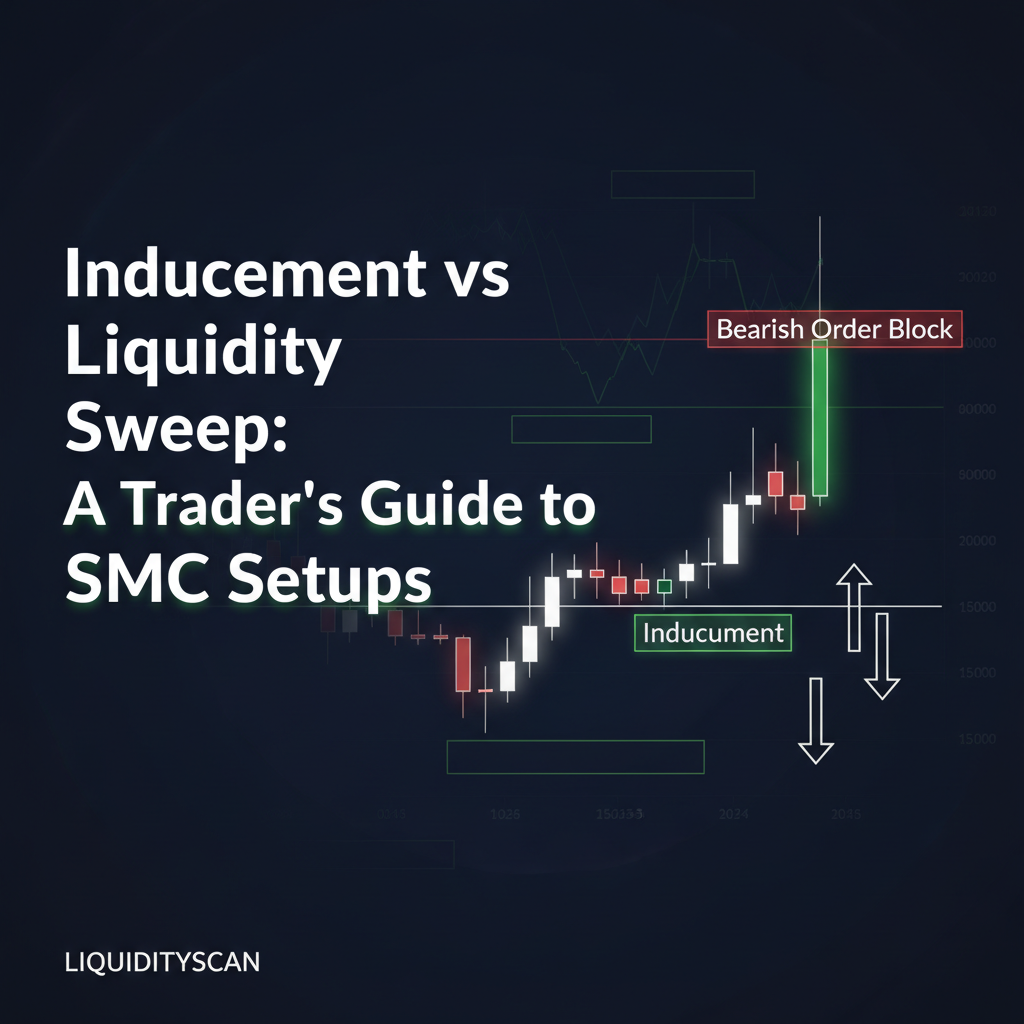
Inducement vs Liquidity Sweep: A Trader's Guide to SMC Setups
In Smart Money Concepts (SMC), inducement is a small, often obvious price structure designed to bait retail traders into premature positions, thereby engineering liquidity. A liquidity sweep is the subsequent, sharp price move that targets and captures this engineered liquidity by running the stops
Hayk Muradian·
·7 min
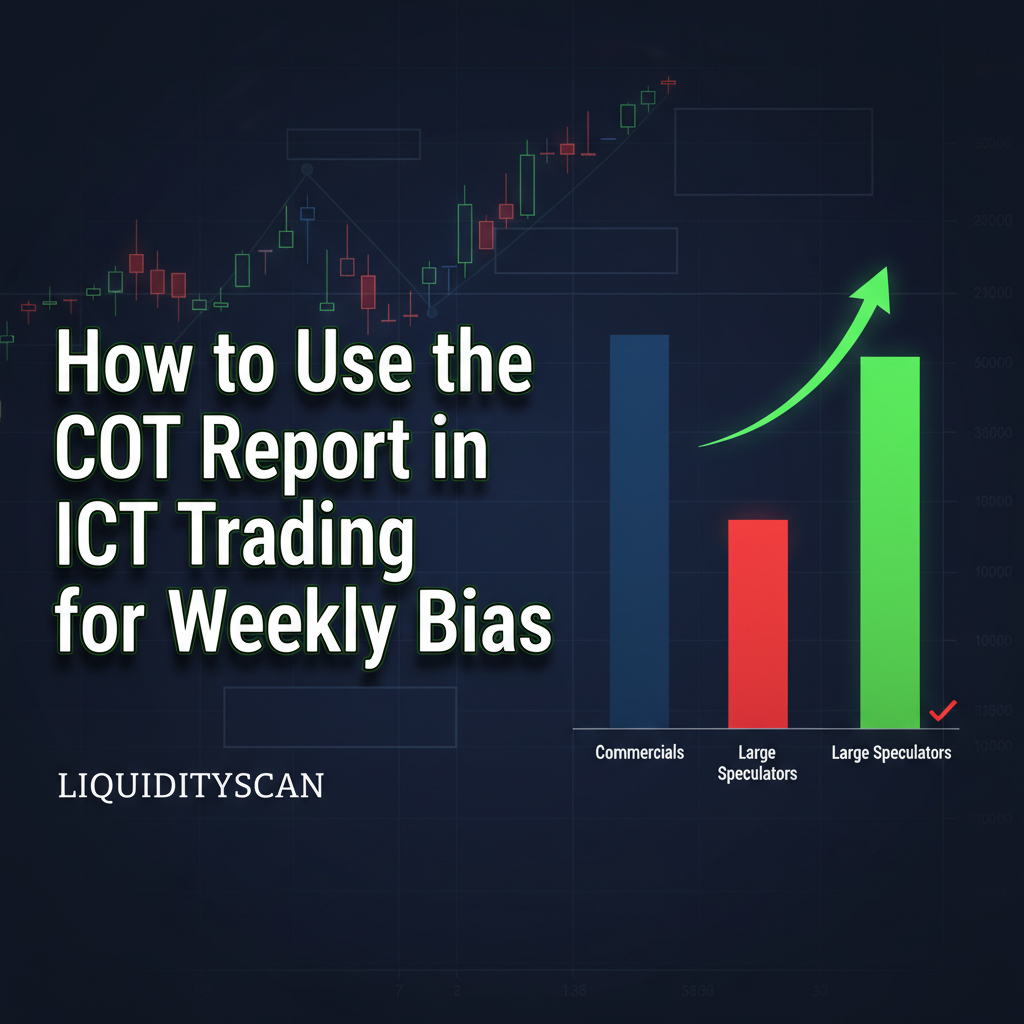
How to Use the COT Report in ICT Trading for Weekly Bias
ICT traders use the Commitment of Traders (COT) report to establish a high-timeframe weekly bias by analyzing the net positions of Commercials and Large Speculators, aligning this institutional sentiment with prevailing market structure to anticipate the week's likely expansion direction.
Hayk Muradian·
·8 min
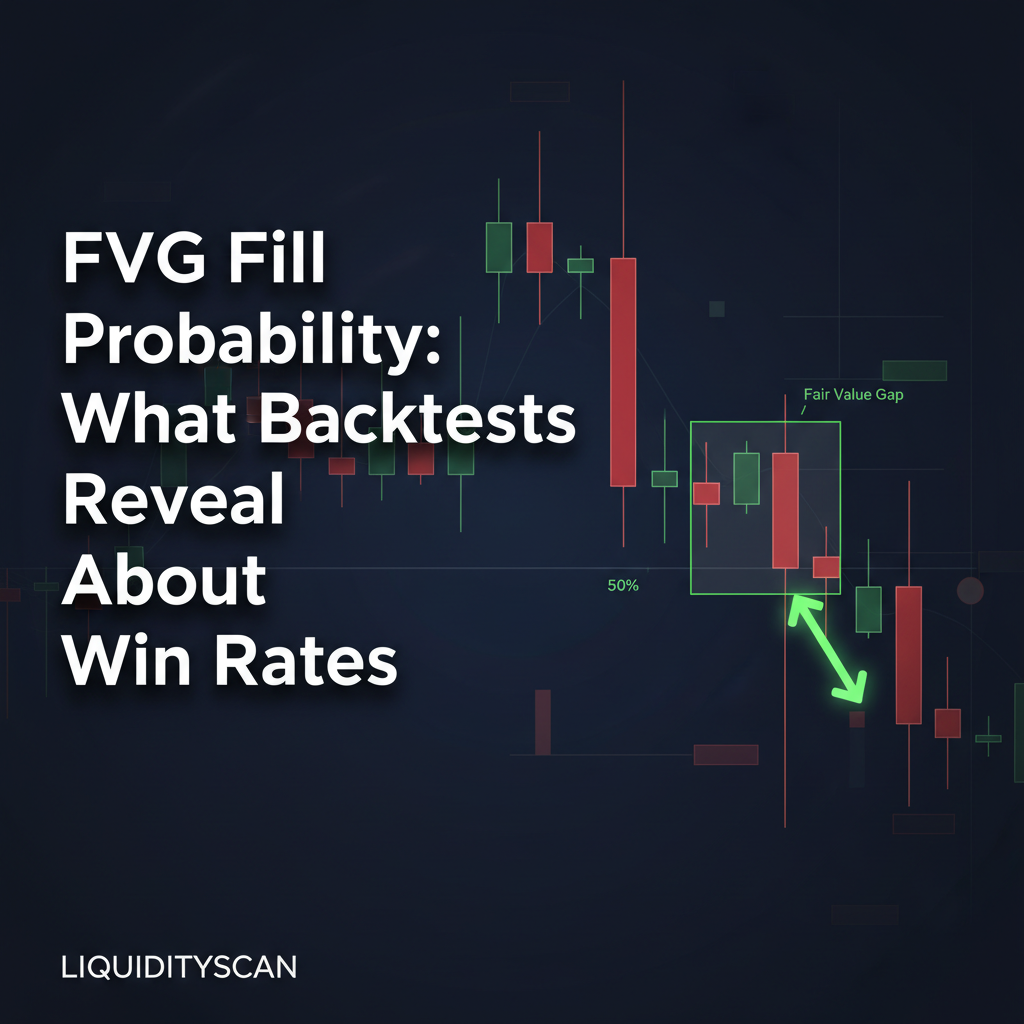
FVG Fill Probability: What Backtests Reveal About Win Rates
The fill probability of a Fair Value Gap (FVG) isn't fixed. Backtests show it's typically 40% to 60% for high-confluence setups, depending on market structure, timeframe, and liquidity.
Hayk Muradian·
·7 min

ICT Price Action vs. Footprint Charts: A Trader's Guide
ICT reads the imprint institutions leave on price; footprint charts show the raw execution behind it. Here is how intermediate traders combine both.
Hayk Muradian·
·6 min
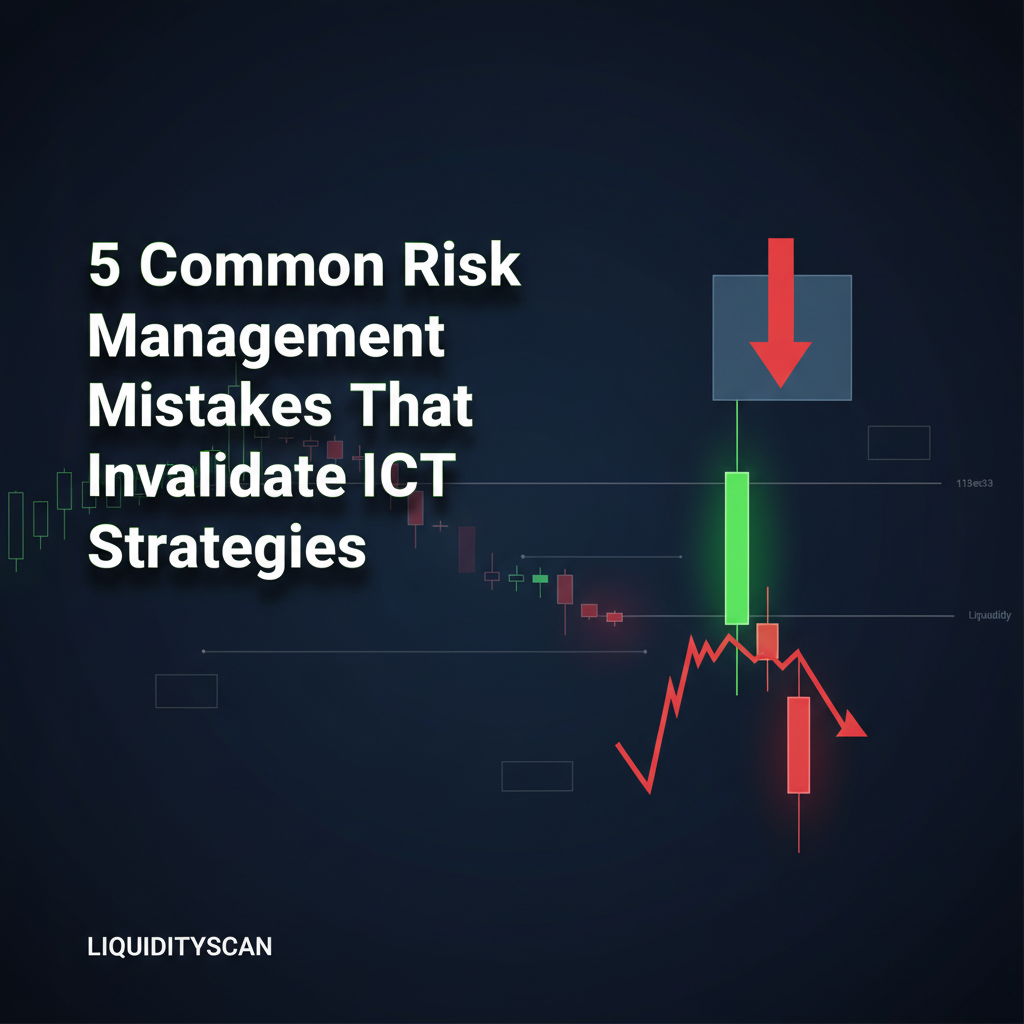
5 Common Risk Management Mistakes That Invalidate ICT Strategies
Your ICT analysis can be flawless and still lose money. These five risk management mistakes break the logic of valid setups before the move even starts.
Hayk Muradian·
·7 min

How to Build a Complete ICT Trading Model (Step-by-Step)
A step-by-step framework for turning ICT concepts into one repeatable, backtestable trading model — bias, liquidity, entry, risk, and review.
Hayk Muradian·
·8 min
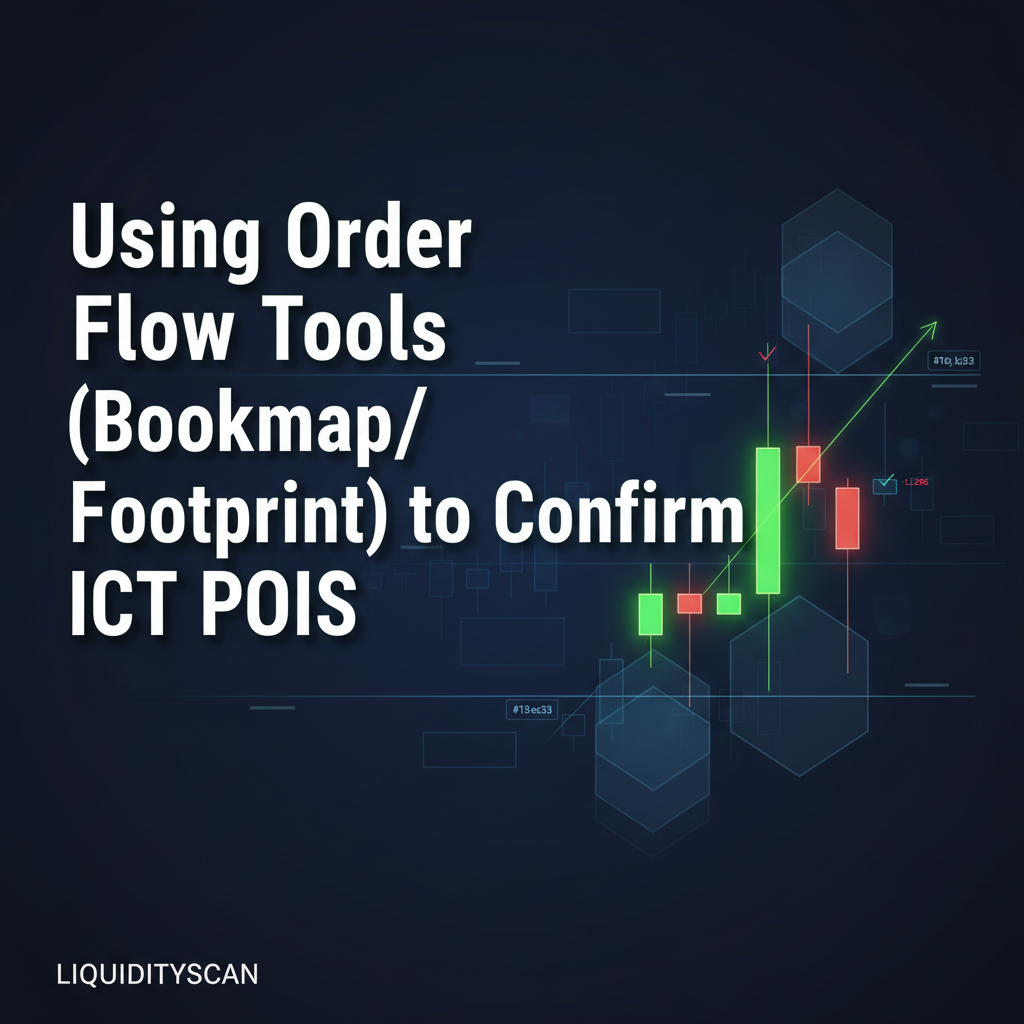
Using Order Flow Tools (Bookmap/Footprint) to Confirm ICT POIs
ICT structure tells you where price should react; order flow tells you when institutions are actually defending the level. Here is the confluence-stacking workflow to validate your POIs with Bookmap and footprint charts.
Hayk Muradian·
·7 min
How to Use CFTC Data to Establish a Weekly ICT Bias
A step-by-step guide to turning the weekly CFTC Commitment of Traders report into a directional ICT bias — and why you still need a real-time read of order flow.
Hayk Muradian·
·6 min

Change of Character (CHoCH): Spotting Early Reversals
A Change of Character is the first structural clue that institutional order flow is reversing. Here is how to identify it, separate it from a BOS, and trade it.
Hayk Muradian·
·5 min
Buy-Side vs Sell-Side Liquidity (BSL/SSL) Identification
A step-by-step framework for intermediate SMC traders to precisely identify and chart buy-side and sell-side liquidity — and tell high-probability targets from simple structure.
Hayk Muradian·
·6 min

ICT Risk Management Framework
A multi-layered, institutional-grade system for capital preservation in ICT and SMC trading, from per-trade risk to weekly account exposure.
Hayk Muradian·
·5 min
ICT Weekly Profiles Explained: Daily Behavioral Templates
A concise, institutional-grade definition of ICT Weekly Profiles — the day-by-day behavioral template intermediate traders use to anchor directional bias.
Hayk Muradian·
·5 min

Silver Bullet Strategy: Complete Checklist & Examples
A step-by-step, executable checklist for the ICT Silver Bullet model — the precise time window, sweep, displacement and FVG entry that define a valid setup.
Hayk Muradian·
·7 min
Step-by-Step Entry Criteria for the 2024 Model
A strict, procedural execution manual for the ICT 2024 Model — the precise sequence of time, liquidity sweep, market structure shift, and fair value gap entry that defines a valid trade.
Hayk Muradian·
·6 min

Daily/Weekly Bias Determination & Trade Journaling
Treat bias as a testable hypothesis, not a one-time prediction. Here is a repeatable framework to determine your daily and weekly ICT bias — and journal it so the market corrects you.
Hayk Muradian·
·6 min
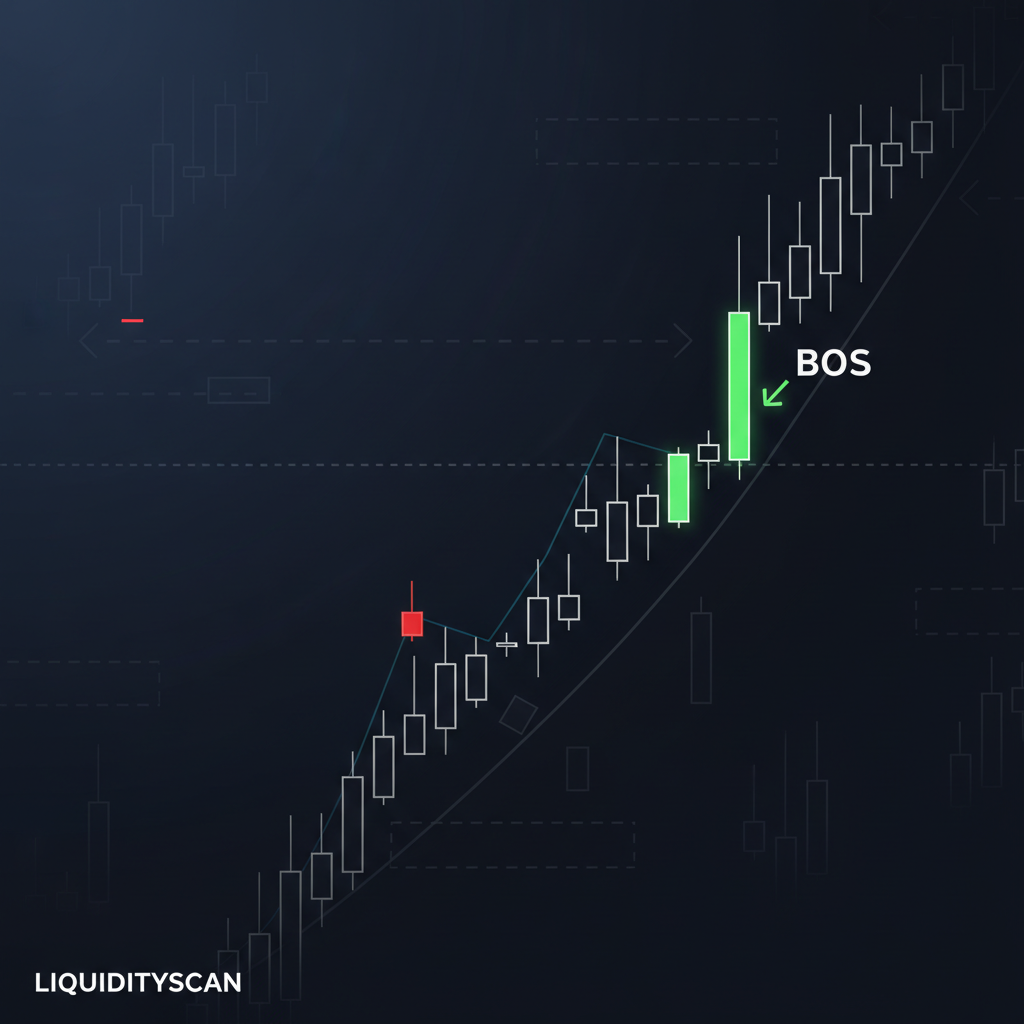
What is a Break of Structure (BOS)?
A Break of Structure (BOS) is a core Smart Money Concept (SMC) that confirms the continuation of the current market trend. It occurs when price decisively breaks and closes with a full candle body beyond a prior structural point—a swing high in an uptrend or a swing low in a downtrend.
Hayk Muradian·
·6 min
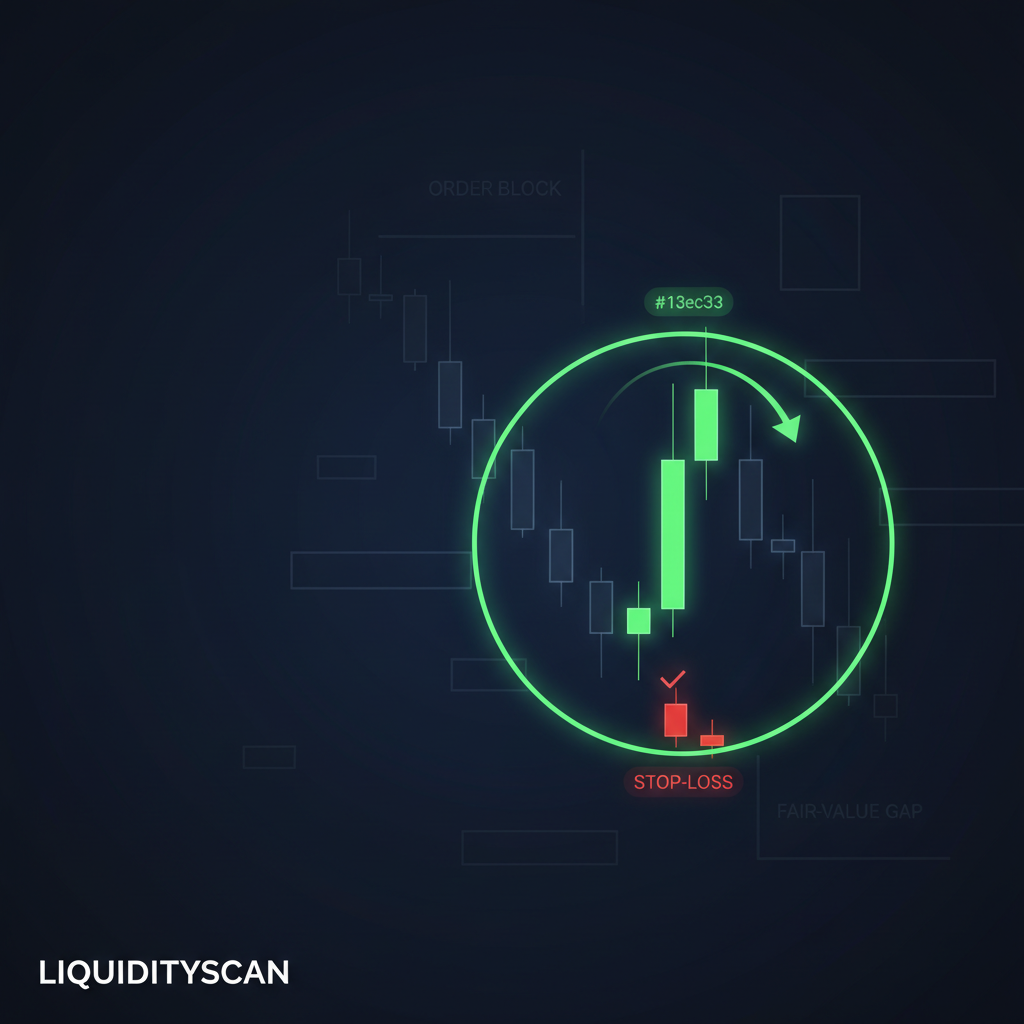
What Is CISD in ICT Trading? (Change in Delivery)
CISD — Change in State of Delivery — is the candle-close-confirmed flip in the direction price is being delivered. Here's how to spot a bullish or bearish CISD, grade it with displacement, and trade the shift after a liquidity sweep.
Hayk Muradian·
·12 min

The Definitive Guide to ICT Trading (Inner Circle Trader)
The Definitive Guide to ICT Trading (Inner Circle Trader)
Hayk Muradian·
·21 min

Is ICT Trading Real? A Skeptic's Guide to Smart Money
ICT trading isn't a signal service; it's a complete paradigm for reading algorithmic price delivery. This guide moves beyond YouTube hype to build a professional framework.
Hayk Muradian·
·23 min
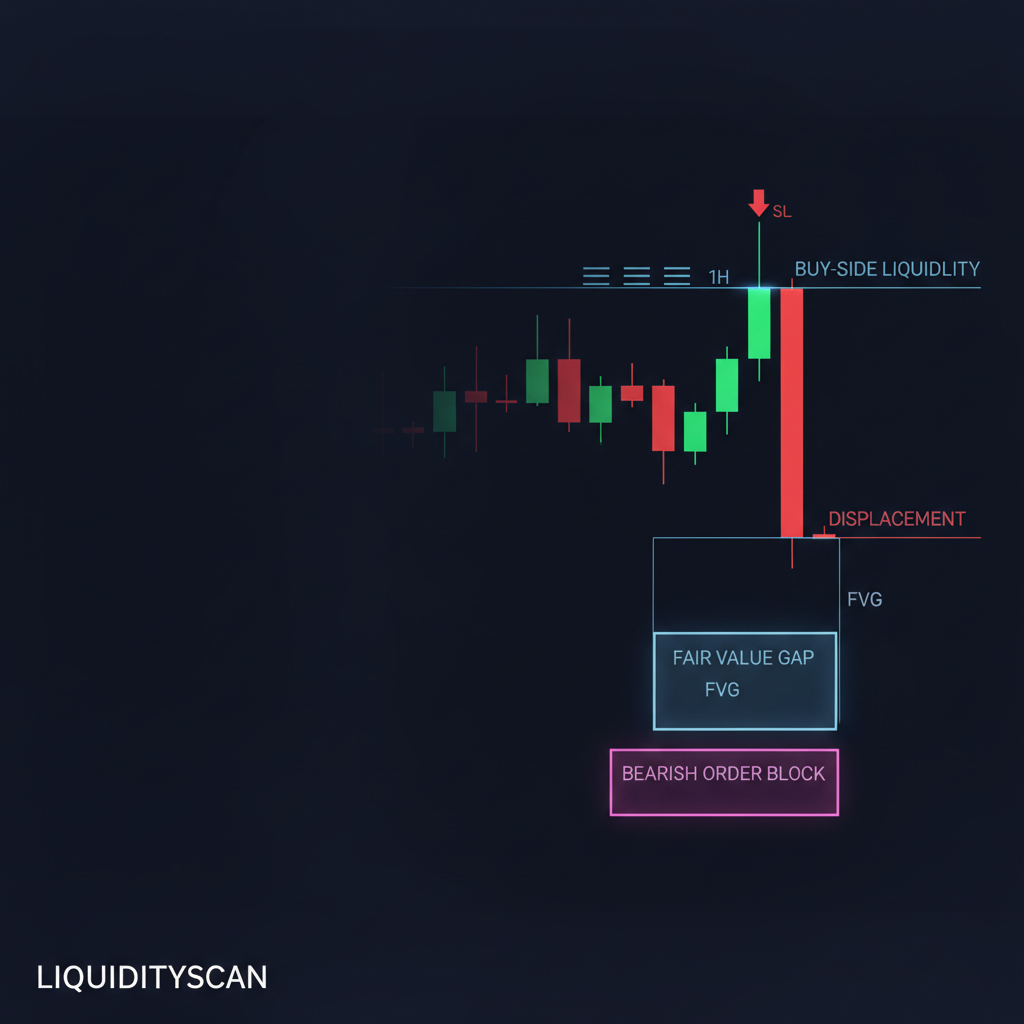
What Are Smart Money Concepts? A Trader's Guide to Order Flow
Smart Money Concepts (SMC) are not a strategy, but a paradigm for reading price. It's a framework built on the premise that markets are driven by institutional algorithms seeking liquidity.
Hayk Muradian·
·4 min
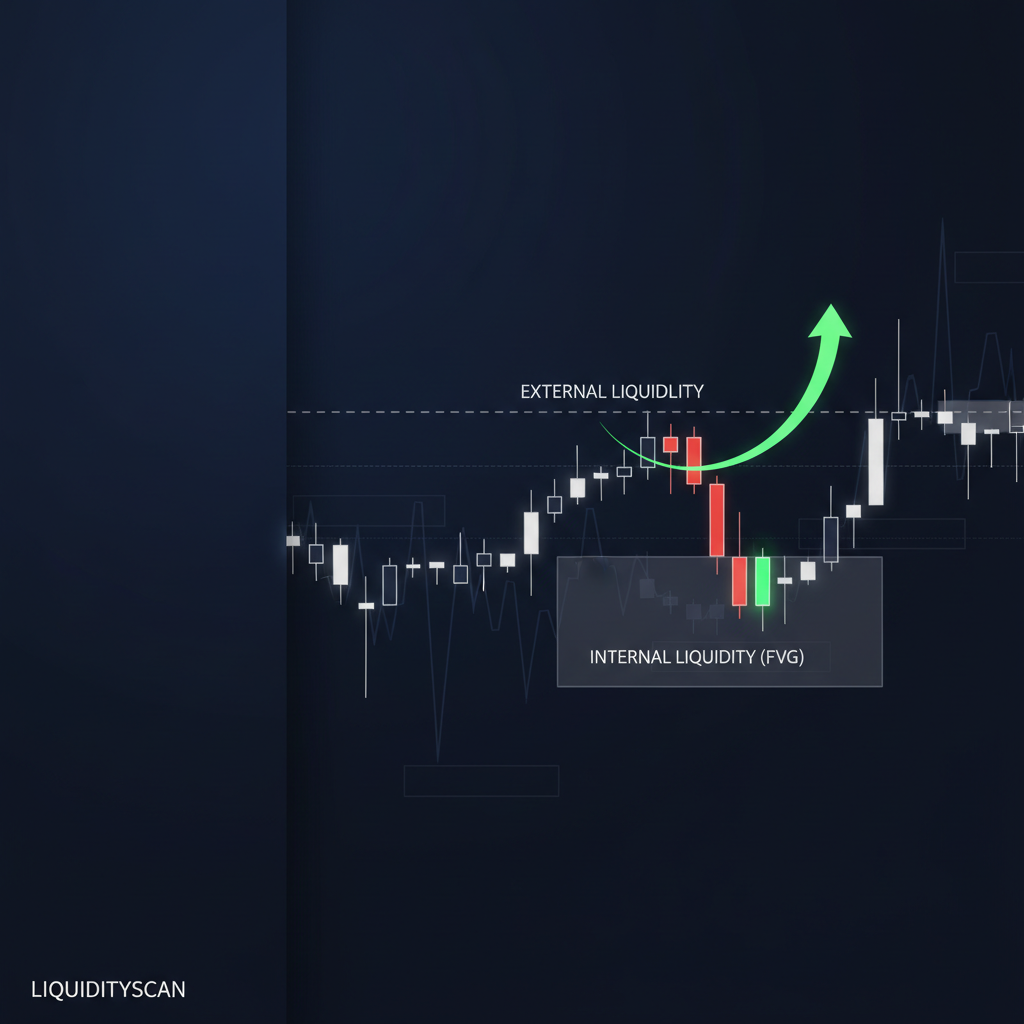
Internal vs External Liquidity: An SMC Trader's Guide
External liquidity is the target (old highs/lows). Internal liquidity is the reason for a pullback (FVGs, order blocks). Understanding the interplay between them is the key to reading the market's narrative and framing high-probability SMC trades.
Hayk Muradian·
·6 min
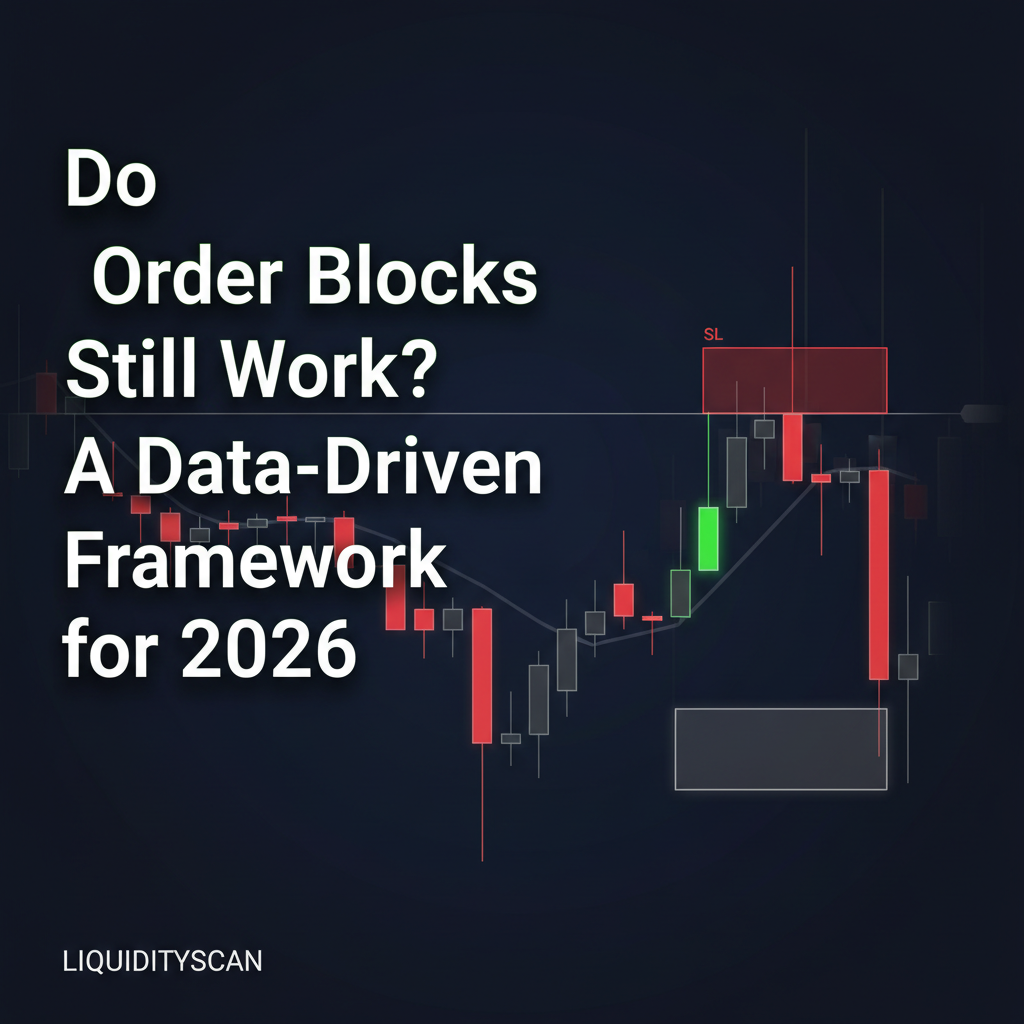
Do Order Blocks Still Work? A Data-Driven Framework for 2026
Yes, order blocks still work. But the question itself is flawed. Isolated patterns fail constantly. Success depends on a rigorous framework of context: liquidity sweeps, displacement, and higher-timeframe narrative. Here's how to qualify them.
Hayk Muradian·
·6 min

What is LiquidityScan?
LiquidityScan is a trading intelligence platform built for professional ICT and Smart Money Concepts traders. It automates the detection of institutional order flow patterns across hundreds of markets, providing data-driven context for discretionary decision-making.
Hayk Muradian·
·4 min
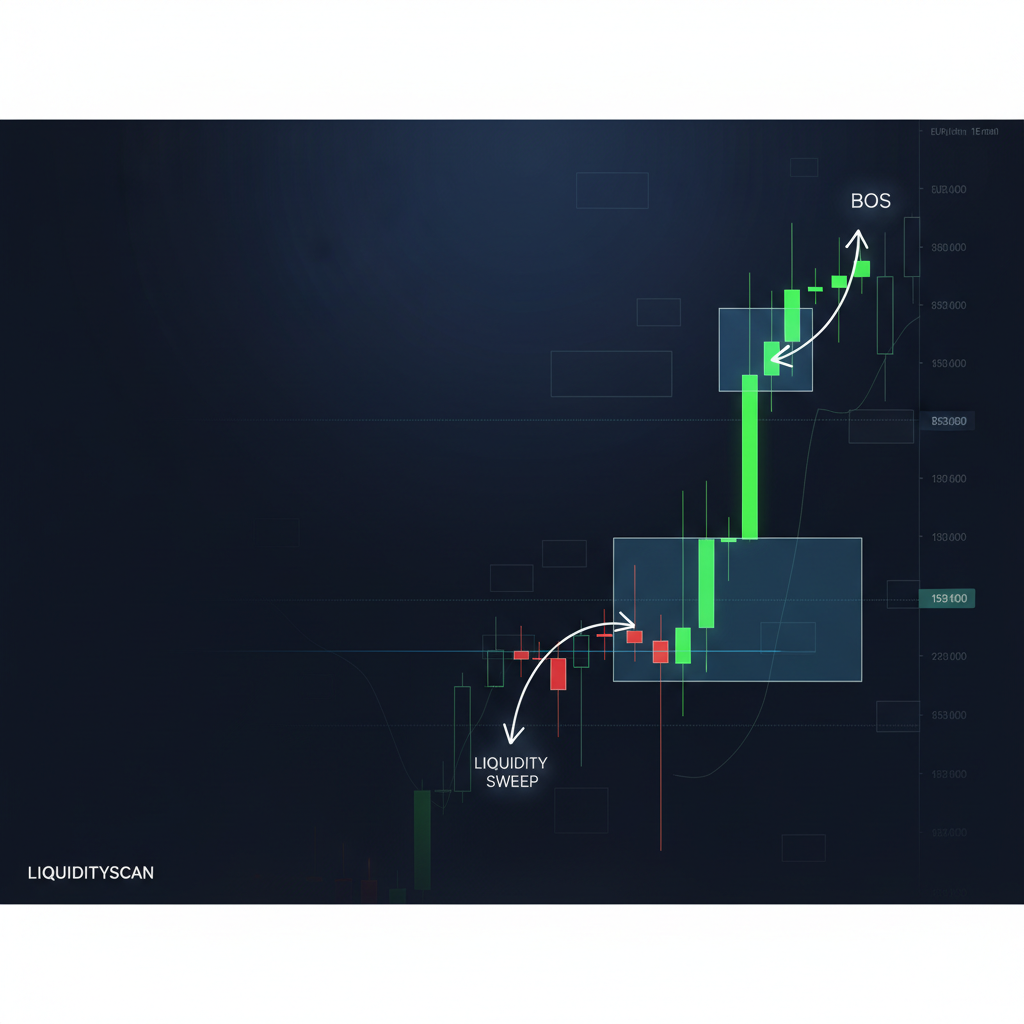
Judas Swing vs Turtle Soup: An ICT Trader's Guide
The Judas Swing isn't a competitor to the Turtle Soup; it's the engine that powers it. This institutional guide breaks down how the time-based session open manipulation (Judas Swing) sets up the classic price-based reversal entry model (Turtle Soup).
Hayk Muradian·
·6 min
Not trading advice. LiquidityScan publishes educational content for informational purposes only. Trading involves substantial risk of loss.